
The streets of Metro Manila, the Philippines, are bustling with life. Street vendors push their carts along the concrete, calling out their goods and price. Children rush past, chasing each other. Teenagers gather around street corners, chatting, texting, joking.
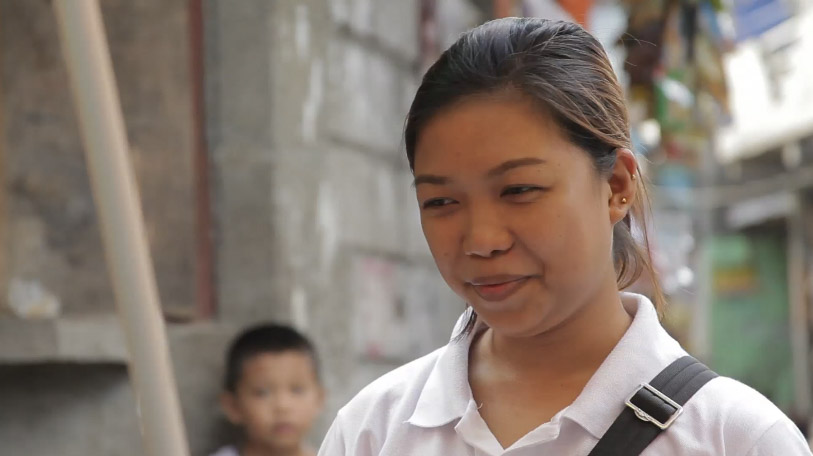
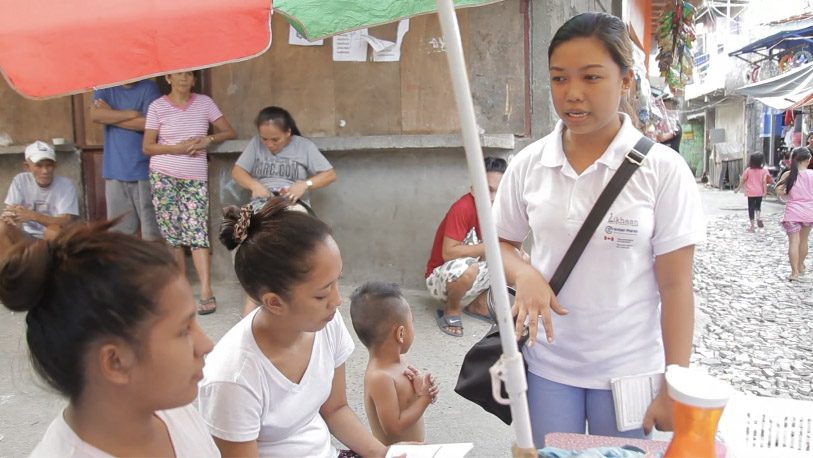
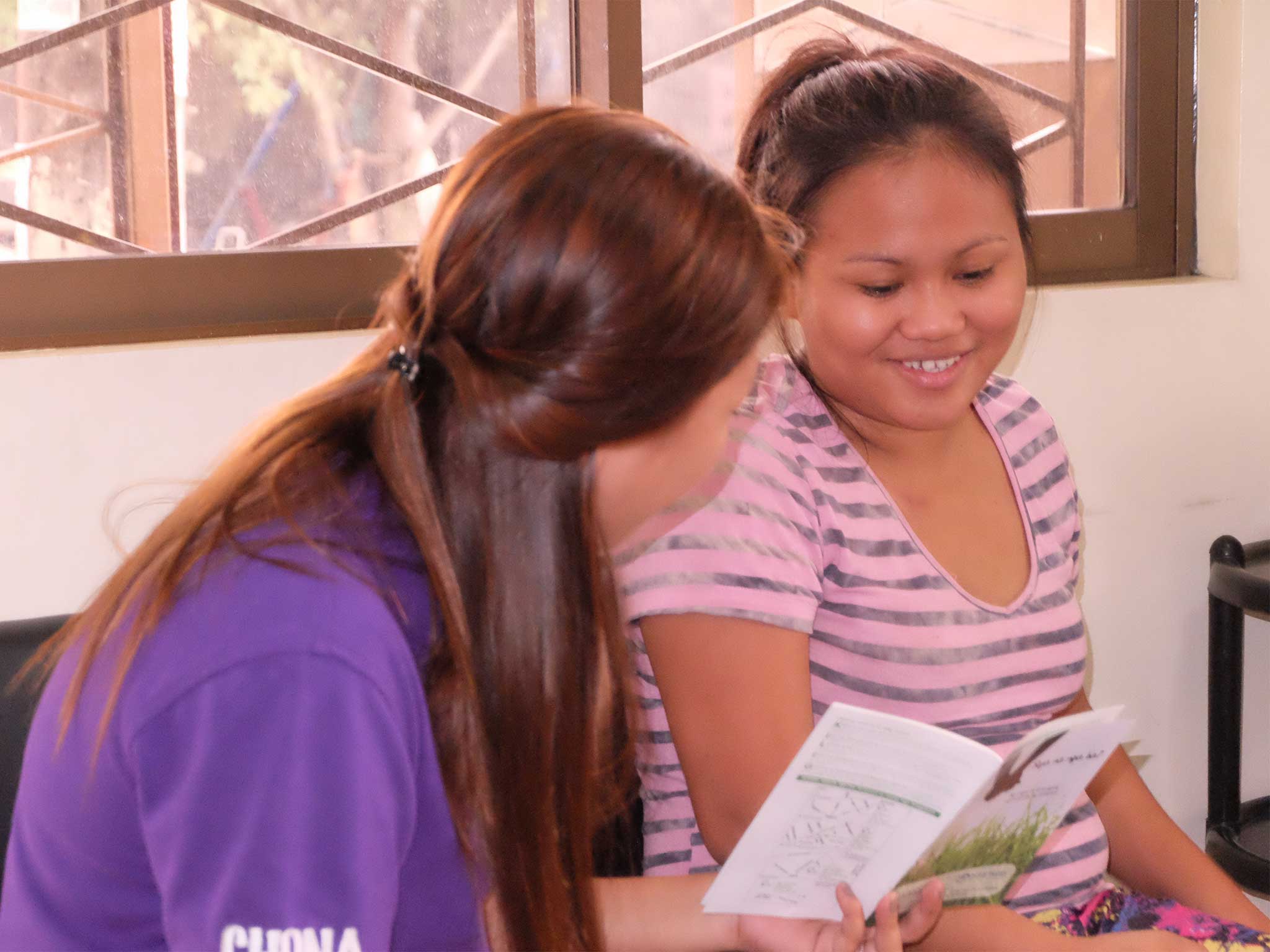
Chonalyn Deiparine, a Youth Mobilizer with Likhaan Center for Women’s Health, is spending her time today walking these streets. Chonalyn carries with her brochures about contraceptives, sexually transmitted infections, and family planning. She stops to chat with teenagers on the street.
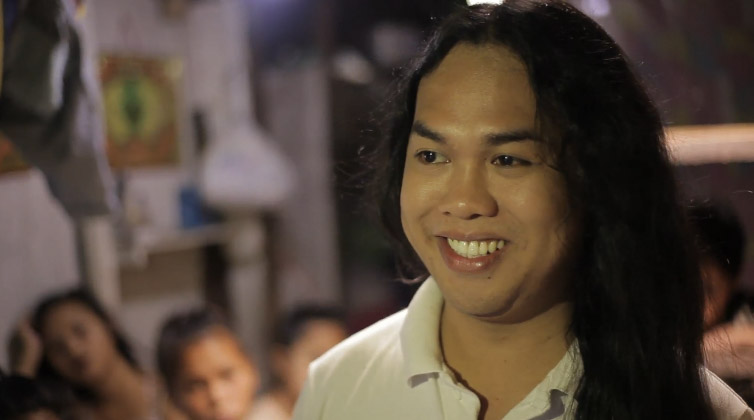
Mark Abellon sets up benches in a small living room in Metro Manila. He knows this area well; he grew up in a marginalized neighbourhood like this one. As a child, he would watch Likhaan’s Community Health Mobilizers move about his community, training women to spread information about reproductive health. Now, as an adult, Mark is a Youth Mobilizer with Likhaan, doing the same outreach himself that he saw as a child.
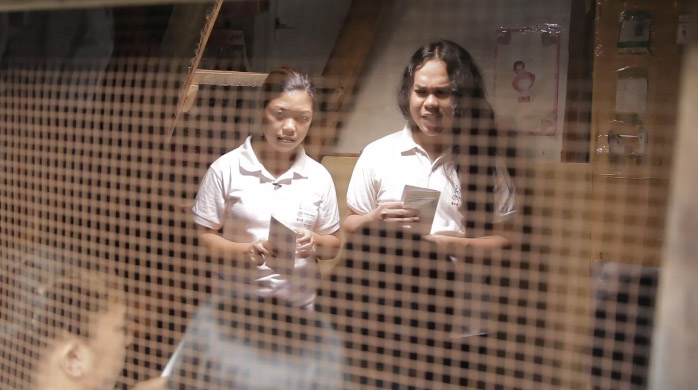
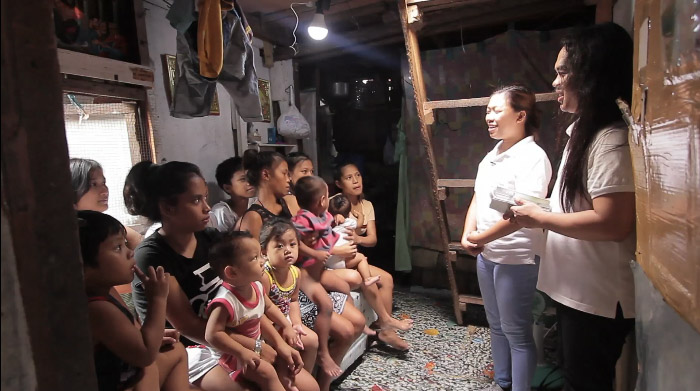
Mark is preparing to co-host a small education session with teenage mothers, together with Chonalyn. They’ve met these young women before, while doing outreach on the streets, and have invited them to come hang out for a while. The women crowd into the space and find a seat. Many bring their young children.
Mark and Chonalyn know that teenagers and young parents are unlikely to visit a clinic for information about reproductive health. So, they bring the information to them.
“Since teenagers don’t go to health centres, we go where they hang out, to their homes, or their communities,” says Mark.
In the Philippines, there are significant barriers that prevent youth from accessing reproductive health information and services. Social stigma, cost and religion are just some of the obstacles young women encounter to have control over their own bodies and their own fertility.
The law also makes it difficult for young people to access services. Teenagers must get permission from their parents to receive contraceptives, even if they are mothers. As a result, rates of teenage pregnancy in the Philippines are rising, and maternal and infant mortality rates are among the highest in Asia.
Likhaan believes that all women should be able to decide if and when to have children; that they should be able to bear children safely; and that access to appropriate and relevant information and services on reproductive health and sexuality are key to the health of women and girls. Youth Mobilizers, like Mark and Chonalyn, are part of Likhaan’s comprehensive program to promote health in marginalized areas, alongside community organizing and advocacy.
In The Purple Wave: Health on the Margins, watch how Youth Mobilizers engage young people about reproductive health and well-being in marginalized communities in Manila:
Since 1995 Likhaan has worked in the most marginalized communities in Metro Manila delivering comprehensive sexual and reproductive health care. At the national level Likhaan plays a key role in advocating for improved health systems and policies. Likhaan is known for using alternative, community-based health programs and advocacy to promote women’s reproductive health and well-being.
Inter Pares has been a proud supporter of Likhaan since it was formed.