At Inter Pares, peace has never been a product to deliver.
It’s a process—slow and generational. And the people for whom it matters most must drive that process. Peace building must be locally led.
This belief has been a thread through our solidarity work for five decades.
As threats to democracy grow around the world, this lesson matters more than ever. To mark our 50th anniversary, we’re looking back, not just at what we’ve done, but at how we’ve done it: through long-term, feminist, solidarity-driven partnerships.
Our roots
Peace and democracy have been in our DNA from the start.
We know real change requires working together. So, since our earliest days, we’ve worked alongside people confronting structural inequality, armed conflict and repression.
In 1976, Inter Pares joined a consortium of European civil society organizations to form the Agency for Cooperation and Research in Development (ACORD). ACORD rejected colonial, top-down models of aid, partnering instead with communities on their own terms to exercise their rights and improve livelihoods.
By the late 1990s, ACORD was working on becoming a more African-led network, a transition we supported. Now focused on reconciliation and gender justice in conflict zones including Rwanda, Sudan, Angola and Mali, ACORD combined immediate relief with long-term capacity-building. Inter Pares worked alongside ACORD for 42 years, until its closure in 2018.
“We were part of an international coalition to democratize the aid relationship; to support people to determine their own lives, and to express solidarity, as effectively as we could,” reflects Molly Kane, former Inter Pares staff and former chair of ACORD’s board.
“We didn’t always get it right, but we’ve always been a learning organization. Our values are constant: learning, changing, working with others and exploring new avenues.”
We were part of an international coalition to democratize the aid relationship; to support people to determine their own lives, and to express solidarity, as effectively as we could.
Molly Kane
In 1979, Inter Pares and other international agencies launched Project Counselling Service (PCS) in Latin America. For four decades, PCS supported local organizations working with people uprooted by violence. From Mexico to Chile, PCS centred women in its work with conflict-displaced communities and ensured their voices fed into transitional justice processes. In 2007, PCS became a locally run organization.
PCS’s “counselling” approach with local organizations was rooted in solidarity, combining material support with close accompaniment. It fostered horizontal partnerships built on trust, flexibility and dialogue, recognizing that communities—especially the victims of conflict—had the right to lead their own justice processes. This approach helped partners gain legitimacy in politically polarized and high-risk environments.
In Mexico, we worked with Alianza Cívica, a coalition formed by seven Mexican election monitoring groups in the lead up to the country’s 1994 presidential election. Inter Pares contributed to its organizing across the country, supporting the mobilization of more than 20,000 election observers—including international volunteers like Inter Pares’ Roch Tassé. Those efforts strengthened public confidence in electoral administration and helped legitimize Mexico’s elections during a critical democratic transition.
We listened to, learned from and partnered with people taking on enormous risks for change. We made—and continue to make—connections with counterparts and between our counterparts so people can achieve together what they could not do alone.
Jean Symes
“From the start, we didn’t arrive with ready-made answers. We listened to, learned from and partnered with people taking on enormous risks for change. We made—and continue to make—connections with counterparts and between our counterparts so people can achieve together what they could not do alone,” says Jean Symes, current Inter Pares staff and program manager for Latin America in the late 1990s.
“Such connections bring mutual support, learning, shared resources and collective power, while promoting diversity of experience and ideas, and genuine momentum and durability to our collective action globally.”
That ethos—solidarity, not charity—has anchored our work ever since.
Expanding our reach
In the mid-1990s, we started collaborating with the Burma Relief Centre (BRC), supporting Indigenous-led grassroots groups resisting a violent dictatorship in Burma.
Through BRC, we partnered with the Mae Tao Clinic (MTC), which provides health services to displaced people on the Thailand-Burma border. In 2002, MTC’s founder, Dr. Cynthia Maung, received the prestigious Ramon Magsaysay Award in recognition of her integrity, leadership and humanitarian work.
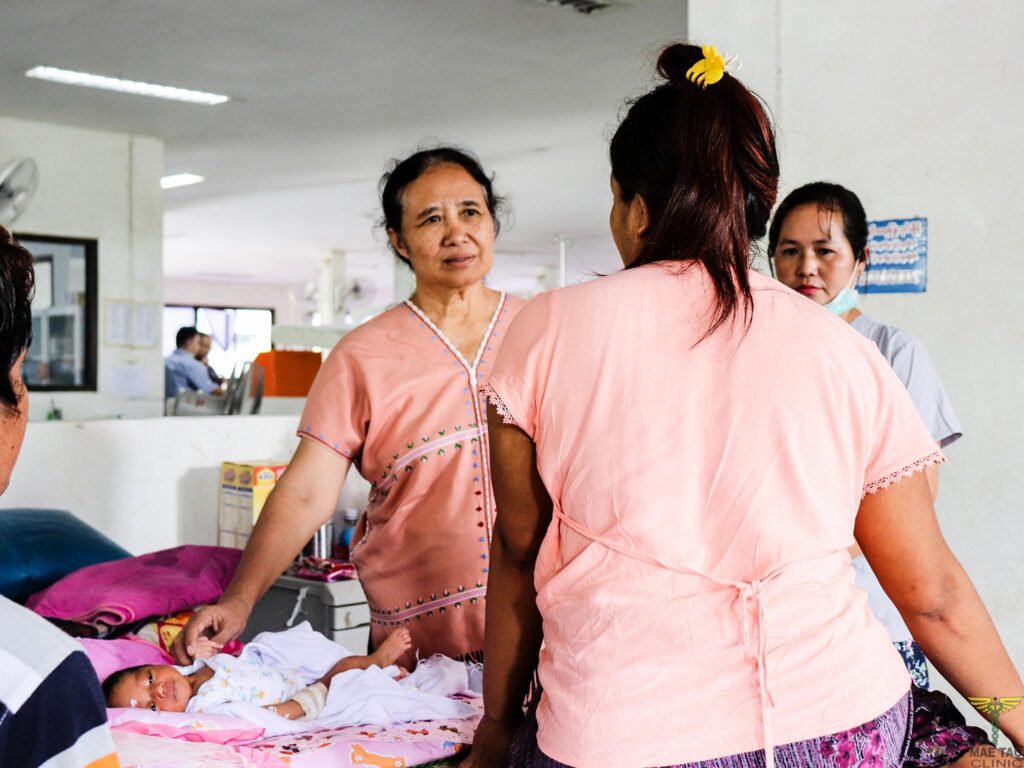
In the early 2000s, we ramped up support for women- and youth-led grassroots organizations in conflict areas—many operating from exile. These organizations documented horrific human rights abuses under the military regime and challenged the narrative that Burma’s crisis was solely about political repression. They published reports on the military’s use of rape as a weapon of war, forcing international recognition of systematic, targeted violence against Indigenous women and girls.
Working with civil society organizations from Indigenous-majority areas in Burma, especially women’s groups, is about amplifying voices that are deliberately silenced.
Nikki Richard
“Working with civil society organizations from Indigenous-majority areas in Burma, especially women’s groups, is about amplifying voices that are deliberately silenced,” says Nikki Richard, a current Inter Pares staff.
Civil war has gripped Burma since the military seized power in 2021. Today, our counterparts fill huge gaps in health care, livelihoods and governance—all while building the foundations of a future federal democracy rooted in Indigenous leadership and human rights.
Those foundations include a health care system. In 2025, we brought Dr. Cynthia and nine other Indigenous health leaders from Burma to Canada for a study tour on our federal health-care system, to help inform their own transition to democratic federalism during a future peacetime.
Their struggle continues, as does our solidarity.
Exchanges
We have always connected people across borders through South-South and South-North exchanges—spaces where movements share strategies and solidarity.
In 2003, we brought together women activists from counterpart organizations in Burma and Guatemala. Both groups had built strong movements in exile in Thailand and Mexico, respectively.
Women also faced the challenge of finding an autonomous voice and resisting male hostility and discrimination.
Rita Morbia
“The Burma-Guatemala women’s exchange was based on the idea that refugee women from Guatemala and Burma have parallel experiences,” says Rita Morbia, current Inter Pares staff and one of the exchange’s coordinators.
“They fled state-sanctioned violence, struggled to survive in exile with access to few supports and recognized the need to organize as women. All women also faced the challenge of finding an autonomous voice and resisting male hostility and discrimination. The main goals of the exchange were to analyse the Guatemalan women’s experience of return and relevant lessons for Burmese refugees, and to build solidarity among the women’s movements.”
In 2008, we joined with PCS to organize an exchange between women from Guatemala, Peru and Colombia to share their struggles for recognition as survivors of sexual violence in conflict. The exchange helped victims’ organizations feel more confident and able to press their governments for justice and reparation on their own terms.
We had similar experiences under colonization, including the banning of cultural practices and Indigenous identity.
Paul Sein Twa
In 2023, we facilitated an exchange in Haida Gwaii, British Columbia, between members of Haida Nation and Indigenous leaders from Burma. Conversations spanned land stewardship and cultural survival under colonization.
“We had similar experiences under colonization, including the banning of cultural practices and Indigenous identity,” reflects Paul Sein Twa of the Karen Environmental and Social Action Network (KESAN), one of our Burma counterparts.
These exchanges have shown us that when struggles are shared across borders, so too are the strategies, courage and hope needed to sustain them.
Today
Today, our counterparts are pushing for peace in places where whole communities—Indigenous groups, women and LGBTQI+ people—have been excluded from decision-making.
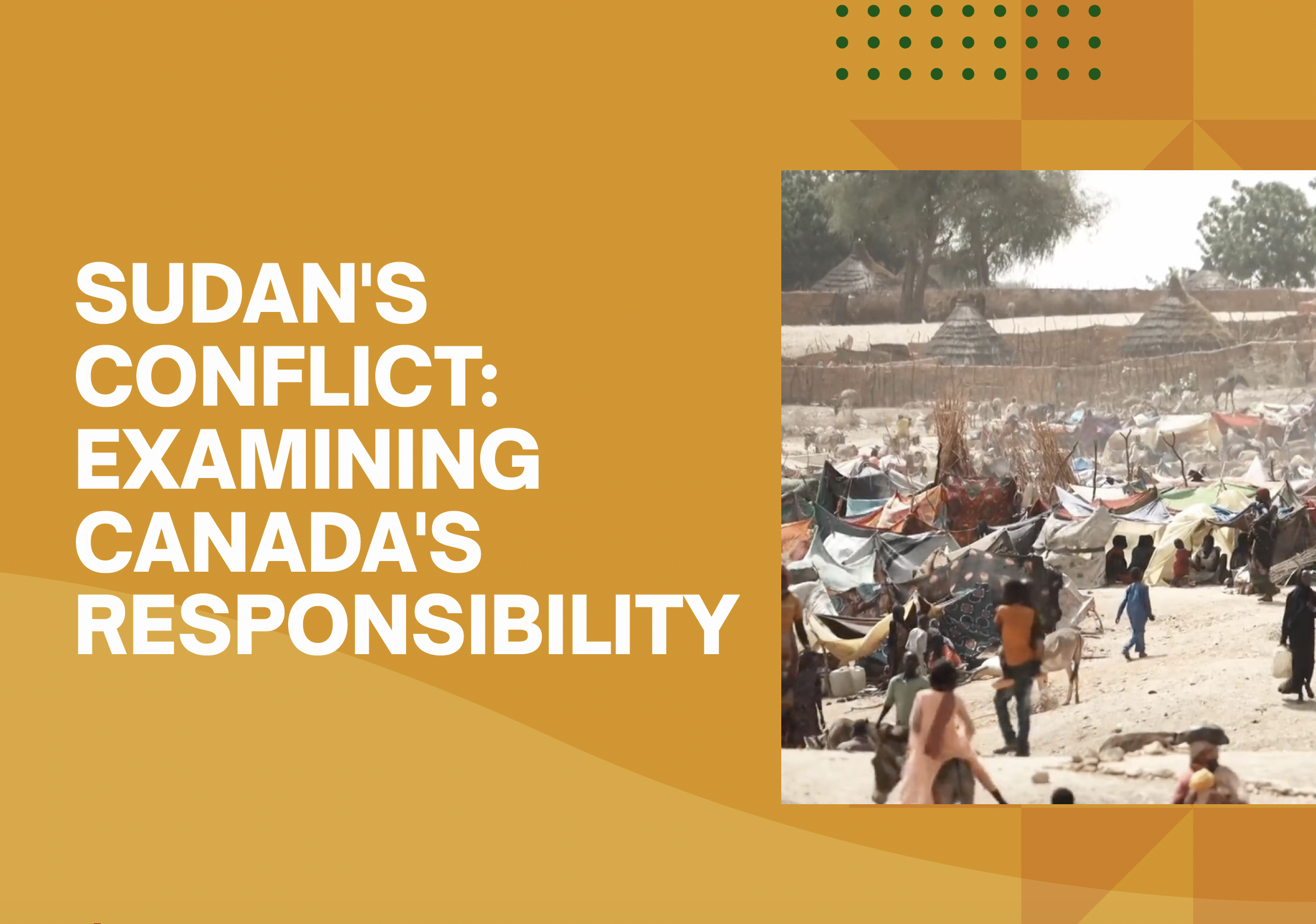
But in Sudan, decades of dictatorship, war and revolution haven’t stopped women’s organizations from leading the call for peace and equality.
Asha El-Karib, an activist from our counterpart the Sudanese Organization for Research and Development (SORD), dreams of “breaking down the many boundaries and barriers—gender, ethnic, class, religious, geographic—that stand in the way of women’s unity and the transformation of society.”
Women have been on the front lines of every major moment in Sudan, from the 2005 peace agreement to the breakout of war in 2023. Since the early 2000s, we’ve been with them through every turn—amplifying advocacy in peace talks, buttressing transitional justice efforts and today, supporting community-led responses to the world’s worst humanitarian crisis.
Our adaptive solidarity with Sudanese women exemplifies our approach: feminist partnerships that endure and evolve through every phase of the struggle.
In Latin America, many organizations we supported through PCS became our direct counterparts when PCS closed in 2018.
In Guatemala, our counterparts helped break the silence on the use of sexual violence during the genocide against Indigenous peoples in the 1980s. Their work contributed to the historic 2013 conviction of former dictator Efraín Ríos Montt, where the court recognized sexual violence as a deliberate tool of genocide.
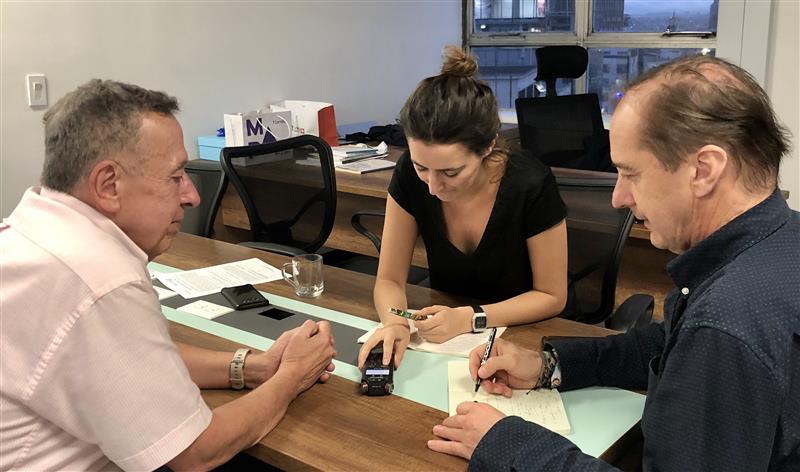
In Colombia, PCS helped lay the groundwork for the country’s 2016 peace accords, after more than 50 years of armed conflict. Today, our partner Colombia Diversa documents how armed groups targeted LGBTQI+ people during the conflict and has made significant contributions to the country’s truth and reconciliation process.
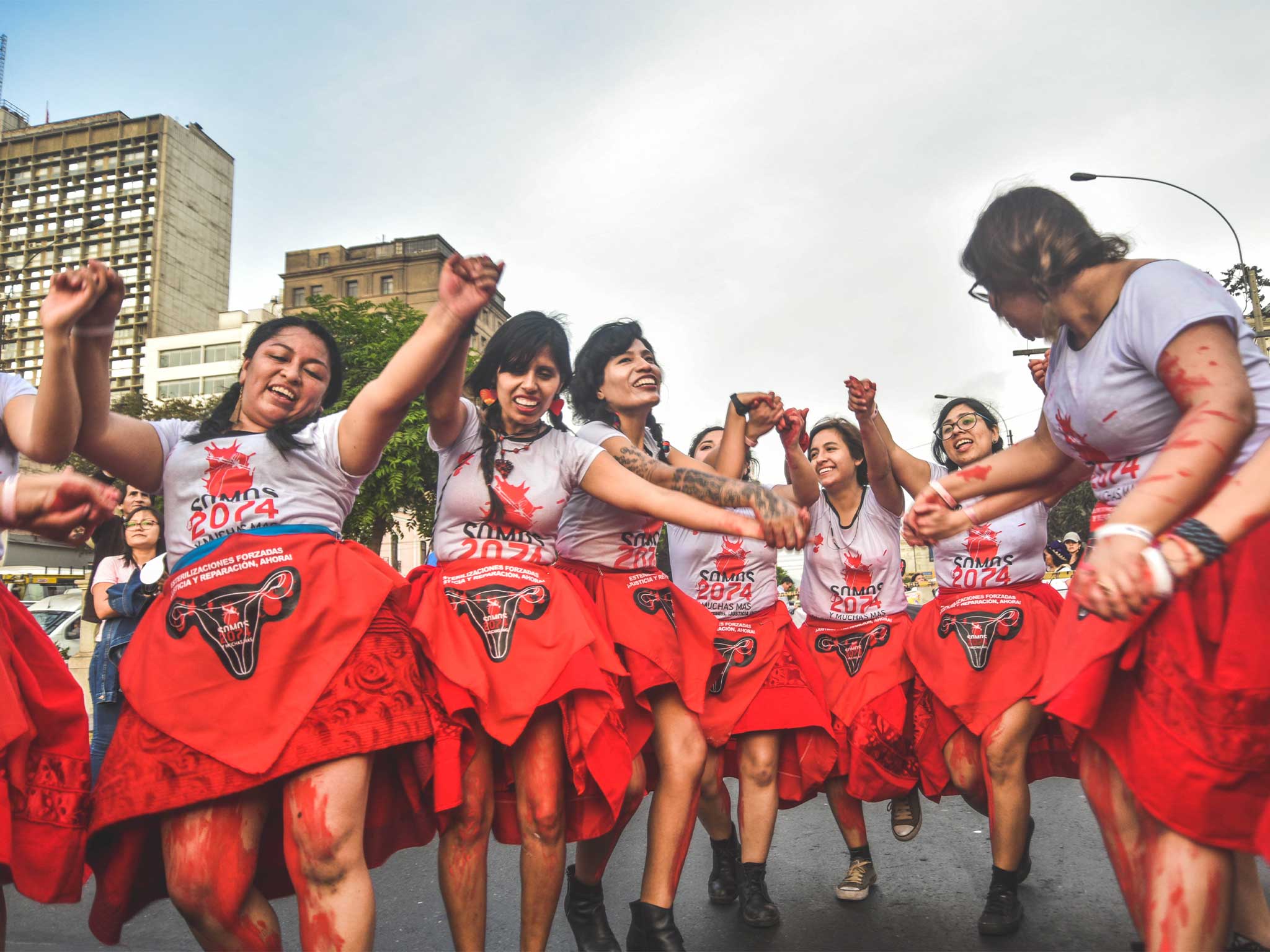
In Peru, we’ve supported Indigenous women survivors of political violence—especially those targeted by the Fujimori dictatorship’s campaign of forced sterilization in the 1990s. Through our longstanding partnership with DEMUS, we’ve helped rural, Indigenous women pursue justice, reparations and collective healing.
These are not short-term projects. They’re the result of decades of mutual trust and shared analysis.
Justice at home
Here in Canada, we also work in partnership and coalition to ensure our government lives up to the values we champion abroad: human rights, democracy and peace.
We’ve urged parliamentarians to press for Canadian leadership in Burma and Sudan. We’ve pushed the government to align Canada’s foreign policy with the priorities of communities most affected by war and repression. We’ve advocated for coordinated and strategic sanctions that hold perpetrators accountable without harming civilians.
Sometimes solidarity means mobilizing the public to hold our government accountable. When a Burmese military general on Canada’s sanctions list hired a Montreal-based lobbying firm, we mobilized thousands of Canadians complain to the RCMP and demand an investigation into this violation of Canadian law. As a result, the contract was cancelled—a clear example of how collective action here can have tangible impacts on global struggles for justice.
We need to keep Sudan, and the ongoing war there, on the political docket.
Amani Khalfan
In 2024, we brought together NGOs, activists and academics to form the Canadian Civil Society Working Group on Sudan.
“We need to keep Sudan, and the ongoing war there, on the political docket,” says Amani Khalfan, current staff and co-chair of the working group.
“Together, we press the Canadian government to increase humanitarian and development support, expand pathways for resettlement of Sudanese refugees, and listen to Sudanese civil society leaders about what meaningful international solidarity should look like.”
Advocacy at home is not separate from our international solidarity—it is an essential part of it. Whether mobilizing citizens, building coalitions or pressing for principled foreign policy, we know that the fight for justice abroad is inseparable from the struggle for democracy and human rights here at home.
Staying true to our roots
Peace building doesn’t end when the fighting stops. It is the daily work of sustaining hope in war zones, fragile democracies and the slow rebuilding of communities.
In a world where democracy is increasingly under threat, our counterparts remind us what’s possible. Together, we’re not just supporting peace processes—we’re co-creating a future rooted in dignity, agency and justice.
Over 50 years, we have learned peace is cultivated through local feminist movements, global solidarity and long-term partnerships. From Indigenous resistance in Burma to bold women-led organizing in Sudan, our partners show us that peace isn’t a moment. It’s a practice.
AS FEATURED IN
Rooted in Solidarity: Reflecting on 50 years
Rooted in Solidarity: Reflecting on 50 years is a collection of memories celebrating our counterparts and allies and the struggles we wage together.
Related news and stories