


September 4, 2026
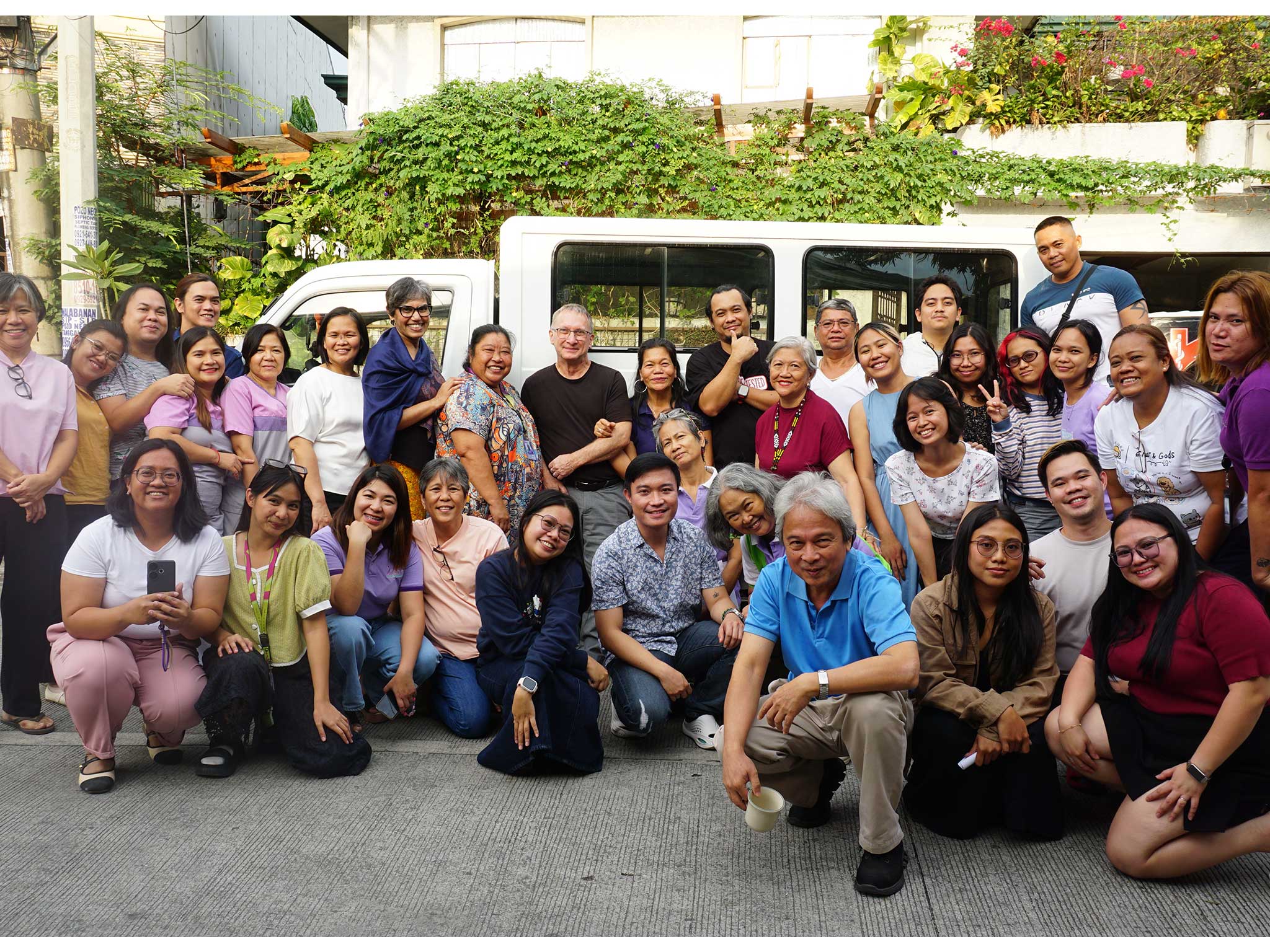
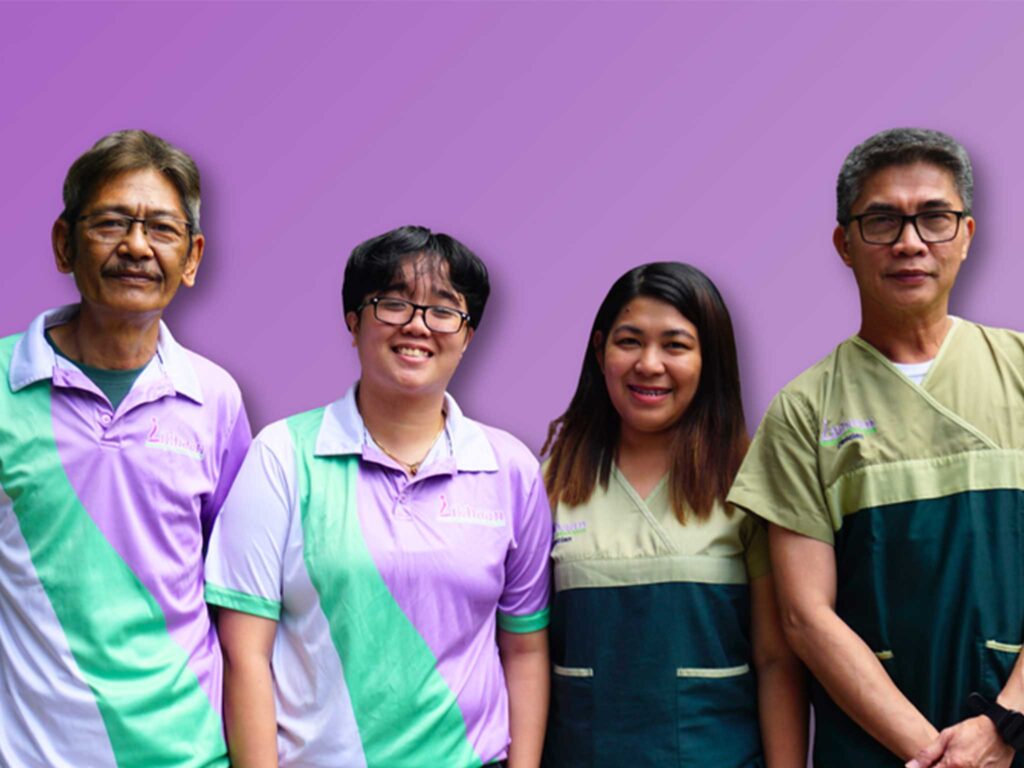
Likhaan staff stand together with Inter Pares program managers Rita Morbia and David Bruer (back row, centre).
Photo: Photo: Likhaan
From the beginning, the founders wanted to offer a different kind of health care in impoverished areas: one rooted in community, with an emphasis on women’s health.
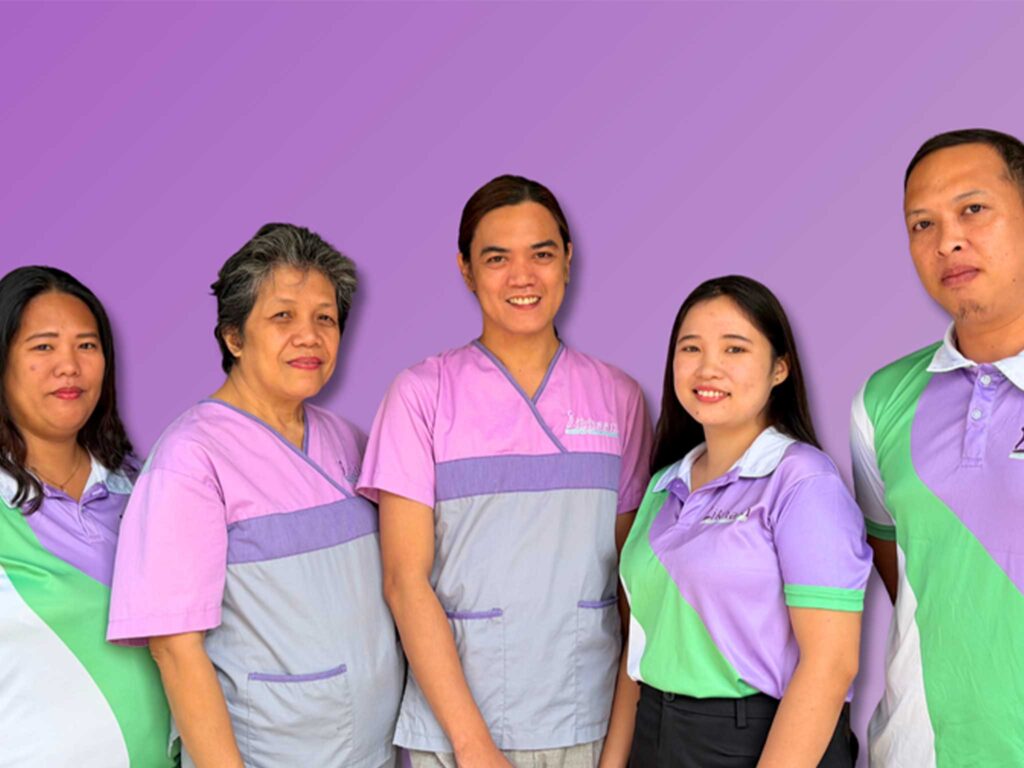
Likhaan’s staff come to the organization in different ways, but they share one important motivation: improving sexual and reproductive health and rights for women, youth and LGBTQI+ folks in the Philippines.
We recently spoke to some of Likhaan’s staff about what brought them to the organization and why they chose to stay. Here is what they shared.
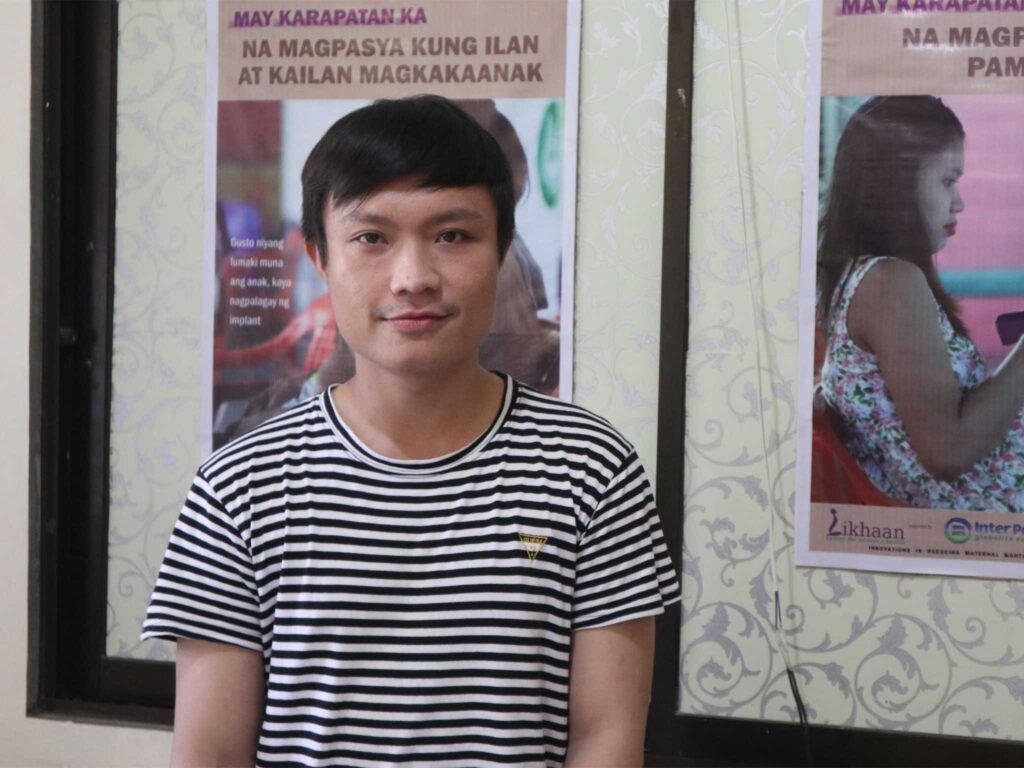
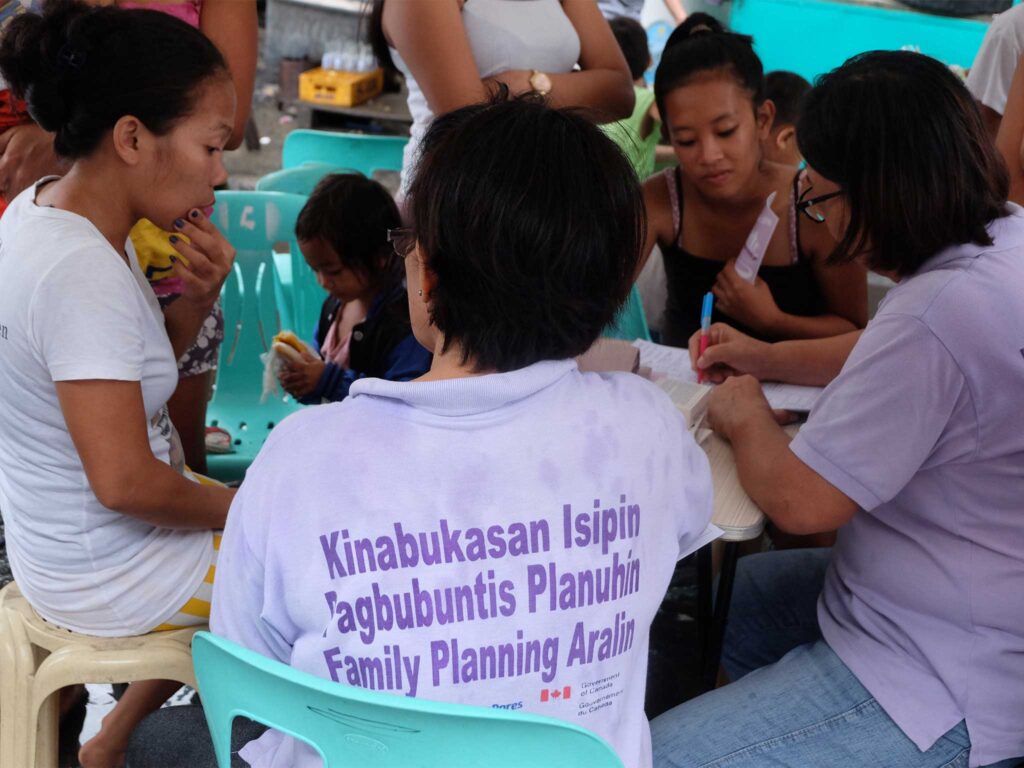
Typhoon Haiyan devastated Eastern Samar, Philippines, in 2013. The needs of the local population were many. Likhaan noticed that despite the abundance of aid relief arriving on the island, women’s sexual and reproductive health (SRH) needs were not being met. Together with Inter Pares, they decided to set up a clinic in East Samar with funding from Global Affairs Canada. Likhaan began searching for clinicians to staff the clinic. They found Michael.
Michael, a nurse, remembers when he met Likhaan. “They were the only organization responding to the SRH needs of women that made the commitment to stay after the crisis subsided,” recalls Michael, “So many NGOs just come for a while and then leave. Likhaan worked with the women. They held sessions to inform them of their rights and helped them organize.”
[Likhaan was] the only organization responding to the SRH needs of women that made the commitment to stay after the crisis subsided.
Michael
Likhaan’s clinic in Eastern Samar is still going strong. And Michael has been with Likhaan now for over ten years. He is seeing the impact that Likhaan’s ongoing presence is having on the community. Women who once attended a learning session with Likhaan are now speaking up for their rights. Many have become community leaders and even talk to their own neighbours and friends about their rights.
“Women begin to believe in themselves and this changes their behaviour,” says Michael, “They have more confidence and more control.”
Private clinics in the Philippines often prioritize profit over the people they serve. Some have been known to illegally charge patients—particularly women—for services that are already covered under the Philippines health insurance program. Many women, particularly impoverished women, have incredibly negative experiences at these clinics.
Celine, a midwife, worked at a private clinic before she came to work with Likhaan. “At government and private clinics,” Celine reflects, “women can be humiliated by medical staff. They sometimes tell women that they only want birth control to have sex outside of marriage. [The staff] make them feel ashamed.”
Celine became increasingly uncomfortable with this unkind approach. She left the private clinic and eventually found Likhaan. There, she discovered a patient-centered approach rooted in compassion and respect. Celine saw Likhaan treat every woman with respect and care, providing them with services and information for free and without judgement. Finally, Celine felt good about her work.
Health care is most impactful when it is rooted in local expertise, community and trust.
Your gift to Inter Pares provides steady support for organizations like Likhaan to take the time they need to set up—and stay—in communities that need care the most.
The Philippines’ Responsible Parenthood and Reproductive Health Act (better known as the RH Law) mandates universal access to comprehensive sexuality education (CSE) in schools, contraception, family planning and maternal care. But powerful religious and conservative groups are blocking CSE curriculum and making it harder for teens to access contraception. In a country where the teen pregnancy rate is a critical public health concern—education and contraception are essential.
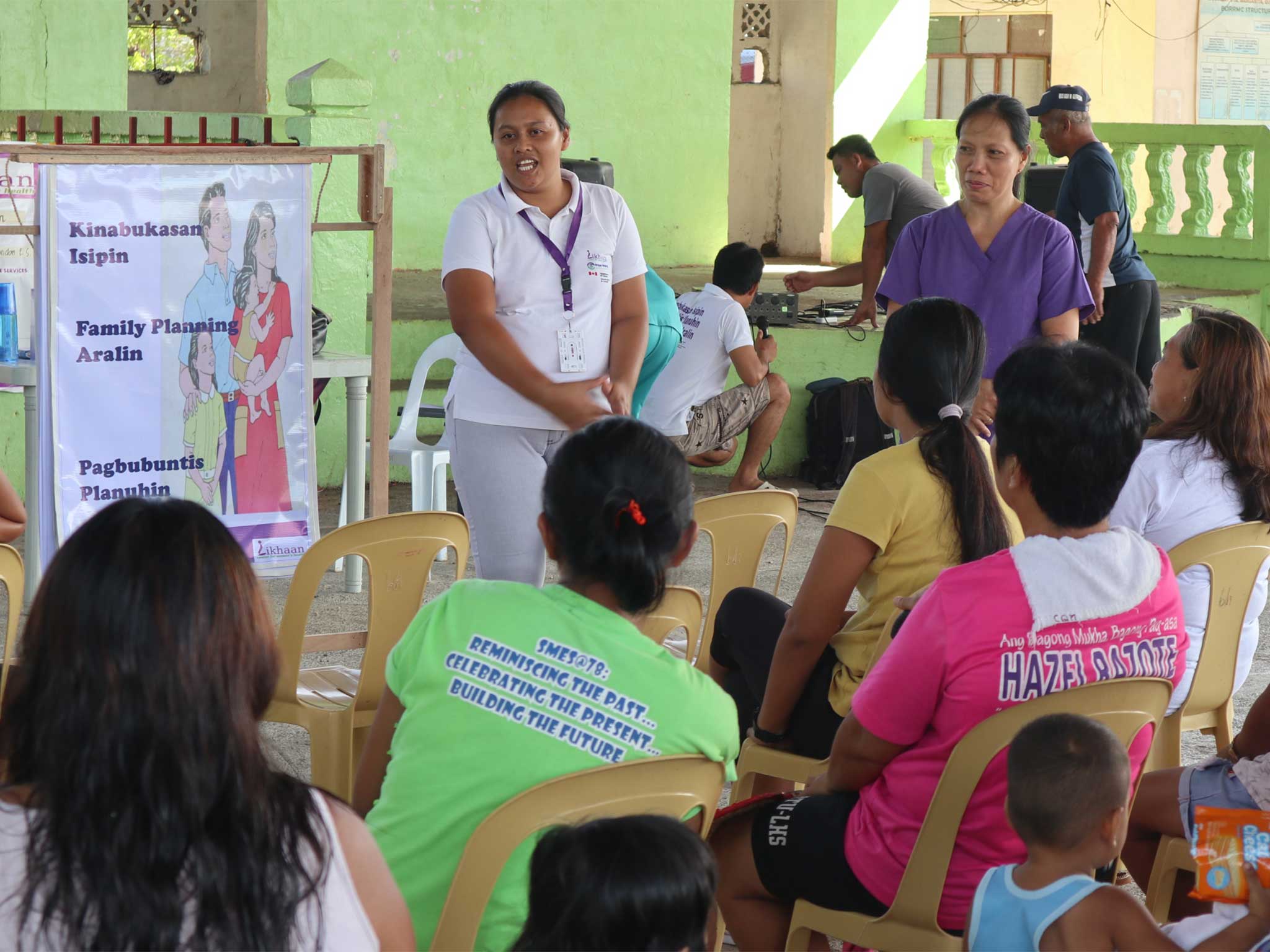
Likhaan prioritizes reaching out to young people. Celine recalls a thirteen-year-old girl who suffered sexual violence and became pregnant. Likhaan offered her support and encouraged her to sit in on a few learning sessions. After attending several sessions, she decided to volunteer alongside Likhaan to spread health information throughout her community. Celine remembers another young girl who took what she learned about contraceptives and shared it with her classmates at school—an act of courage, considering religious conservatism in the Philippines.
Youth become empowered through education so that they are able to make decisions about their own health and their personal choices.
Celine
Likhaan offers their staff specific training for how to work with young people, particularly those affected by sexual violence. This has helped build Celine’s understanding of their SRH needs. In turn, Celine is seeing the ripple effect of this support: young people are becoming more informed and advocating for themselves and their health. “Likhaan is an amazing organization,” Celine shares, “Youth become empowered through education so that they are able to make decisions about their own health and their personal choices.”
Tony, a nurse, began volunteering at one of Likhaan’s clinics. He was soon drawn to Likhaan’s advocacy to improve women’s health care in the Philippines. Tony remembers Likhaan’s long-term struggle to ensure Congress passed the RH Law. As part of their campaign, Likhaan and the communities they work alongside raised their voices—in the streets, in the media and before the Philippines Congress. The RH Law was passed in 2012. Although its implementation has been inconsistent, it marked an important turning point in the fight for reproductive justice in the Philippines.
Today, as coordinator of a Likhaan clinic, Tony knows that providing quality health care is only one part of the work. Improving women’s health also requires changing policies that shape access to care. “There is no way that Likhaan could ever meet the needs of all the poor and marginalized women in the country,” he says, “To do that, we have to change the laws and that needs advocacy at the national level.” Tony continues to combine service delivery with advocacy.
Inter Pares has supported Likhaan’s work with women, young people and LGBTQI+ communities for more than 30 years.
Over the decades, our collaboration has deepened. In 2026, we started supporting Likhaan to increase their financial sustainability and pilot their innovative public health-care model with allied organizations. The Canadian government has funded our work with Likhaan since its founding in 1995.
Make a gift today to support health care that is rooted in local expertise, community and trust.
Inter Pares acknowledges Global Affairs Canada for its financial support for our work with Likhaan.