

November 3, 2026
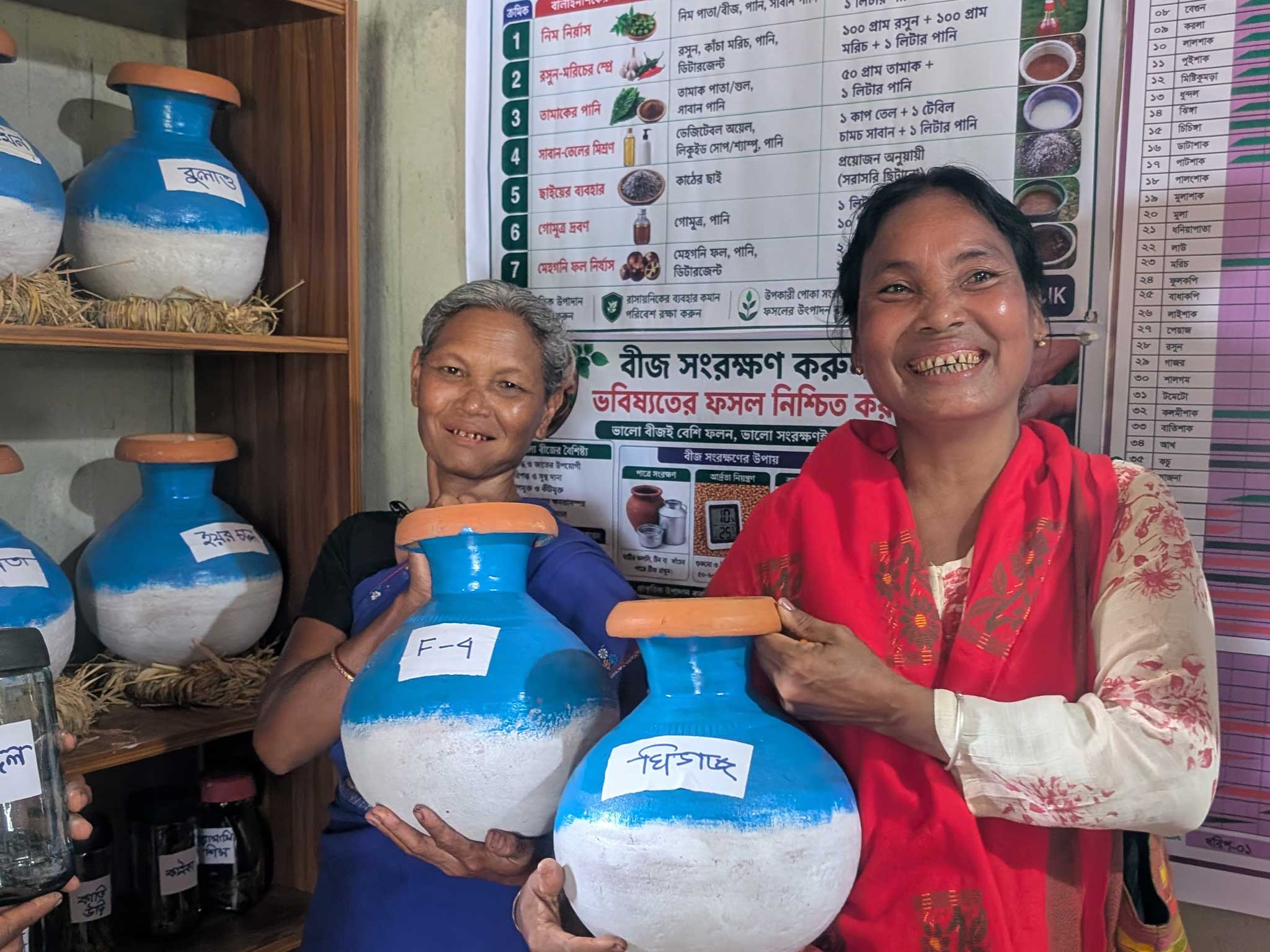
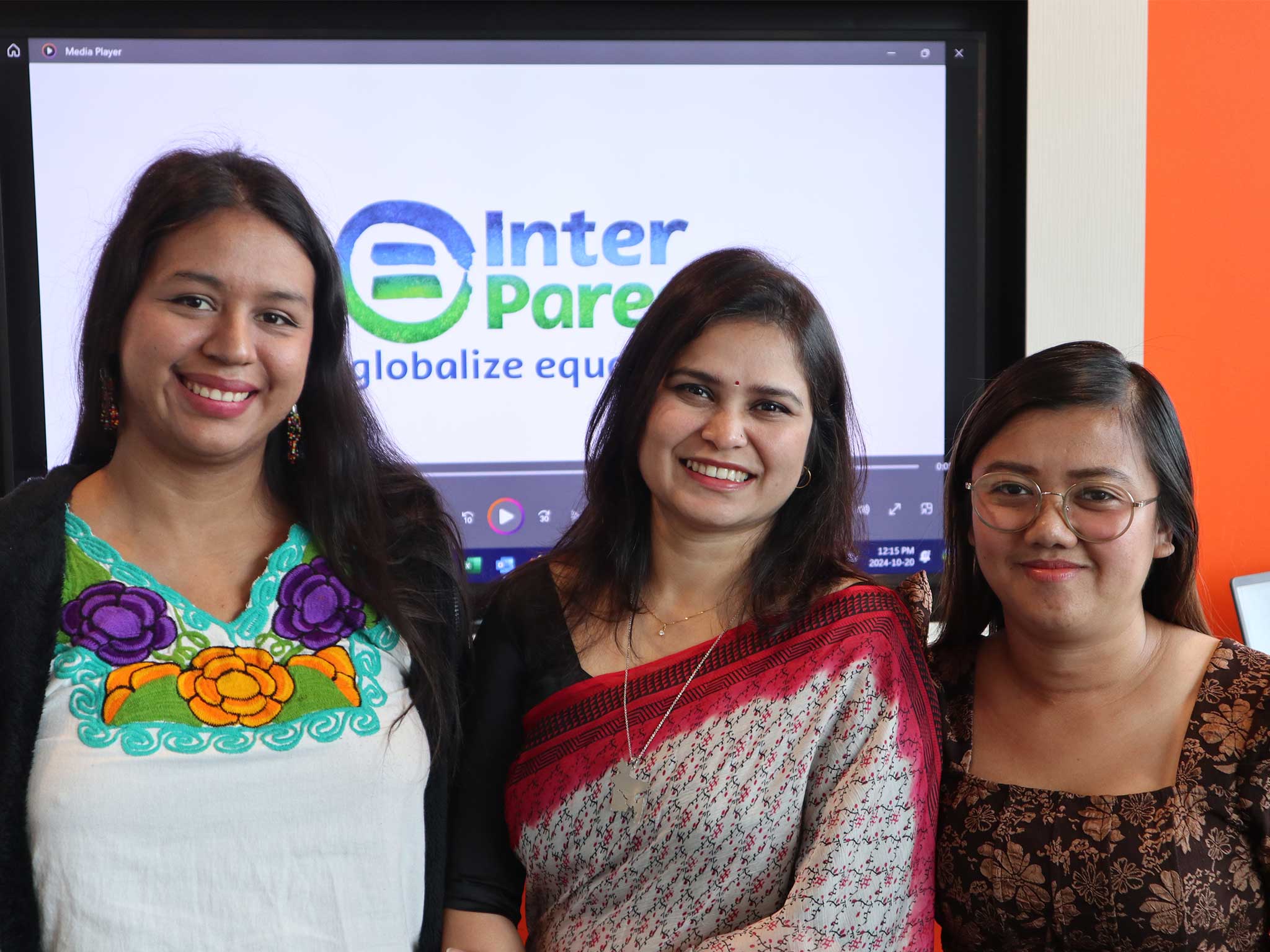
Supti Dawa (left) and Benuka Goreng (right) two of the community members who run Nayapara seed bank in Bangladesh, with support from Inter Pares and our counterpart BARCIK.
Photo: Amani Khalfan/Inter Pares
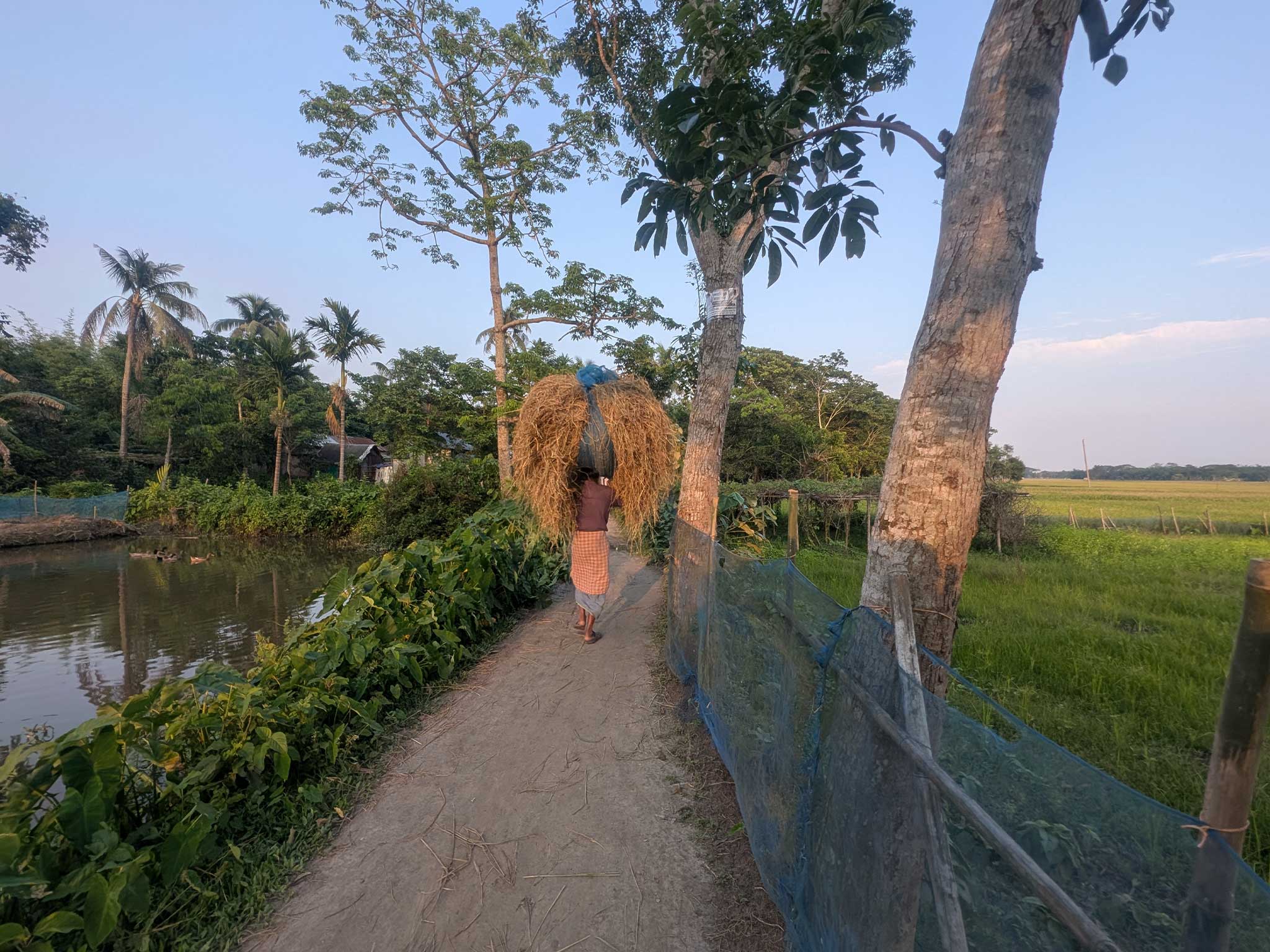
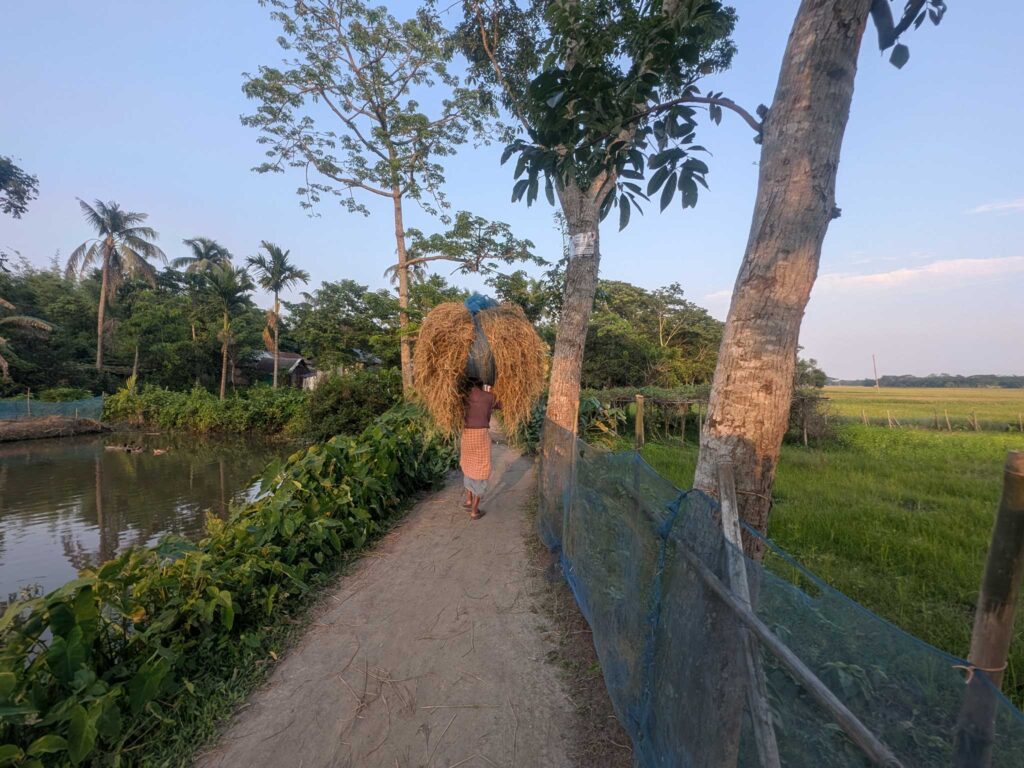
“Save seeds, ensure future harvests,” says a sign in a small building in Nayapara, a village in northern Bangladesh.
In a world where everything seems to cost more by the day, saving is something we’re all thinking more about.
For farmers in rural Bangladesh on tight budgets, saving seeds is money in the bank. It’s the difference between planting next year’s crops and falling into debt buying commercial seeds season after season.
Community seed banks, like this one in Nayapara, are places where farmers can save seeds from one harvest to ensure those of the future. A newly formed group of 17 locals—mostly Indigenous women—run this seed bank, with support from our new counterpart, Bangladesh Resource Center for Indigenous Knowledge (BARCIK).
We started working with BARCIK in January 2026 to support small-scale farmers. Since 1997, BARCIK has promoted sustainable farming that relies on local resources instead of purchased inputs, helping farmers spend less on seeds, fertilizers and pesticides.
One way they do this is by supporting seed saving and community seed banks, giving farmers access to locally adapted seeds without having to buy new ones every season.
The diverse seeds housed in local seed banks also act as insurance policies. This region of Bangladesh is prone to intense rains, flooding and landslides—disasters that can wipe out entire harvests. The climate crisis and international conflicts only magnify the costs of these disasters. When they happen, local farmers can rely on seeds from their local seed bank to replant their fields.
At a time when making ends meet is getting harder every day—your gift today supports locally-led solutions to strengthen economies and build resilient communities.
Though less than a year old, the Nayapara community seed bank is part of Inter Pares’ long history of working with small-scale farmers to reclaim control over their food systems from corporations.
In West Africa and India, we’ve supported small-scale farmers to preserve their seeds for decades. In Peru, we support rural survivors of forced sterilization to start small farms, helping them earn income and diversify their diets.
In Burma, war is making daily life more expensive and food harder to access. Our work with local counterparts is evolving to meet these challenges. We’re supporting Indigenous community partners in several states to produce food locally, reducing dependence on imports and improving access to nutritious food. This work includes protecting treasured local seed varieties, as conflict puts them—and the people who steward them—in danger.
In Chin State, a community seed bank dedicated to preserving local rice varieties provides a source of income for surrounding communities. These funds pay for a local medic and basic medicines.
The sign on the Nayapara seed bank wall is just the beginning of the story. For small-scale farmers—whether from Bangladesh, Burma or Canada—rising costs, climate shocks and conflict make seed saving about more than future harvests. It’s about strong communities, self-reliance and having one less expense to worry about in an increasingly uncertain world.
Support locally-led solutions to strengthen economies and build resilient communities.
Around the world, making ends meet is getting harder every day. Discover how people are building stronger local economies and more resilient communities through collective action.