
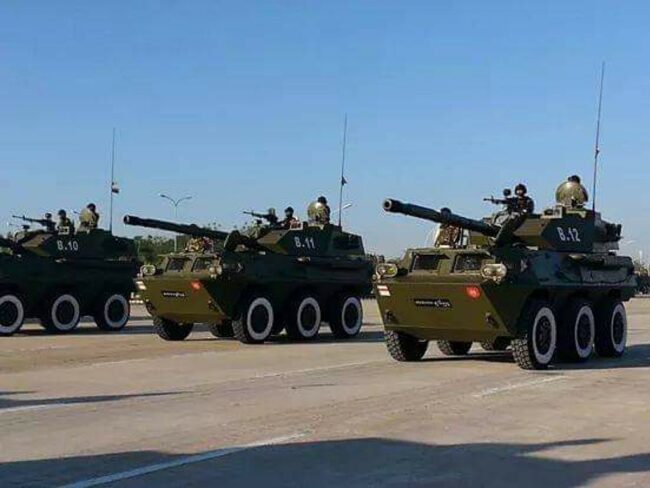
Take Action: Call on the RCMP to investigate breach of Burma sanctions
Request the RCMP investigate the business agreement between Dickens & Madson Canada and Burma senior military General Mya Tun Oo.
Request the RCMP investigate the business agreement between Dickens & Madson Canada and Burma senior military General Mya Tun Oo.
This short brief presents summary recommendations to Global Affairs Canada about how it can deepen the vision laid out in its Feminist International Assistance Policy (FIAP) and become a more fully feminist donor.
What We Heard is a summary of rich input from the public and a variety of organizations who have articulated what a feminist foreign policy means to them, and what Canada can do to facilitate its implementation,
Be Brave, Be Bold is the Feminist Foreign Policy Working Group’s official submission to the Government of Canada on its feminist foreign policy.
Inter Pares has signed onto a joint statement regarding the February 1st military coup d’état in Burma.
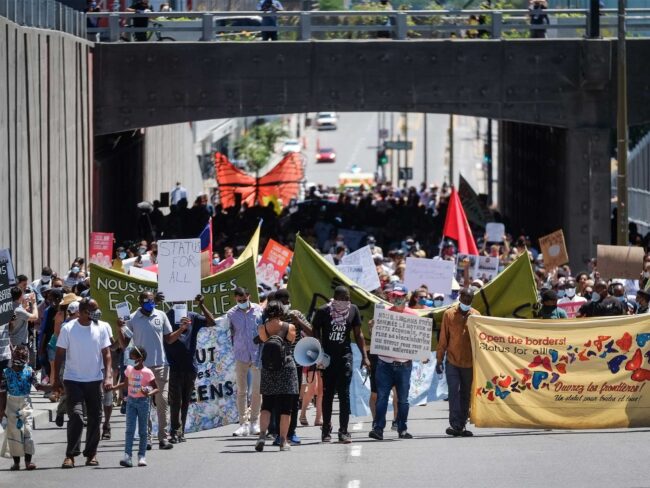
For many people, 2020 was a year of increased awareness about injustices in our society.
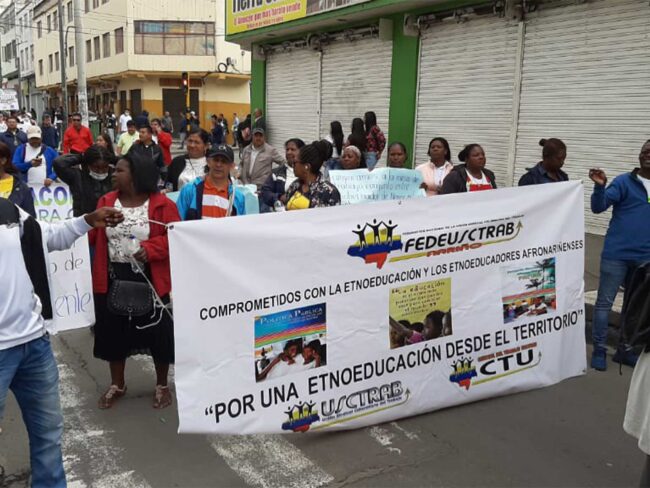
For Manuel, ethno-education is not only an obligation of the State, it is fundamental to the dismantling of systemic racism and exclusion that Indigenous and Afro-Colombian communities face.
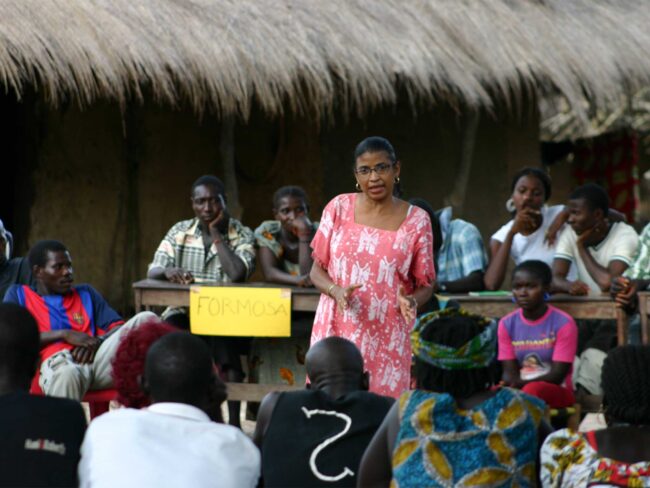
Forty-five years after its founding, Inter Pares still aspires to uphold that principle for which we were named.
As a member of the Feminist Foreign Policy Working Group Inter Pares is pleased to share two new reports highlighting our aspirations for Canada’s feminist foreign policy.
Your February Bulletin features the work of our counterparts in Canada and Colombia to resist racism and colonialism.