
November 4, 2026
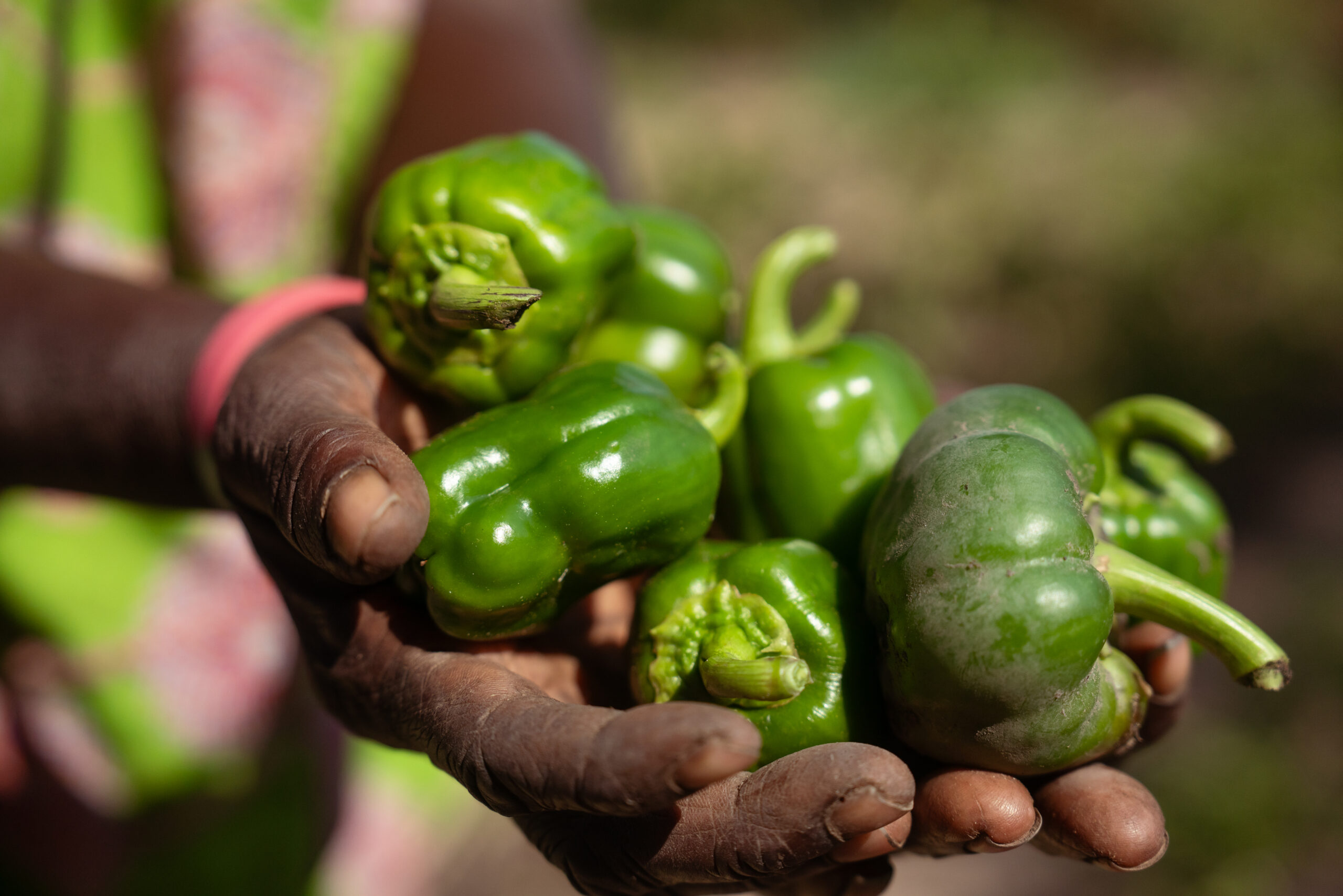
Freshly harvested green peppers in Senegal. Agroecology helps farmers grow healthy, diverse crops while caring for the soil and reducing their reliance on chemical fertilizers and pesticides.
Photo: Cherif Khoury
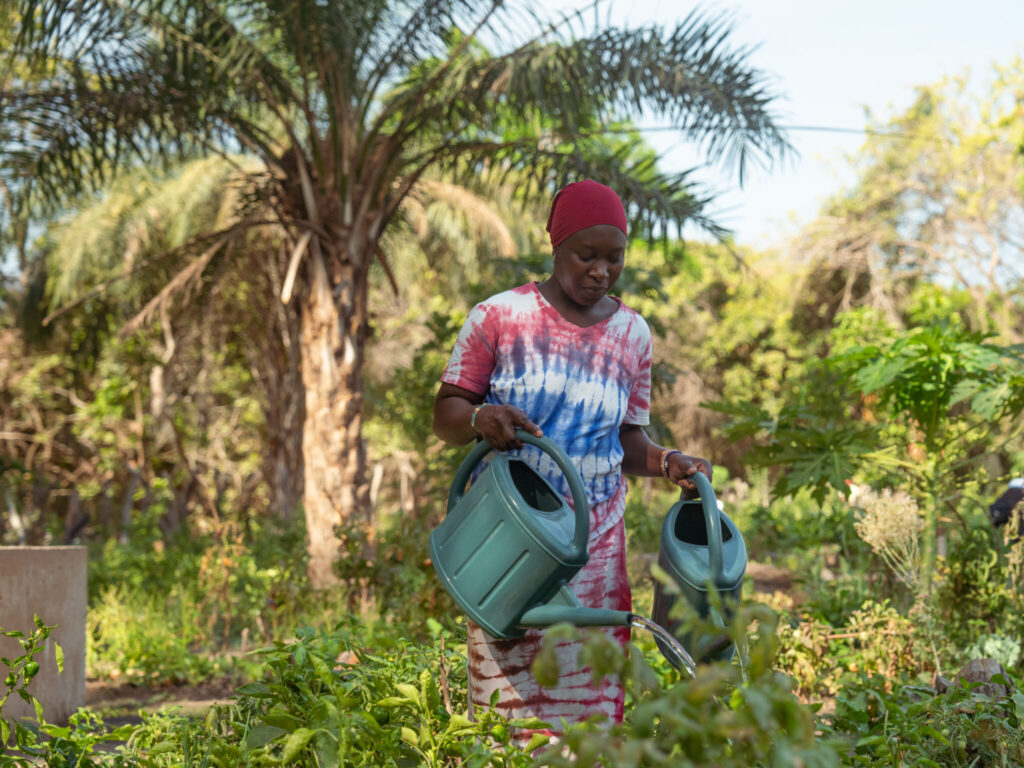
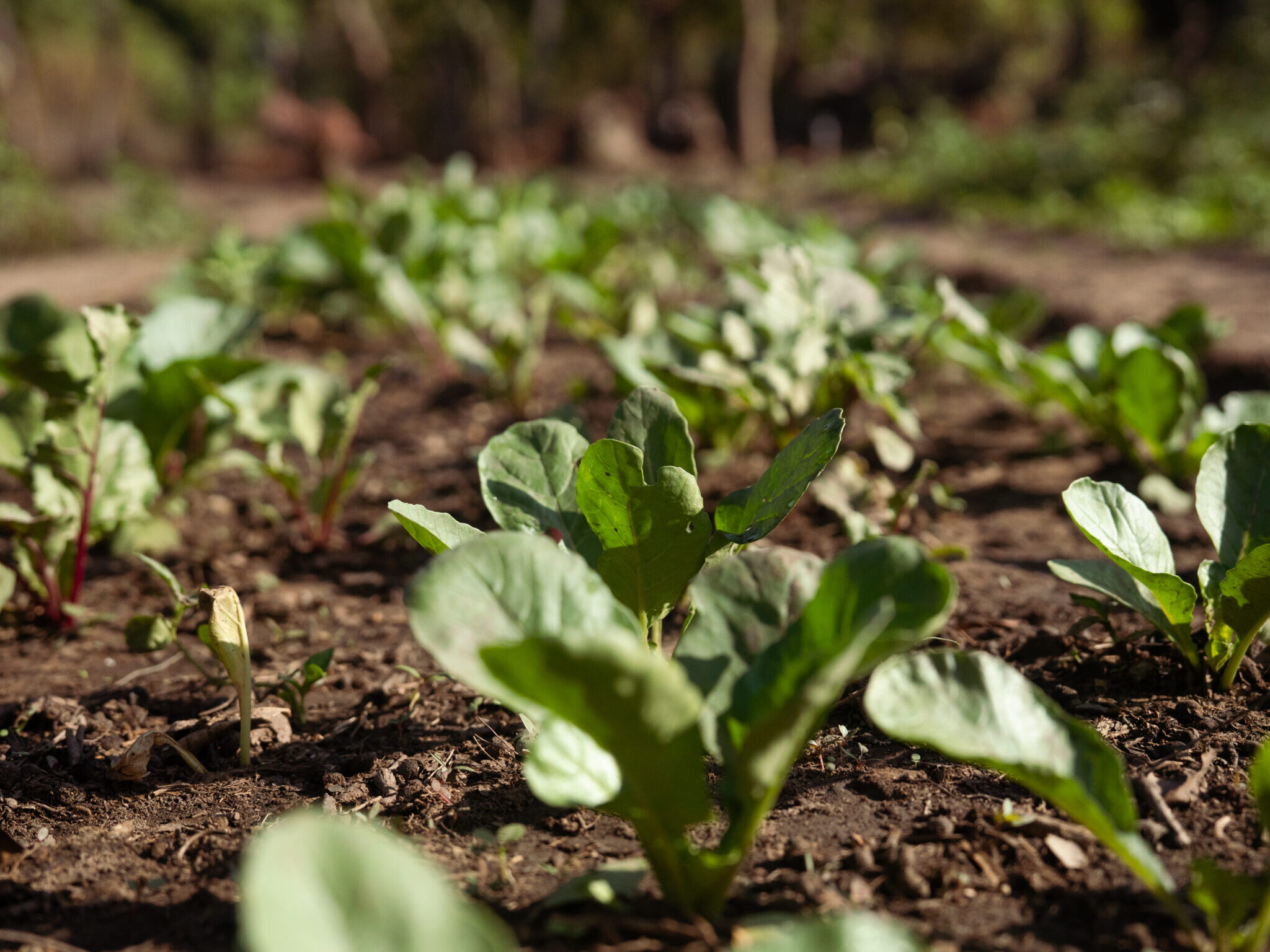
Where rows and rows of one crop might normally stand, tomatoes, aubergines, beans, chilies, cabbage, basil and coriander grow side by side.
Papaya, orange, banana and mango trees offer fruit and shade. Nearby, the neem tree, known as the village pharmacy for the medicinal qualities of its oil, repels insects instead of pesticides. Cows provide fertile manure that nourishes the soil. Insects hum among the crops.
This is an agroecological farm in Senegal, where farmers work with nature to grow food while protecting biodiversity and the environment. It’s a far cry from the dominant model of agriculture.
Our food system is at the centre of interconnected environmental and social crises.
From growing and processing food to transporting and storing it, the food system produces a third of global greenhouse gas emissions and is a huge driver of biodiversity loss.
Industrial agriculture underpins this system. It focuses on high yields, low costs and maximum profit. But it takes a huge toll on the climate, farmers and nature. Agriculture alone is the main threat to 24,000 of the 28,000 species at risk of extinction right now.
Today, industrial agriculture occupies 65 per cent of the world’s farmland. Its monocultures—vast fields of one crop usually planted from hybrid or genetically modified seeds—are dependent on large-scale machinery, synthetic fertilizers and pesticides.
Producing synthetic fertilizers requires natural gas and generates greenhouse gas emissions. They pollute waterways and release nitrous oxide, a greenhouse gas 300 times more potent than carbon dioxide. Meanwhile, pesticides contaminate soil, water and air, and expose farmers and agricultural workers to serious health risks, including certain cancers.
The seeds, fertilizers, pesticides and machinery that farmers depend on are increasingly controlled by a handful of powerful corporations. Just four companies control more than half of the global seed and pesticide market.
Through mergers, acquisitions and political lobbying, these corporations consolidate their power and influence the policies that shape how food is produced. They promote misleading narratives that portray their products as essential to “feeding the world,” while developing technologies that keep farmers locked into an agricultural model dependent on their products.
The result is a food system designed to serve corporate interests rather than people.
Good things are growing! Get more stories about the people and communities building a more just and sustainable world.
Rooted in Indigenous and local farming knowledge, agroecology works with nature to produce food while protecting the environment and strengthening farmers’ autonomy.
The UN defines it as “a holistic and integrated approach that simultaneously applies ecological and social concepts and principles to the design and management of sustainable agriculture and food systems.” It’s an approach they promote along with research organizations, NGOs and millions of farmers in grassroots movements across the world, including Inter Pares.
Agroecology goes far beyond the field. It brings together science, traditional knowledge and collective action to transform how food is grown, distributed and controlled. It’s also a social movement that challenges corporate dominance over our food systems and advocates for a more just and sustainable alternative.
“Agroecology is a very holistic approach that integrates not only the ecological dimensions of agriculture, but also the social dynamics,” explains Selbé Faye, gender and climate program coordinator at Enda Pronat, our counterpart in Senegal. For Selbé, agroecology is a pathway for Senegal to become not only more sustainable, but also more self-sufficient. “Through agroecology, we want to propel our food sovereignty,” she says. “We don’t want to rely on seeds developed by corporations, chemical fertilizer or food imports.”
Through agroecology, we want to propel our food sovereignty. We don’t want to rely on seeds developed by corporations, chemical fertilizer or food imports."
Selbé Faye, gender and climate program coordinator at Enda Pronat
Seeds are the foundation of agroecology.
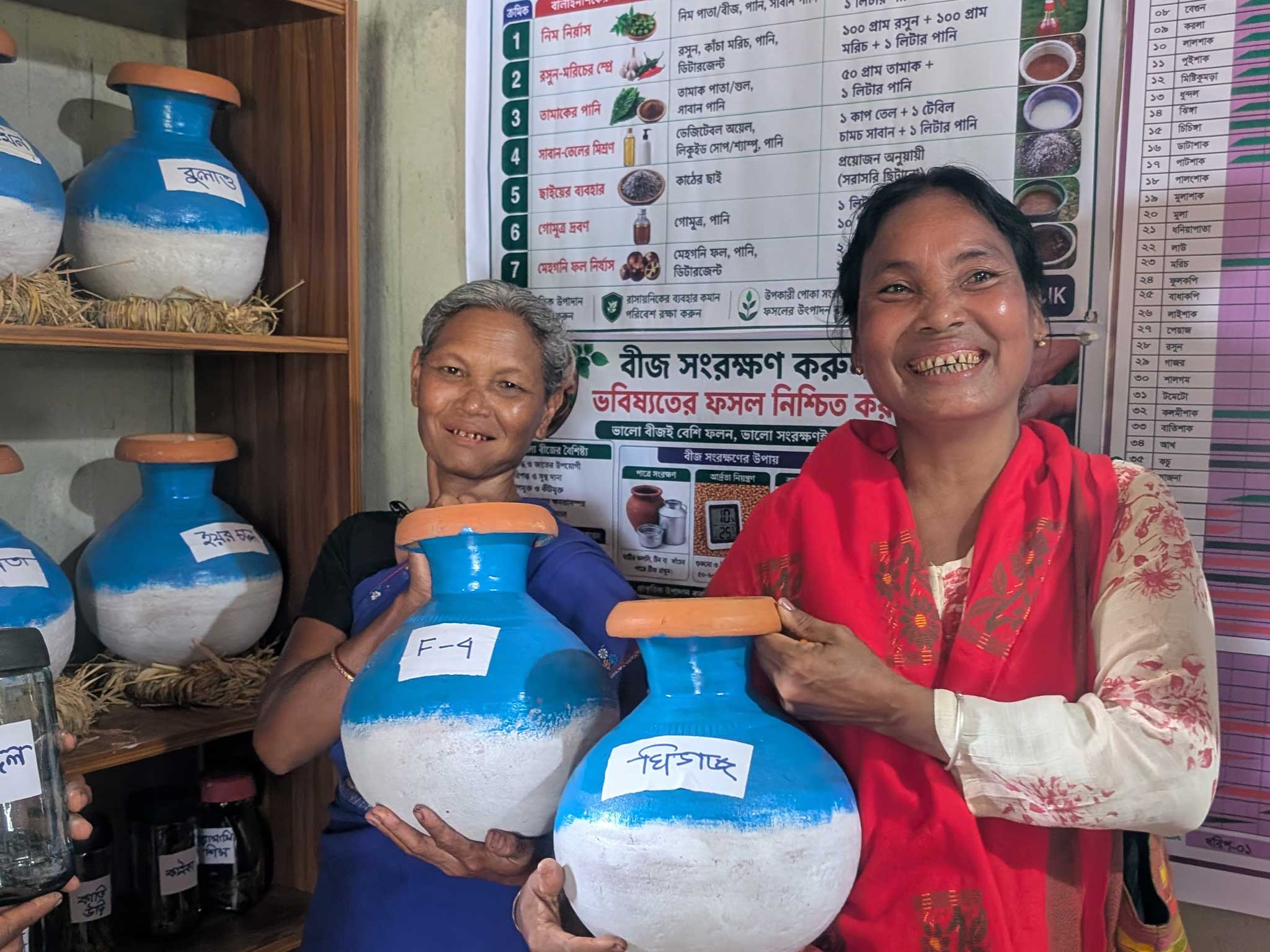
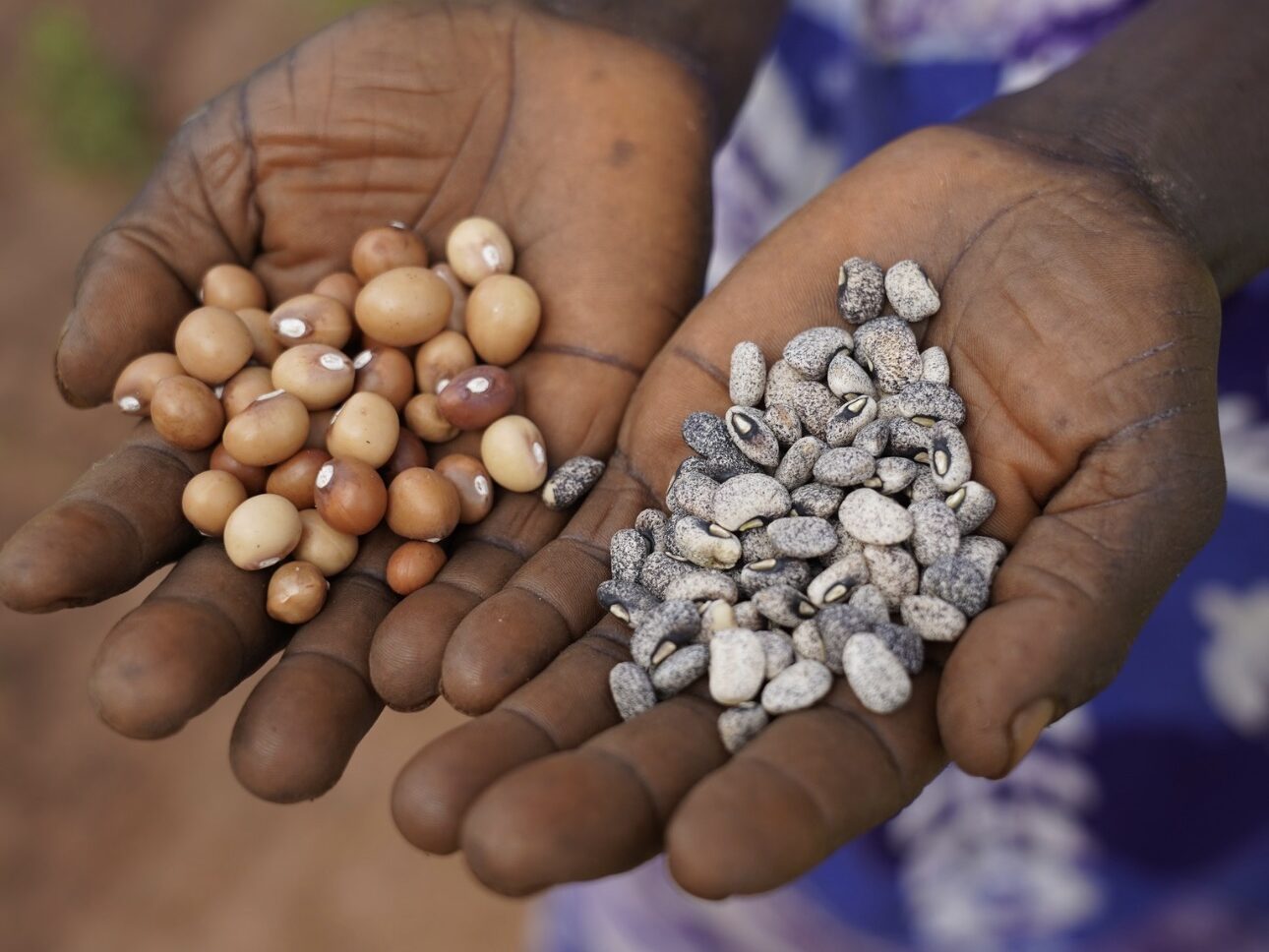
For generations, farmers have selected, saved and exchanged local seed varieties adapted to their soils, climates and growing conditions. These varieties help preserve biodiversity and can be better suited to local conditions, reducing farmers’ dependence on costly and damaging commercial seeds, fertilizers and pesticides.
When communities control their own seeds, they wrestle power back from corporations. In traditional farming communities, women are typically in charge of guarding and saving seeds. For them, local seeds carry not only the potential for future harvests, but also generations of history, culture and traditions.
“They’ll know the stories behind the seed, where it came from, why it’s named this way,” says Eric Chaurette, Inter Pares program manager. “It’s almost like they’re talking about a family member.”
Crop diversity is another pillar of agroecology. Rather than growing vast fields of a single crop, farmers grow different crops side by side, allowing plants to support one another, enrich the soil and naturally control pests. Growing a variety of crops also reduces farmers’ vulnerability to crop failures and changing climate conditions.
And it’s not just about what grows in the fields. Trees, animals and even the organic matter left behind after a harvest all play a role in creating a thriving ecosystem.
Through a practice known as agroforestry, farmers plant trees, like the neem on the Senegalese farm described earlier, alongside their crops. As well as providing fruit, nuts and medicinal products, these trees enrich the soil, absorb carbon, provide habitats for biodiversity and help regulate pests and diseases.
Animals, particularly grazing livestock like cows also play an important role. They turn byproducts—crop residues, grasses, shrubs and plants—into nutrient rich manure, which farmers can use to make their own organic fertilizers.
“Instead of using chemical fertilizers made with natural gas, agroecological farmers use dead leaves, green plants, garlic and pepper mixed with cow dung to make a compost,” explains Selbé.
This circularity is critical; not only replacing damaging synthetic inputs but also feeding the soil with microbes to improve its health and fertility.
Agroecology extends far beyond the farm. Social justice and equity are integral elements to the success of these practices and farming.
In West Africa, where some of our counterparts work, women play an essential role in food production and preserving agricultural knowledge, but their contributions are often undervalued. They struggle to access their own land, credit and lack decision-making power on the farm. Still, they have deep technical and innate skills that are central to agroecology; seed saving, knowledge of plant interactions and connection to nature.
“We realized that if we want agroecology to work, we must value the know-how and the foresight of women,” says Mariame who has advised our programming.
At Inter Pares, we’ve always believed that sustainable agriculture goes hand in hand with challenging inequalities. That’s why strengthening women’s rights, participation and leadership is central to the agroecology work our counterparts lead in West Africa.
In Senegal, Enda Pronat helps rural women farmers get identity documents, understand their rights and deepen communication skills so they can participate fully—as citizens and as farmers—in decisions affecting their communities and livelihoods.
But transforming food systems requires more than changes at the community level. It also means challenging the policies and structures that favour industrial agriculture and corporate interests.
“Agroecology is a political process,” says Eric. “The aim is to have food policy and regulation that helps this type of farming flourish around the world.”
That matters because government policies and public spending play a major role in determining which agricultural models thrive.
This is why agroecology is also a movement for collective action.
Around the world, farmers’ organizations and civil society movements are challenging corporate control over food systems and advocating for policies that protect farmers’ rights and food sovereignty.
La Via Campesina is one such movement, bringing together 200 million small-scale farmers, rural women, landless workers, Indigenous peoples and peasant youth from around the world. In West Africa, our counterpart COPAGEN unites farmers’ organizations, researchers and civil society groups to advance agroecology, food sovereignty and rural women’s rights.
These movements push for political change. They bring farmers together to share knowledge, learn from one another and develop solutions rooted in their own experiences.
In industrial agriculture, even the advice farmers receive can be a sales pitch. Agronomists working for agrochemical corporations promote the very products their employers profit from, keeping farmers dependent on them.
Agroecology turns this model on its head. Farmers are not customers waiting for corporations to tell them how to grow food. They are experts, sharing knowledge with one another and developing solutions that work for their land and communities.
Agroecology is not just about what happens on the farm. It's also about who makes the decisions, who holds the knowledge and who benefits from the food we grow."
Dusk arrives on the farm in Senegal. Water droplets form at the edges of the crop leaves, a sign of a healthy ecosystem. Birds stream into the lines of trees punctuating the crops. Women weed among the crops in the cooler evening air, joking and chatting.
At its core, agroecology is linked to the Indigenous and traditional belief that we, humans, are not separate from nature, Selbé says.
“Nature is at the service of humans, but we must also be at the service of nature.”
Inter Pares acknowledges Global Affairs Canada for its financial support of our work with counterparts in West Africa.