August 24, 2026
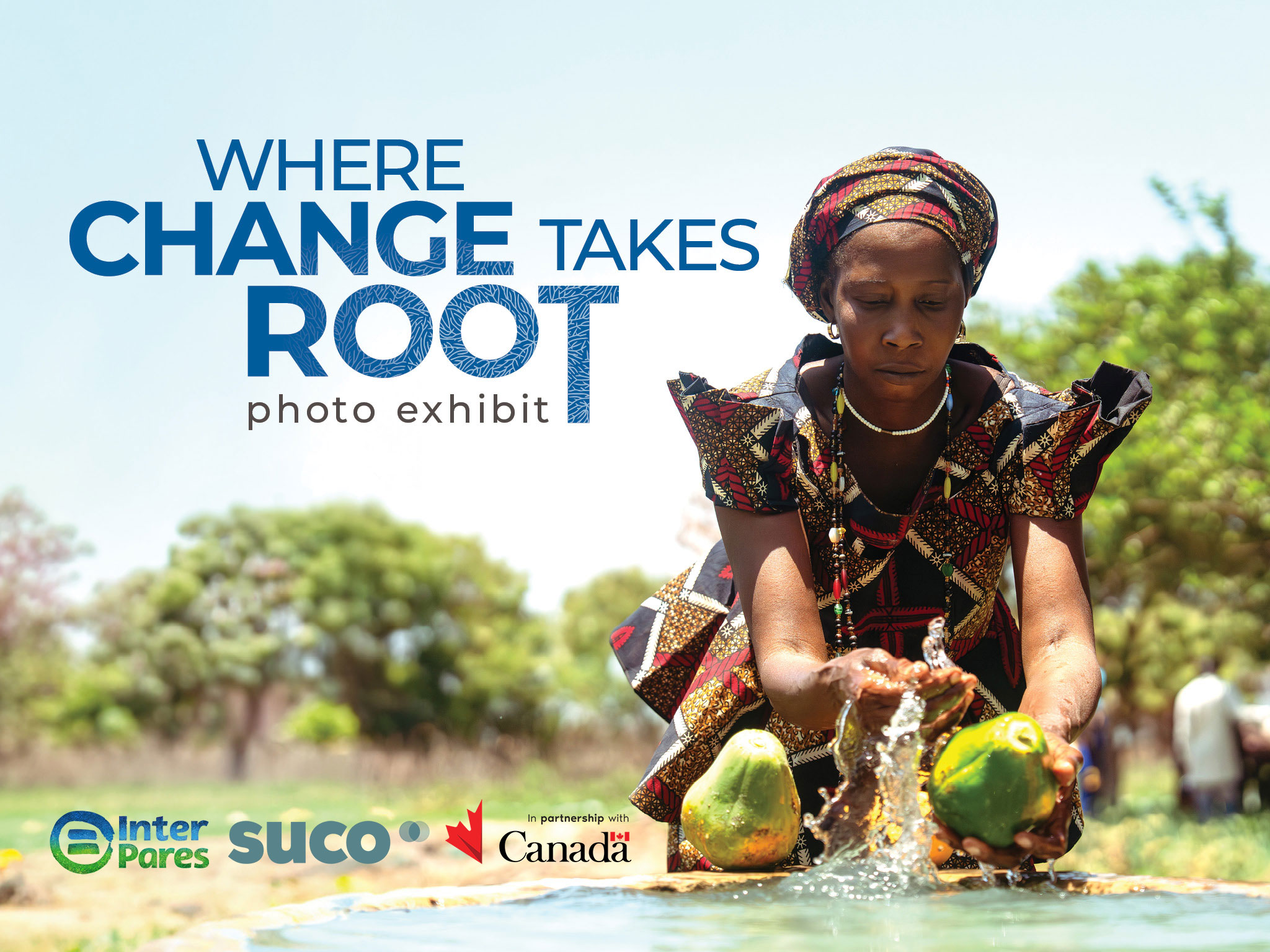
In the community of Tendouk, Casamance, Senegal, Diatty Fofana rinses papayas grown in a community garden.
Photo: Cherif Khoury/Inter Pares
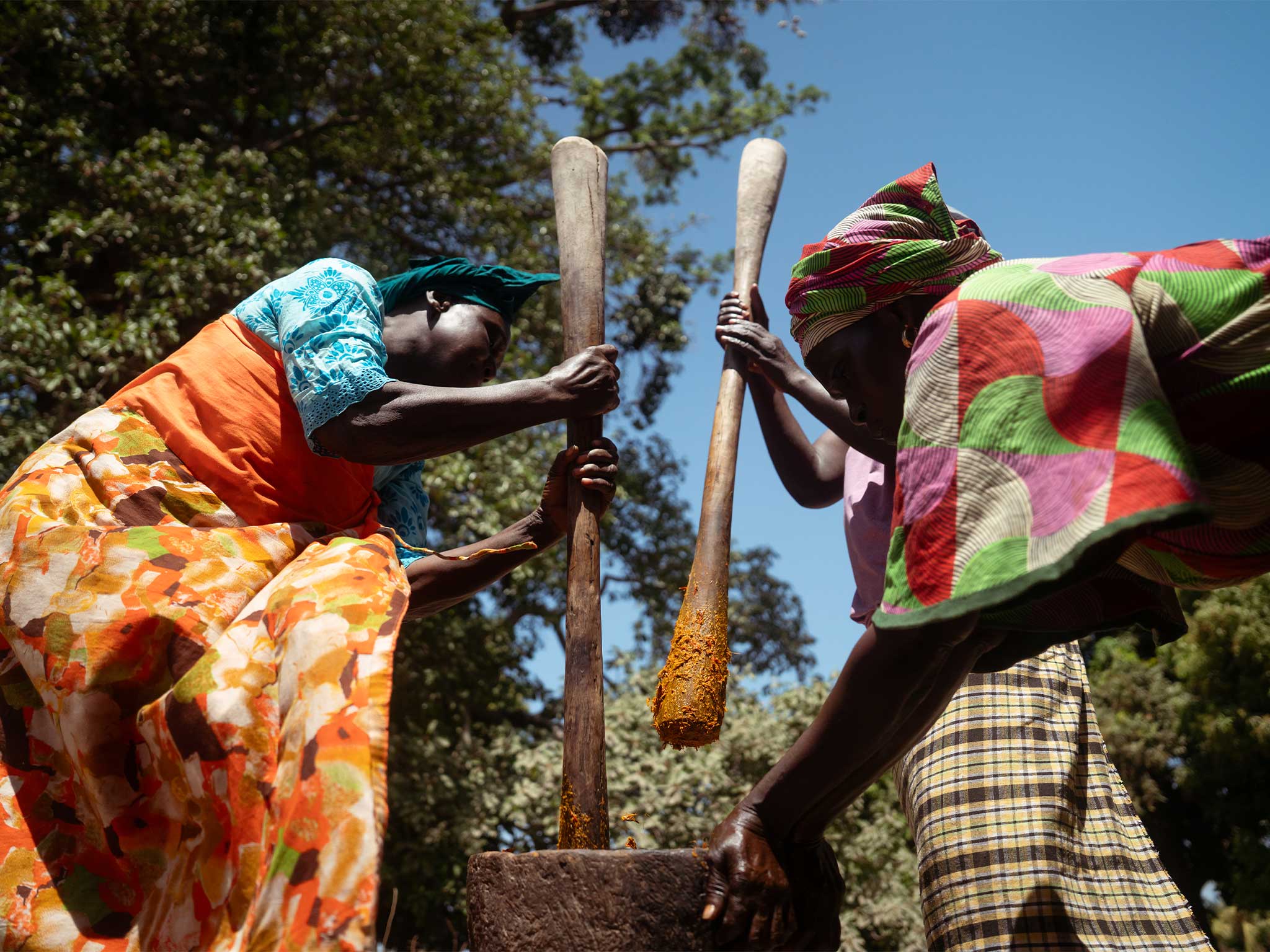
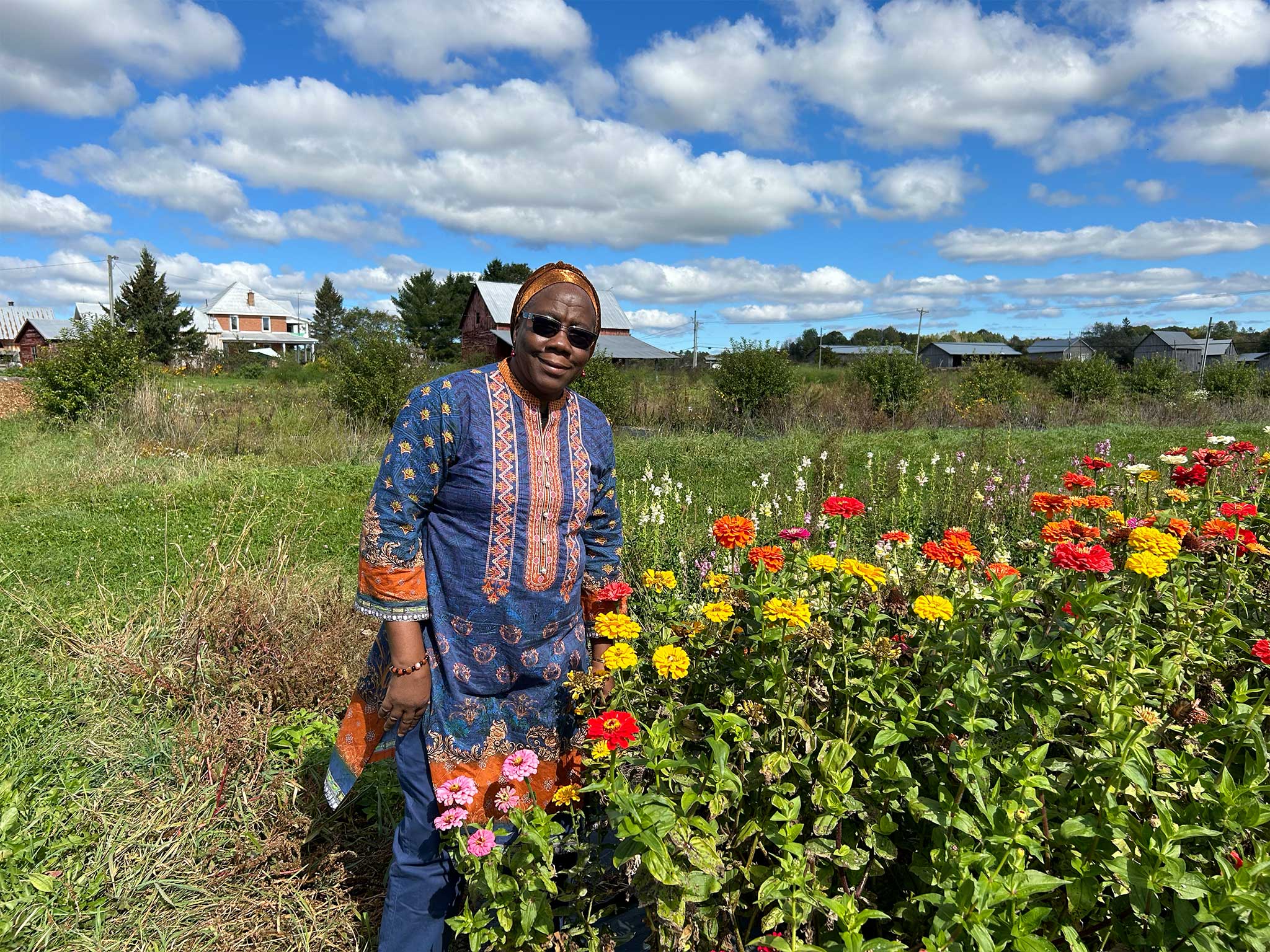
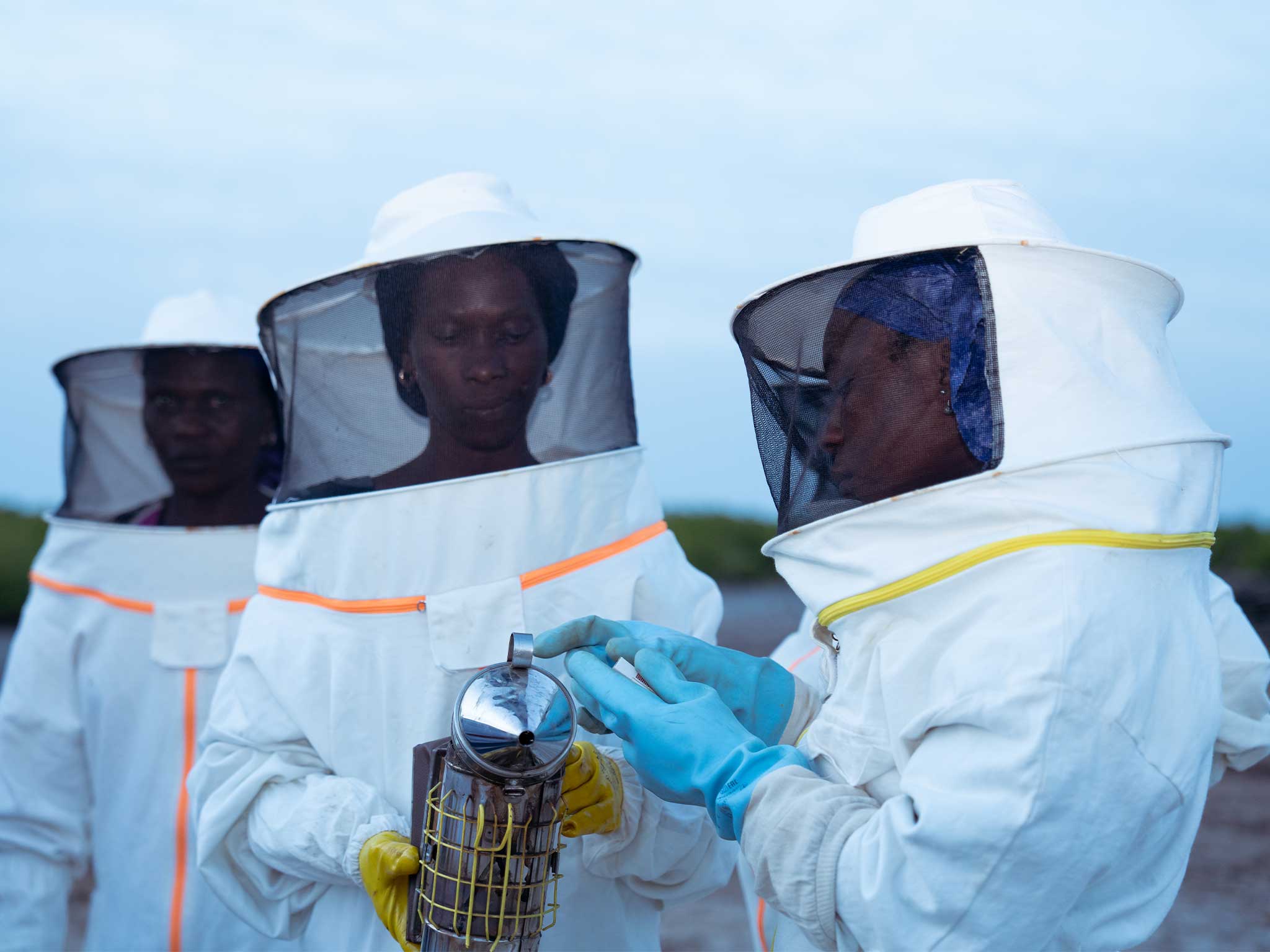
Where change takes root brings together photographs from Guinea-Bissau, Senegal and Togo to share how communities are finding ways to grow food, sustain livelihoods and care for the land in the face of a changing climate.
From restoring mangroves and protecting local seeds to beekeeping, community gardens and sustainable harvesting, the exhibition explores how people are drawing on their knowledge of the land while finding new ways to respond to the challenges around them.
At the heart of these photographs are women whose knowledge, leadership and collective action are helping shape more just and sustainable food systems.
September 14–25, 2026
Saint Paul University
Atrium, 110 Hazel Street, Ottawa
Launch event: September 15, 5–8 p.m.
Light refreshments will be provided.
October 1-31, 2026
Peterborough Public Library (Main Branch)
345 Aylmer Street N.
Launch event: October 2, 5–7 p.m.
Light refreshments will be provided.
Food begins buried in the land beneath our feet, nourished by water, sun and care. Farmers plant seeds from one season to the next, carrying knowledge and wisdom from previous generations. They tend the soil, harvest what grows and transform it into food that nourishes families and communities.
Around the world, the people and systems that bring our food from field to plate are under growing pressure. Climate change is transforming the places where people farm, fish and gather food. At the same time, corporations are gaining greater control over land, seeds and markets, while industrial agriculture is eroding biodiversity, depleting soils and increasing farmers’ dependence on costly seeds, fertilizers and pesticides.
In West Africa, women farmers are acutely affected by these challenges—while also confronting social norms that limit their power. They grow and prepare food and manage the natural resources that sustain their families and communities. Yet women often have less access to land and other resources and less say in decisions that shape their environment.
But this is changing. Women farmers are planting seeds for a different future. They are adapting how food is grown, taking space around decision-making tables and shaping the future of their lands and communities.
Change takes root in the knowledge of those closest to the land—and in the solutions communities are growing for their lands, their livelihoods and generations to come.
For 50 years, Inter Pares has worked alongside social justice organizations and movements around the world. Across West Africa, we work with feminist organizations, farmers’ movements and rural women to build more just and sustainable food systems rooted in local knowledge and community leadership.
The work featured in Where change takes root is being carried out in partnership with SUCO and with financial support from Global Affairs Canada.