Inter Pares is excited to announce its new relationship with ENDA Pronat, a longstanding Senegalese organization that is a leader in agroecology, governance of natural resources, and rural women’s leadership.
Founded in 1982, ENDA Pronat promotes climate resilient and sustainable rural development in Senegal by accompanying local communities, especially women and youth, to gain and maintain control over their lands and resources and use these sustainably for future generations. It does this through a combination of action-research, rural extension and agroecological training with farmers and women’s groups, and public education and policy work through advocacy with local and national authorities.
ENDA Pronat supports work in rural communities in four of the six agroecological zones of Senegal: les Niayes (especially in rural areas between Dakar and Thiès), in the Senegal River Basin (Fouta), the peanut basin (in the Fatick area in particular) and and in eastern Senegal (in the region of Tambacounda). Enda Pronat is also active in Senegal’s capital, Dakar, particularly with regard to advocacy and policy work.
Inter Pares has collaborated with ENDA Pronat in various ways over the past decade: action- research documenting landgrabbing in Senegal; participating in farmer-to-farmer exchanges with our counterpart Deccan Development Society, in India; and conducting awareness and advocacy campaigns on agroecology along with other members of the regional biodiversity coalition, COPAGEN.
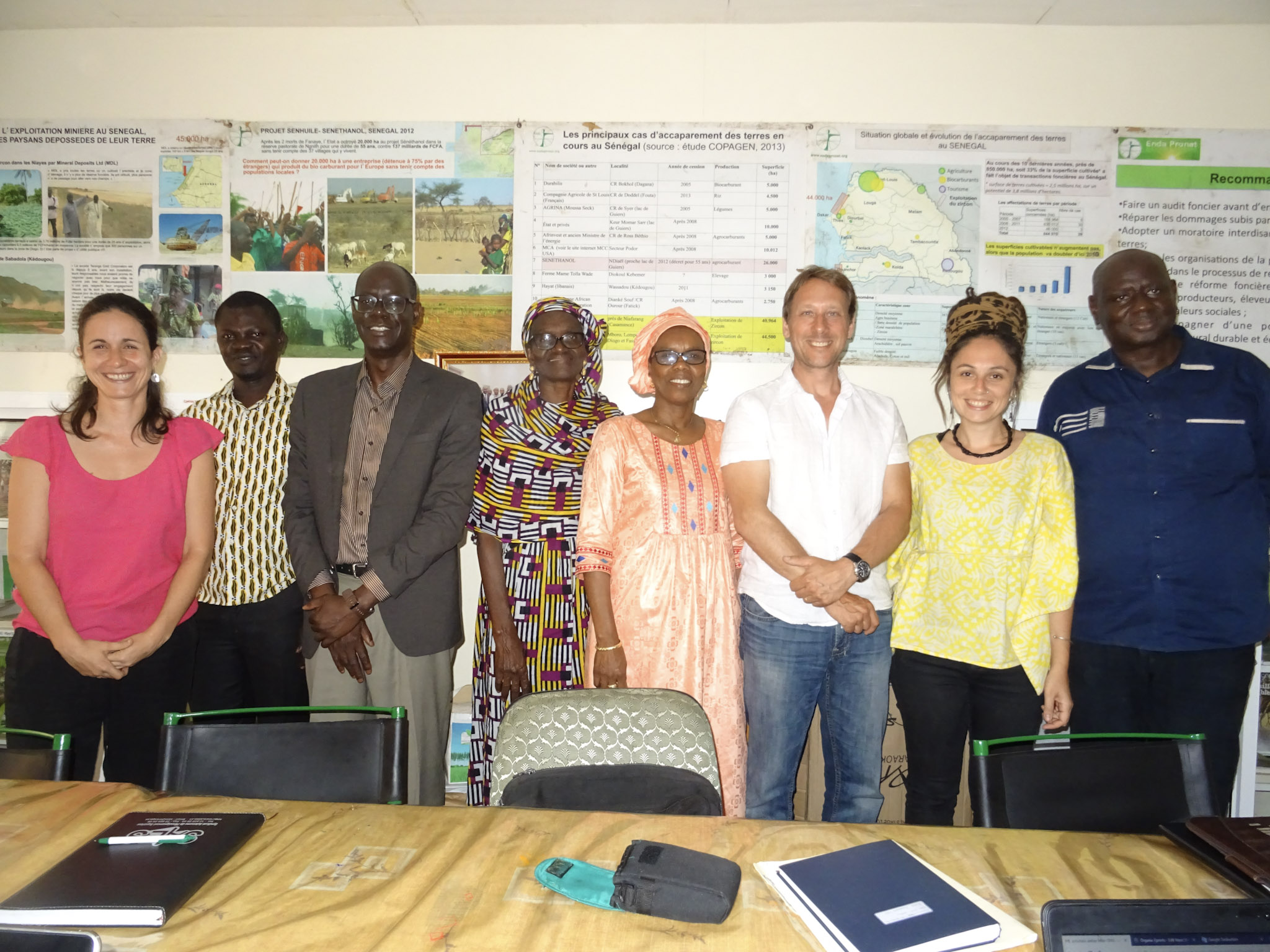
Staff member Eric Chaurette recently met with ENDA Pronat colleagues in Senegal and got to spend some time with rural women making a real difference. Below are some snapshots from his trip with accompanying field notes.

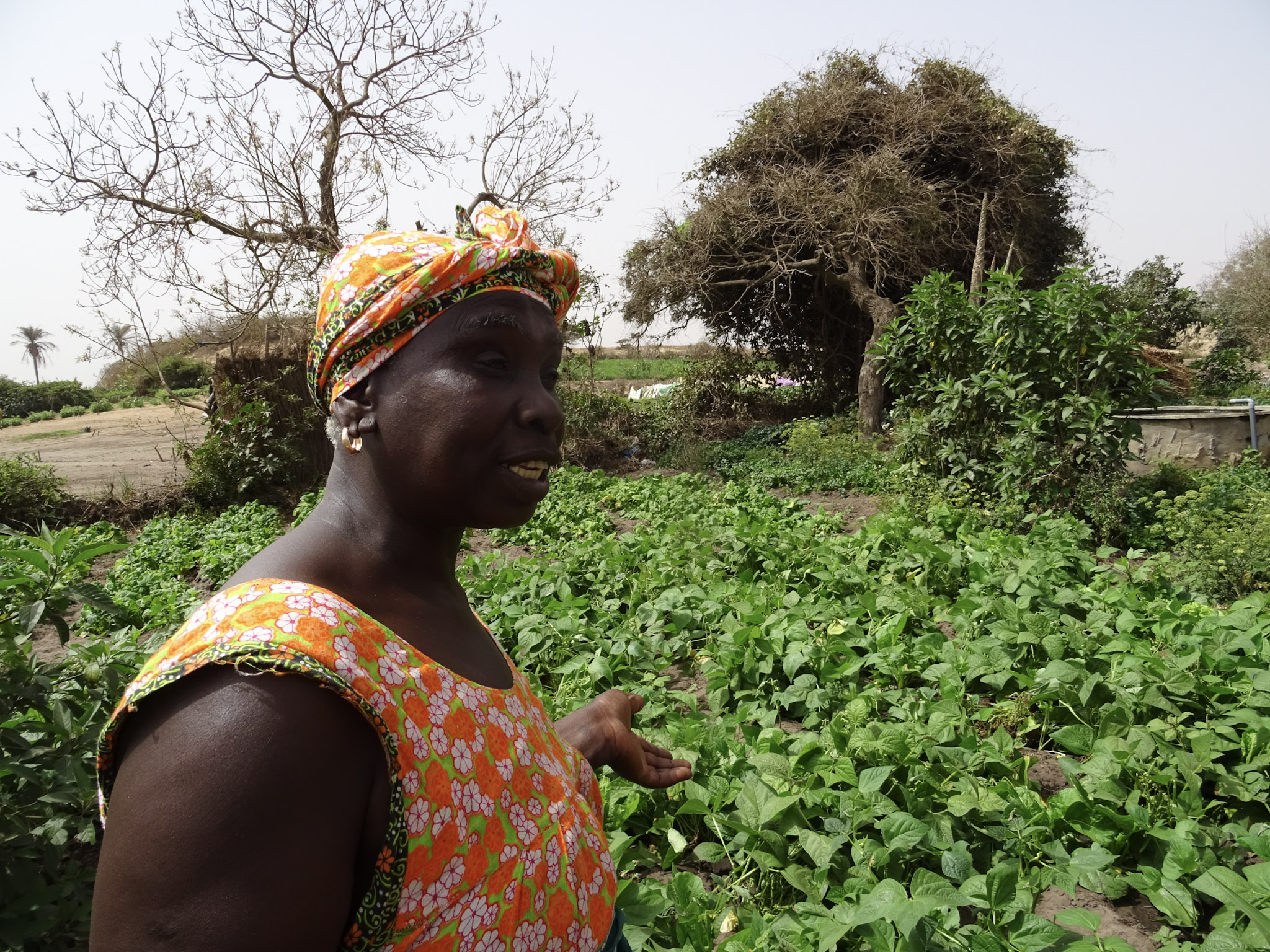
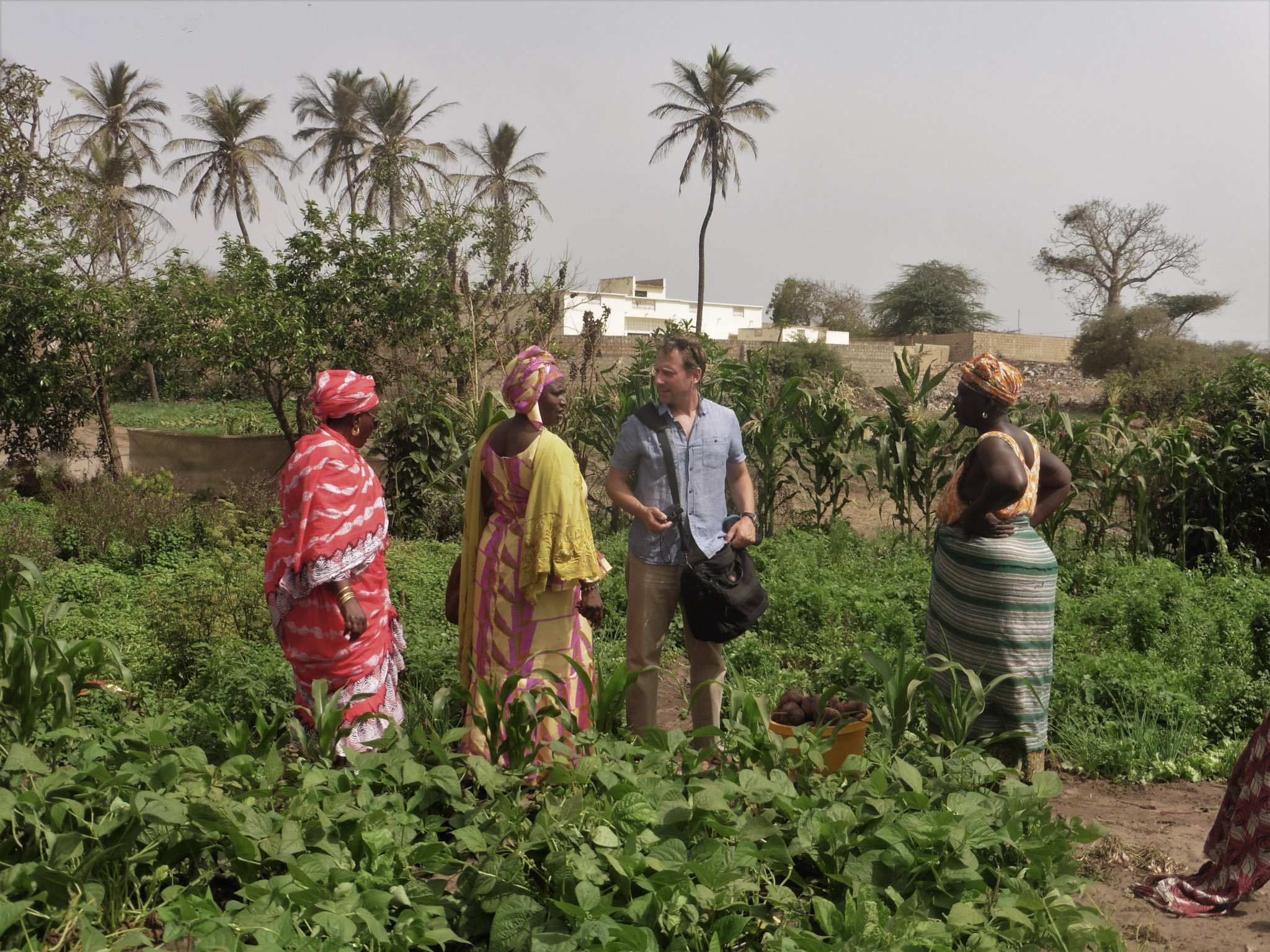
After a two hour drive, we finally arrive at Tiné Ndoye’s farm located in the village of Mbawane, situated in les Niayes, a fertile zone, blessed with water, with many horticultural farms.
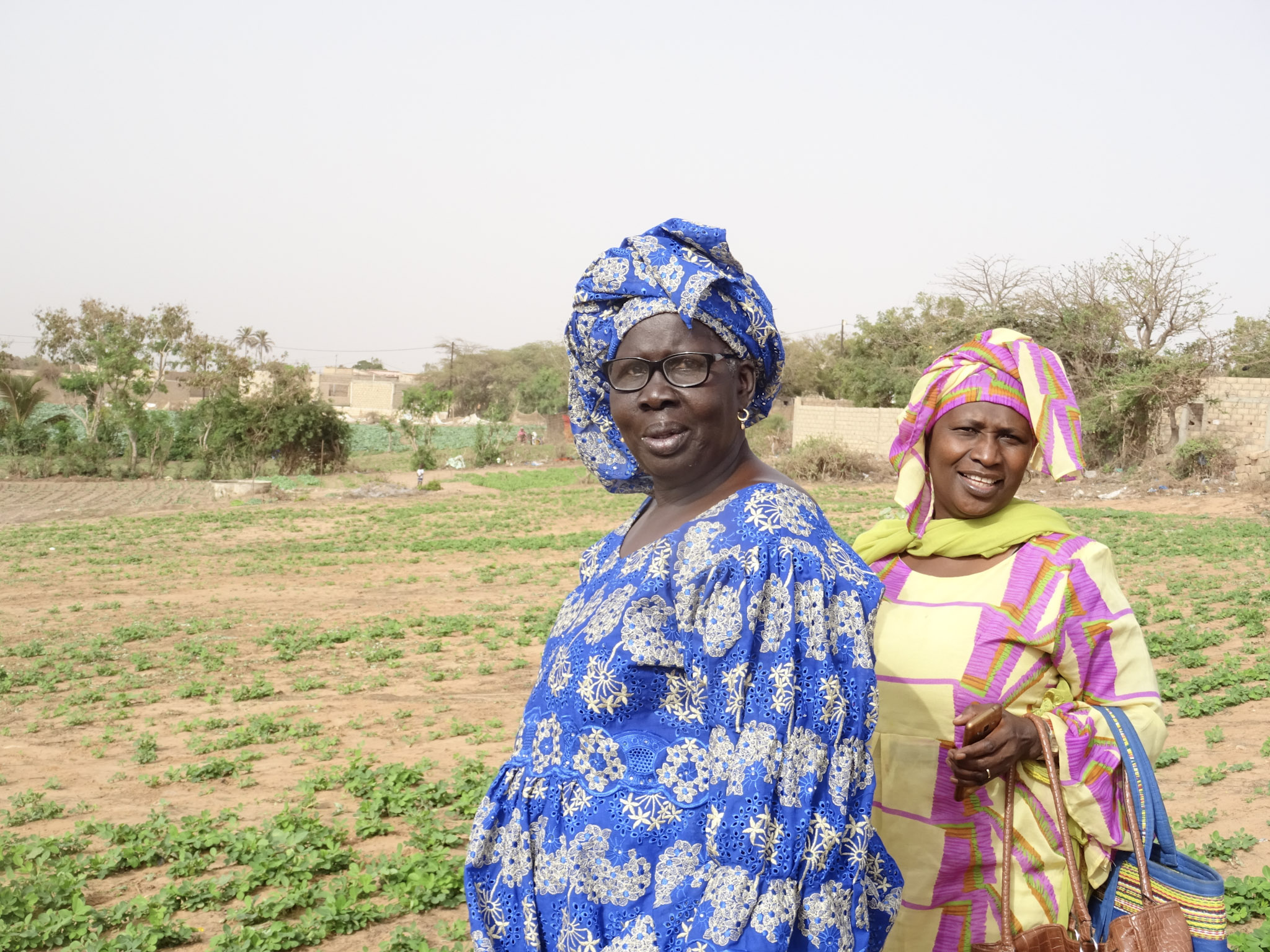
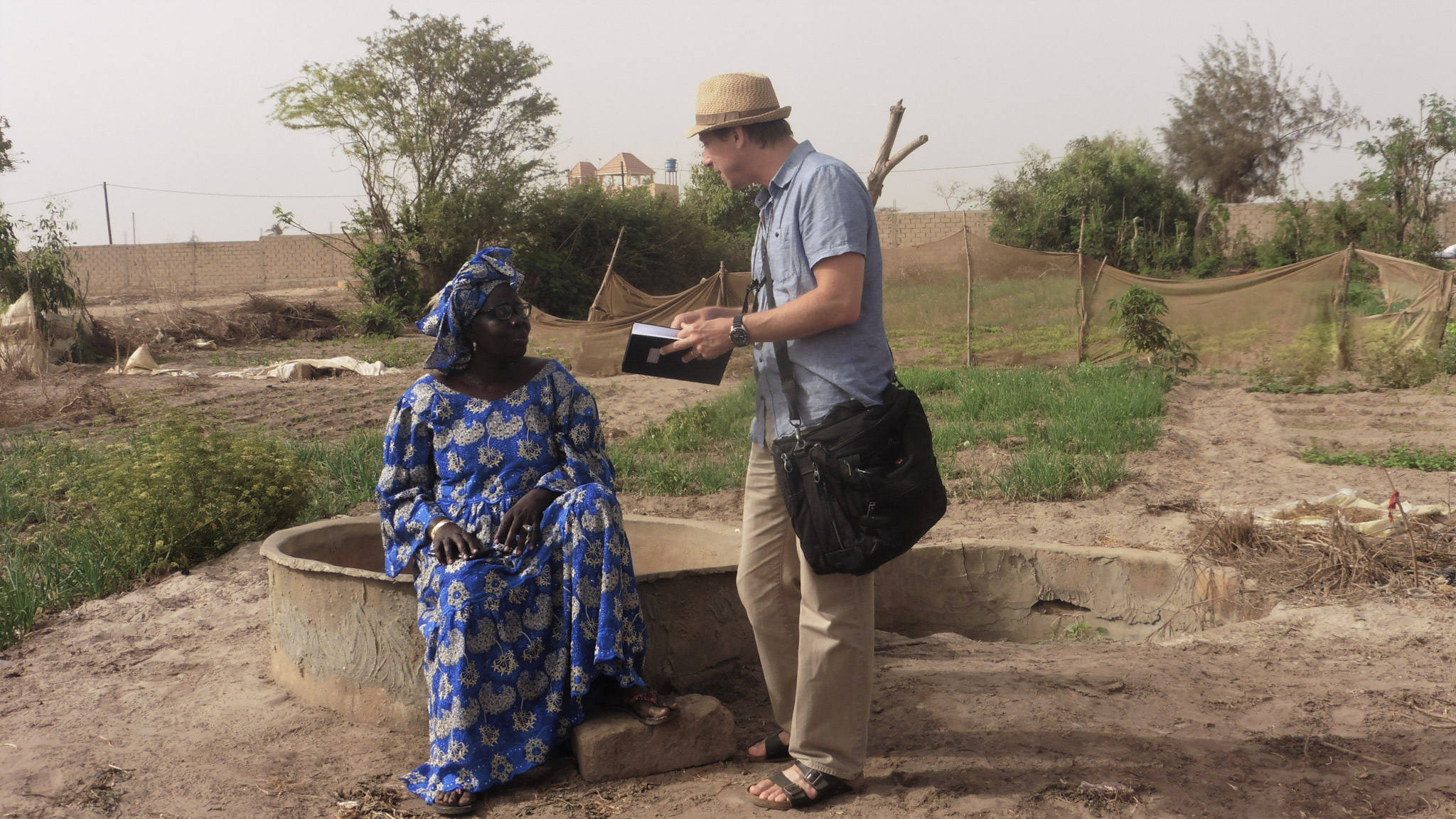
We walk the neatly planted fields as Tiné explains that once elected officials get to the city, they tend to forget rural communities. “The Rural Women’s network’s job is to help them remember rural communities and their needs.” She goes on to explain that there are issues or problems that are specific to rural women: access to health services due to the great distance that needs to be travelled; or access to education and information on women’s health. So the Government needs to be made aware of the challenges that women face in rural areas. Beyond the work on agriculture and livelihoods, the network also has campaigns on access to education and against early and forced child marriage.
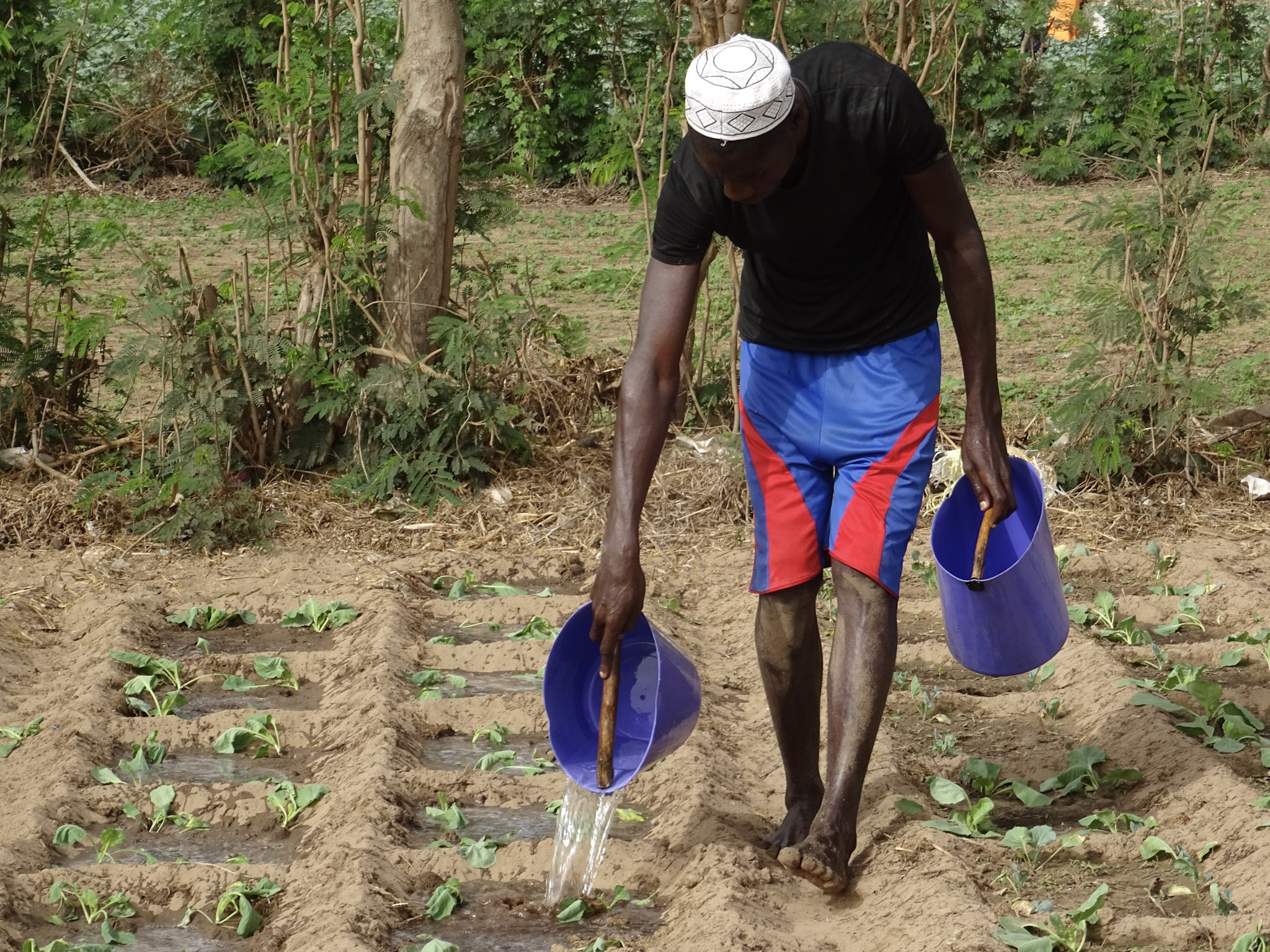
Tiné then introduces me to her son Abdulaye Deme and mentioned that he had emigrated to Spain but is back in Senegal. I asked him to share a bit of his story with me. We spoke in Spanish.
Abdulaye left Dakar eight years ago in a packed pirogue (large open canoe used by fishermen), for the Canary Islands. It was a treacherous four-day journey in the open ocean but they managed to make it.
He was in the Canary Islands for two years until he saved enough money to travel to Spain. He lived in Spain undocumented, and worked doing odd jobs. He then lived in France and Italy, again, living largely underground, with no papers, and not able to secure any employment.
Three years ago, his mother was invited to Italy to take part in an international conference on organic farming. She called him and asked him how he was. He shared the difficulties he was having, and she insisted he come back home to Senegal with her. He did. Abdulaye now farms organic vegetables, is making a good living, has since gotten married and is now a proud father of three.
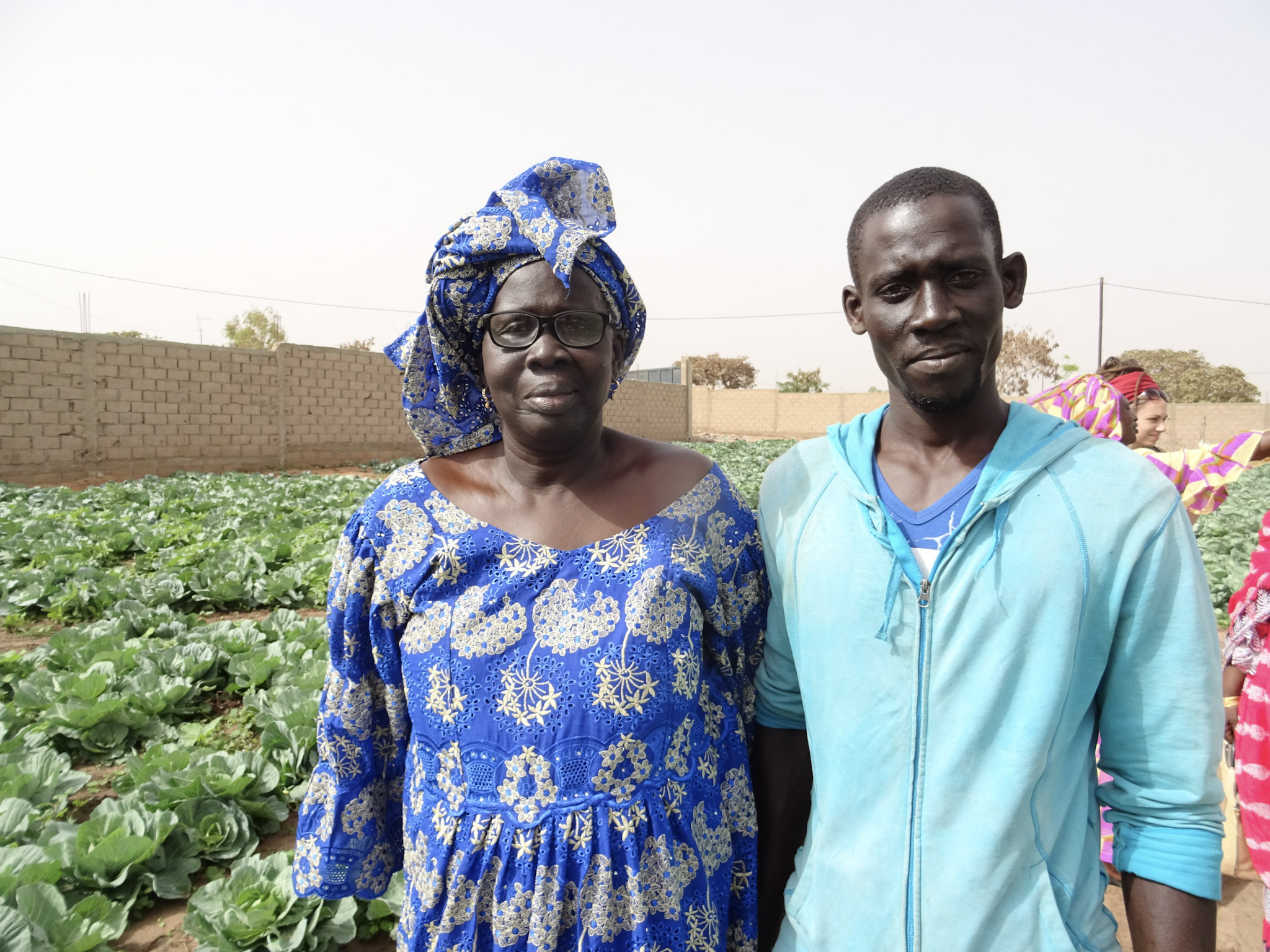
We then travel to another farm where we meet with Meuya Ka. Meuya farms a small plot of land right across from the vegetable market. She is one of 18 pionnières, women who were trained at the Maison familiales Rurales back in the late 70s – an initiative supported by French cooperants that provided training on agroecology.
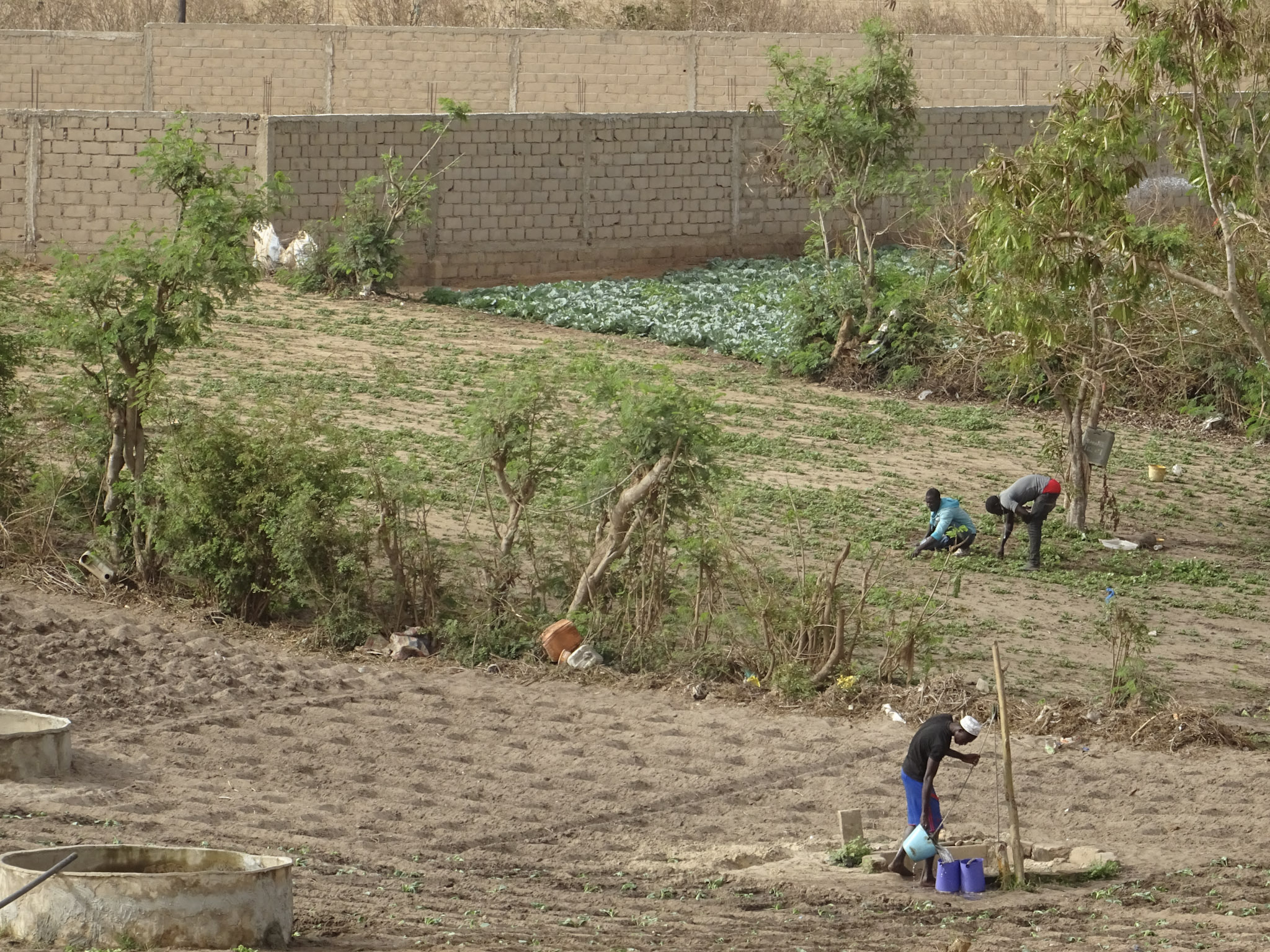
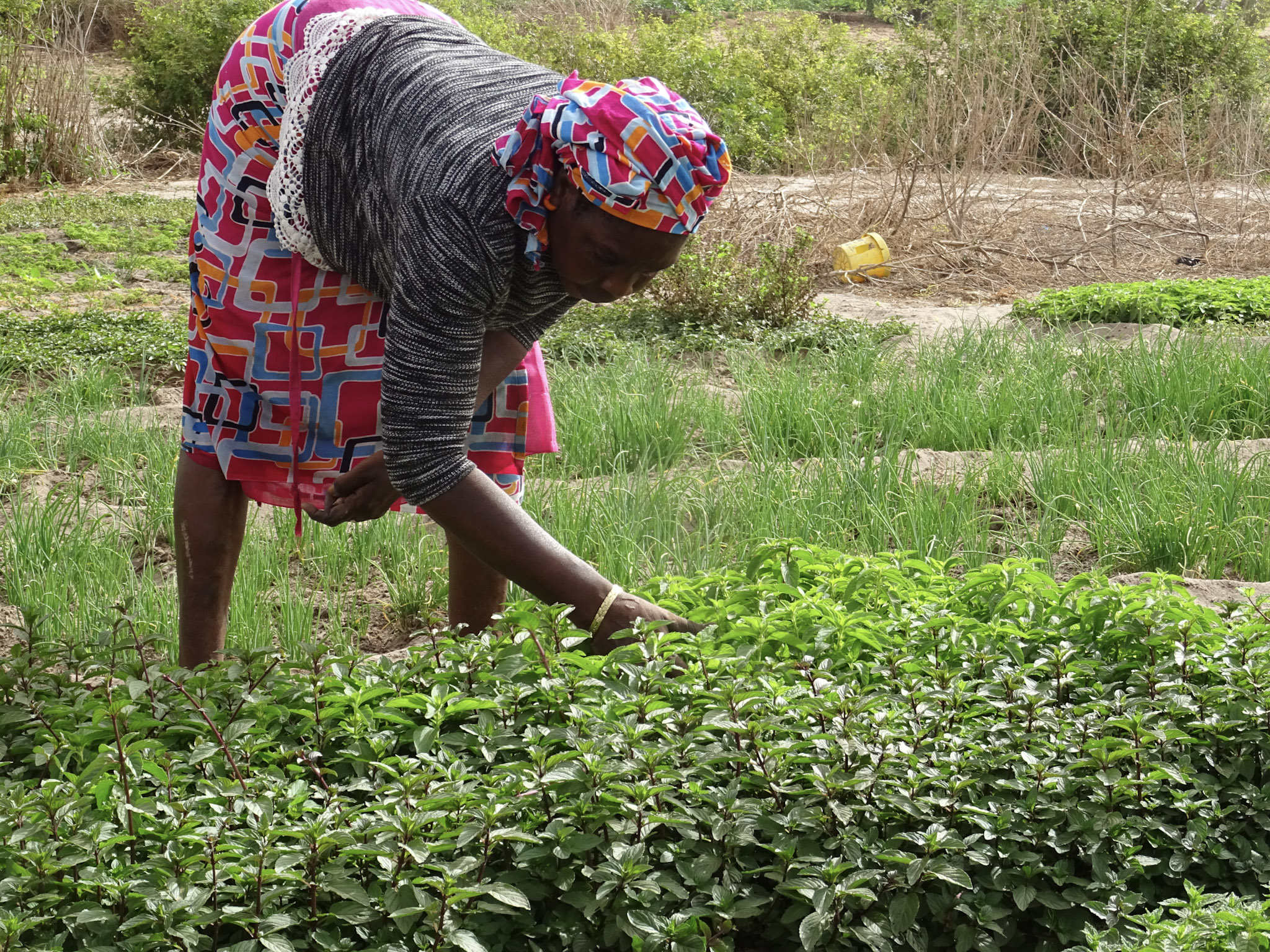
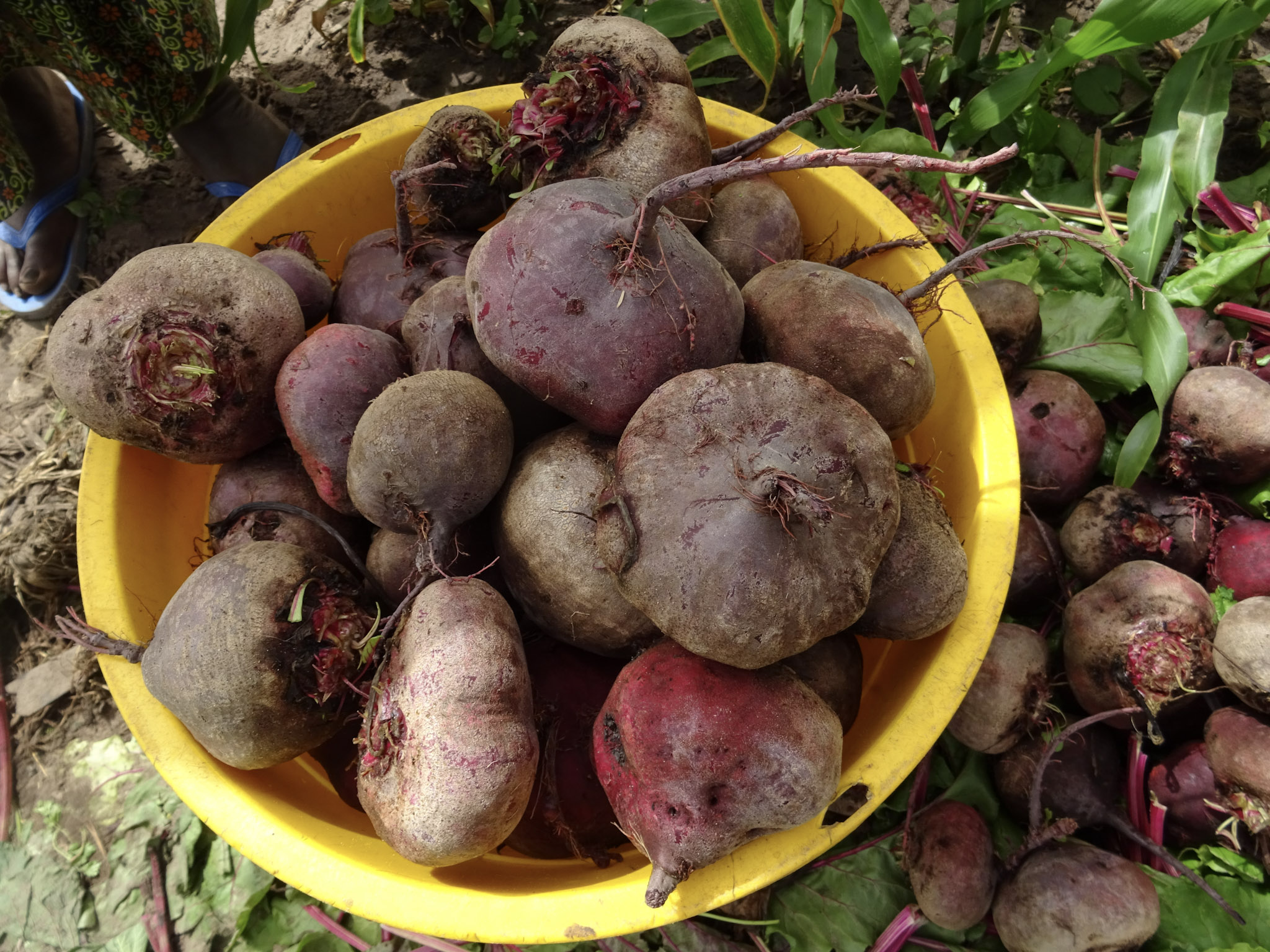
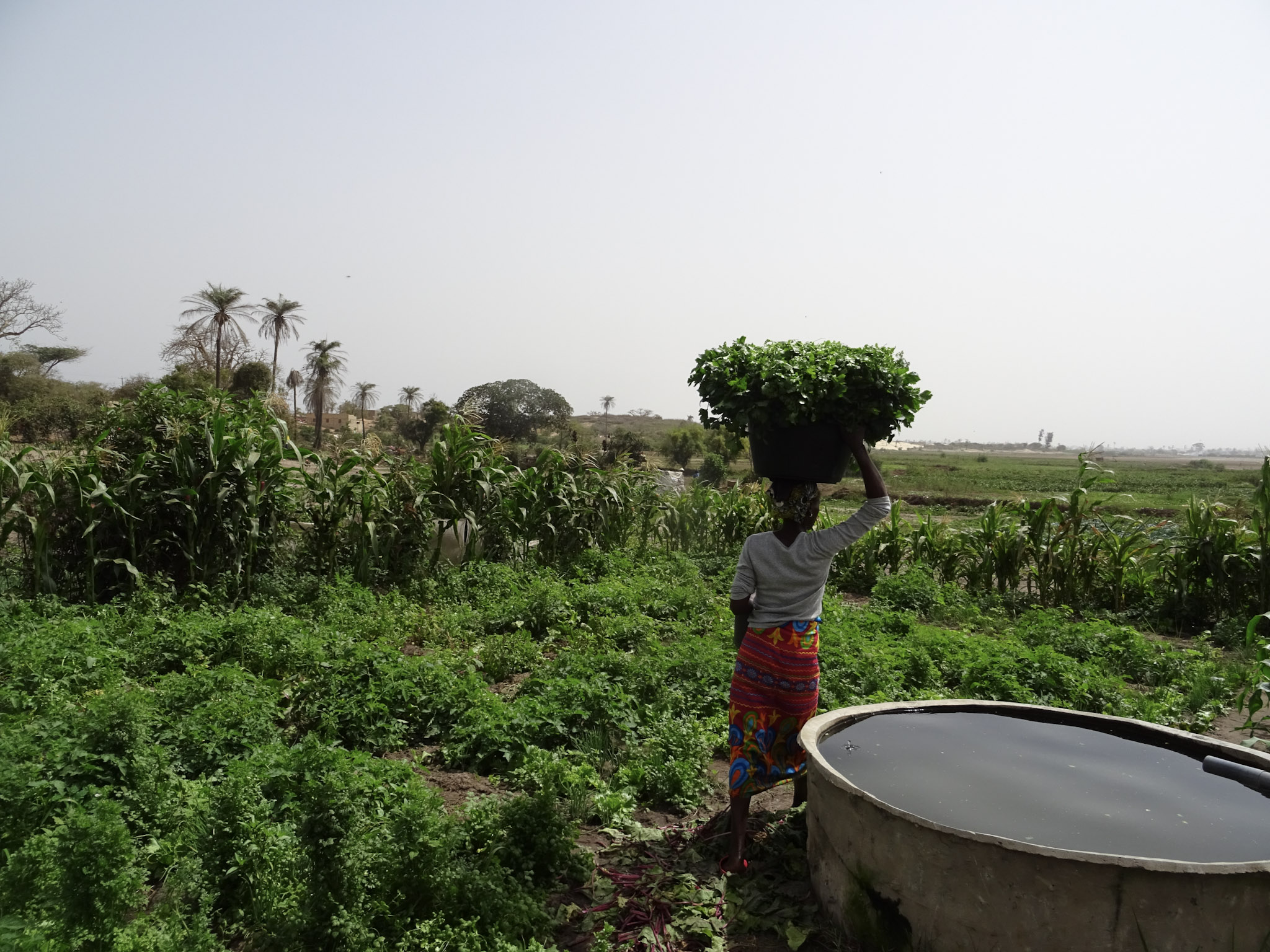
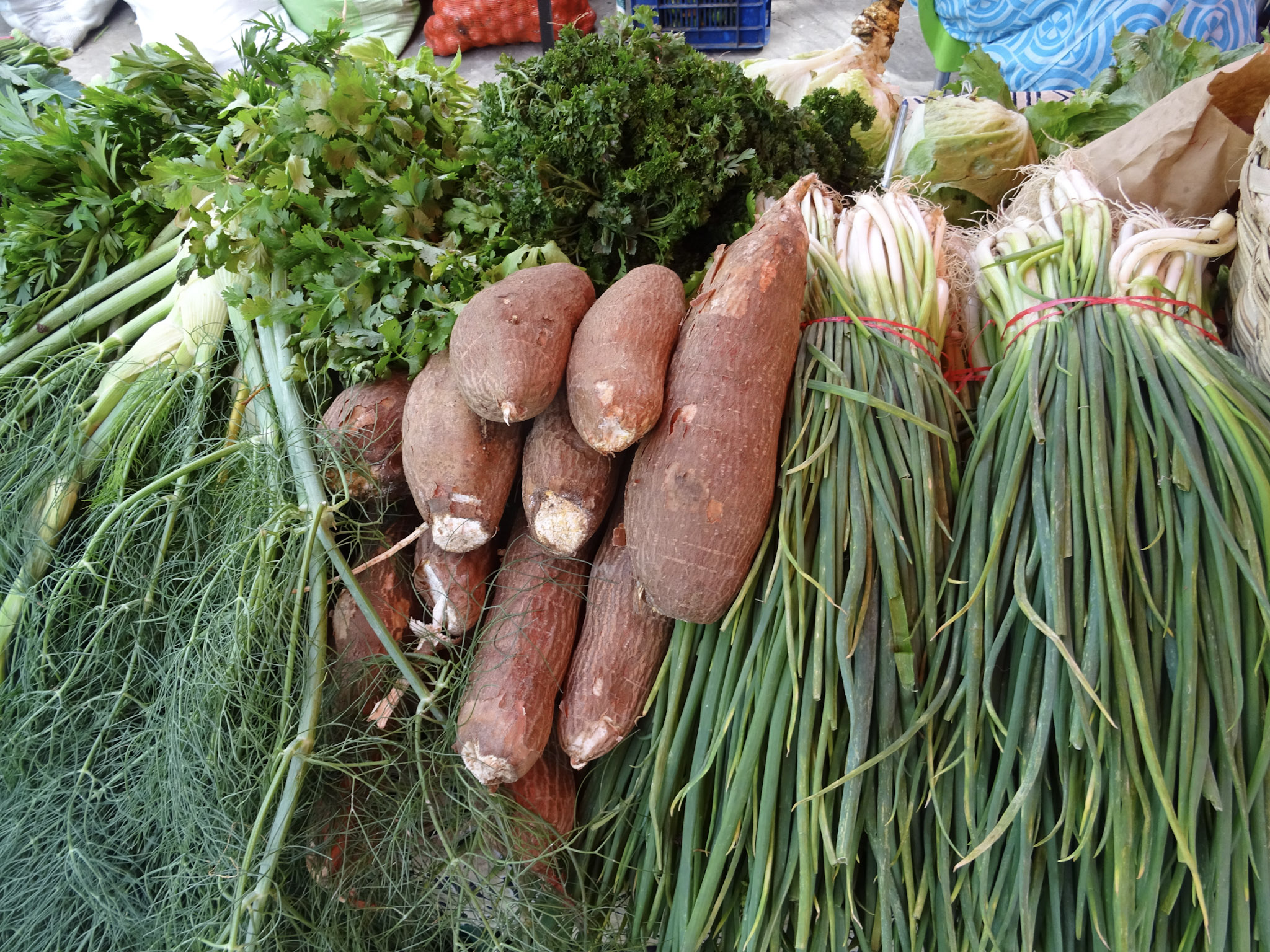
Meuya practices mixed farming, with potatoes, onions, tomatoes, cilantro, mint, fennel, fruit trees, all growing in abundance. As with Tiné, no chemical fertilizers or pesticides are used. A well in the middle of the plot offers water to irrigate the vegetable garden. Meuya is also a seed saver and multiplier for tomatoes, potato and onions. Her farm is often used as a champ école – literally, a field school where Meuya and agronomists working with ENDA Pronat train farmers on various agroecological methods.
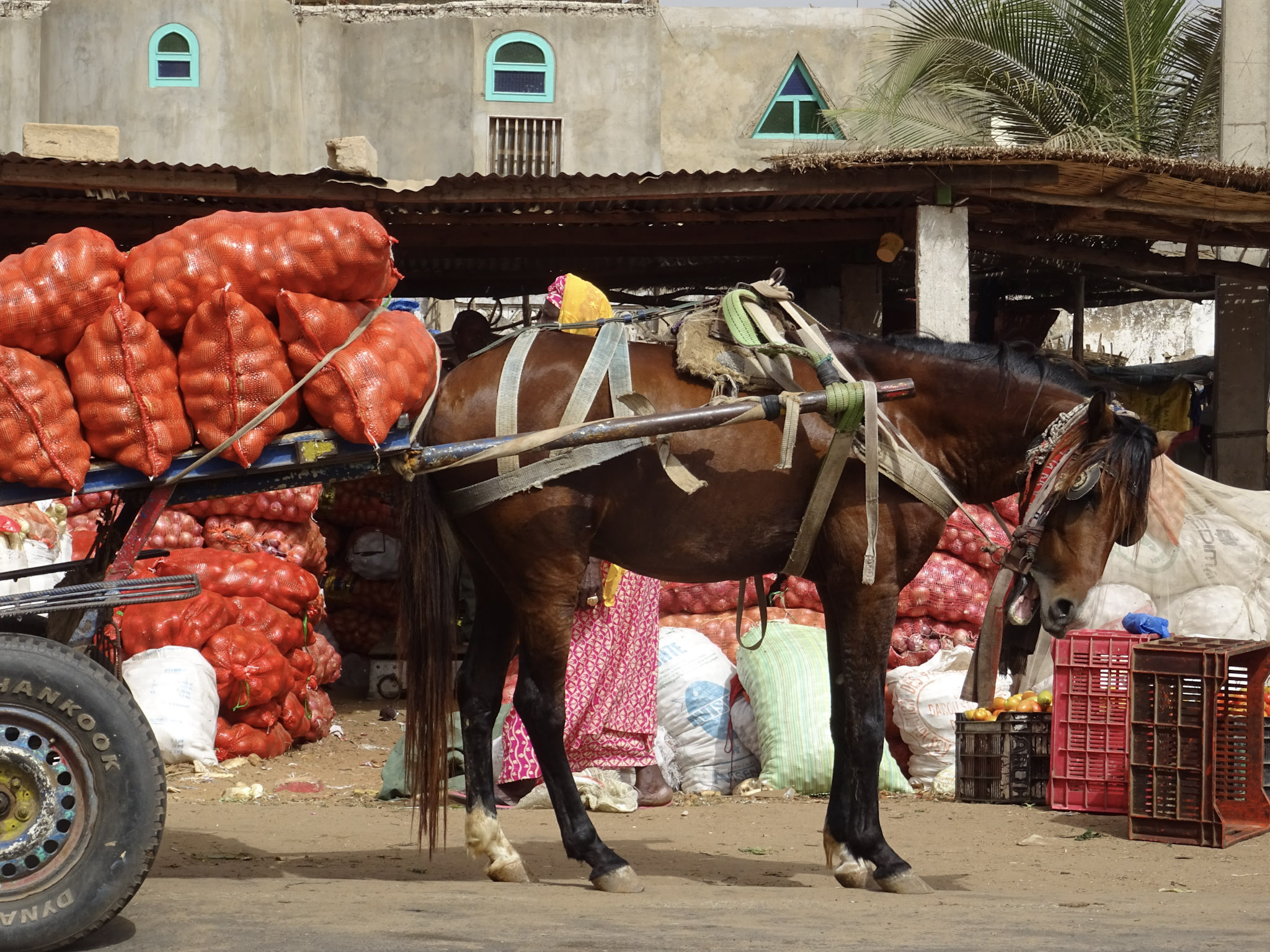
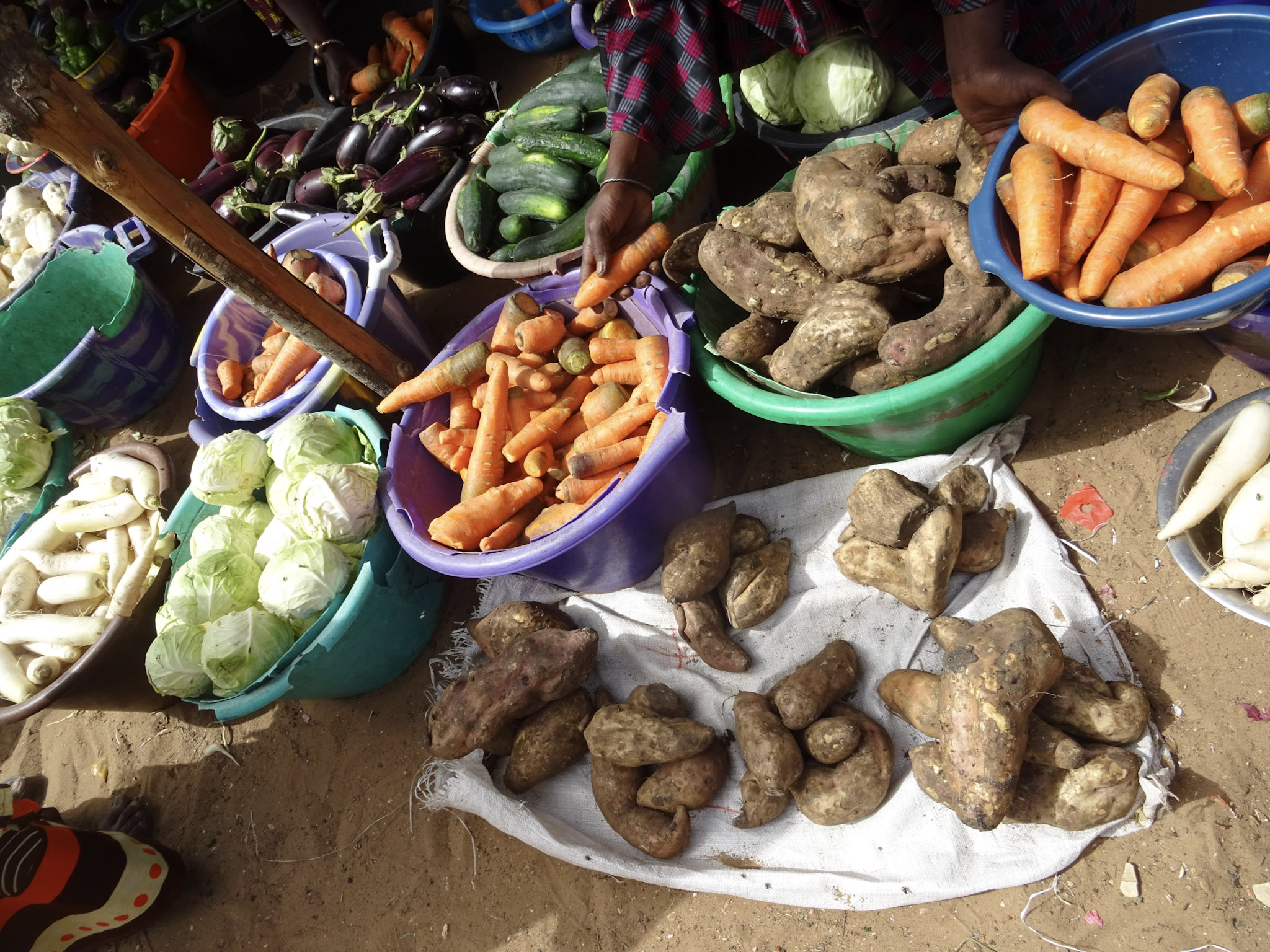
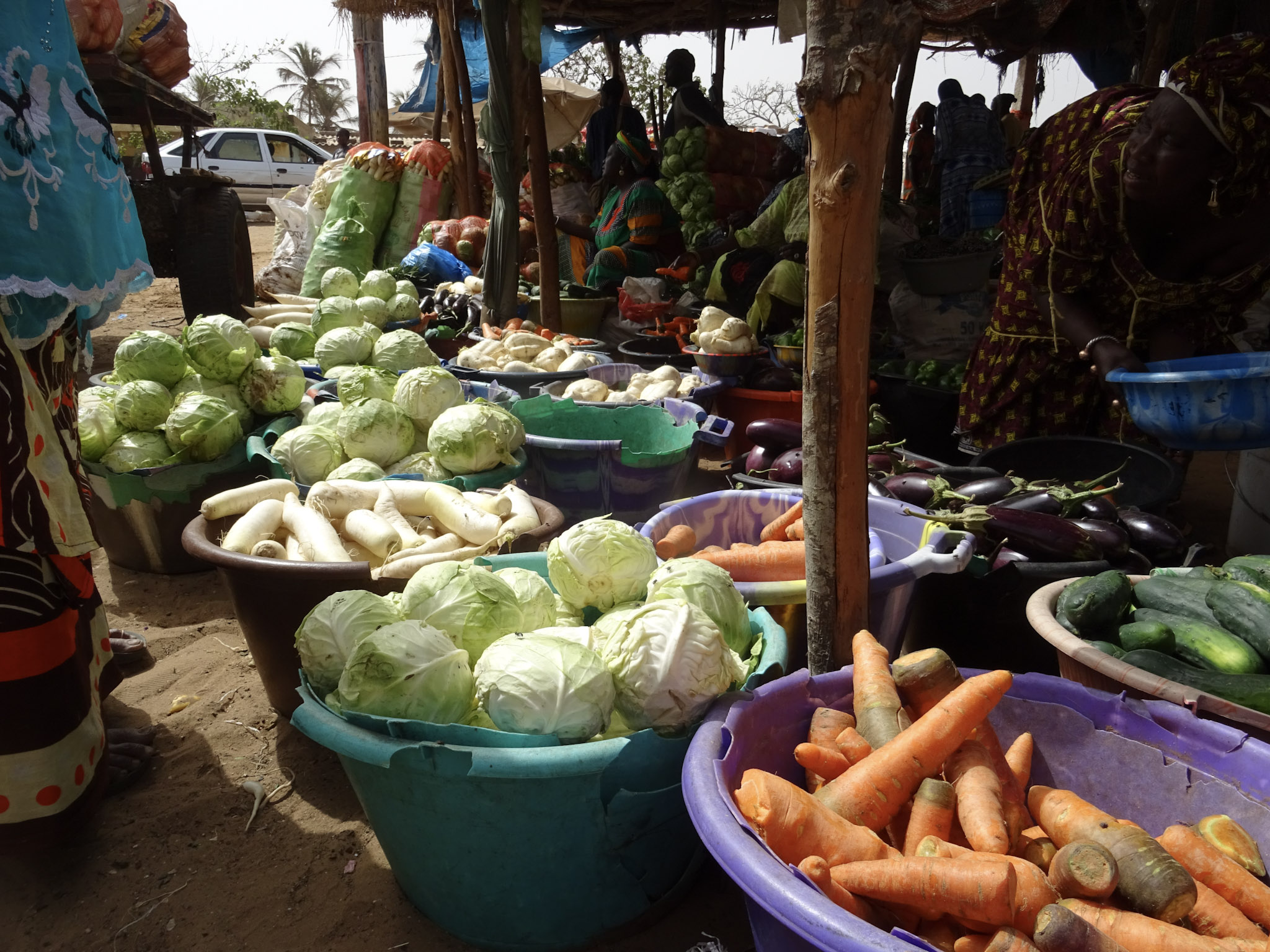
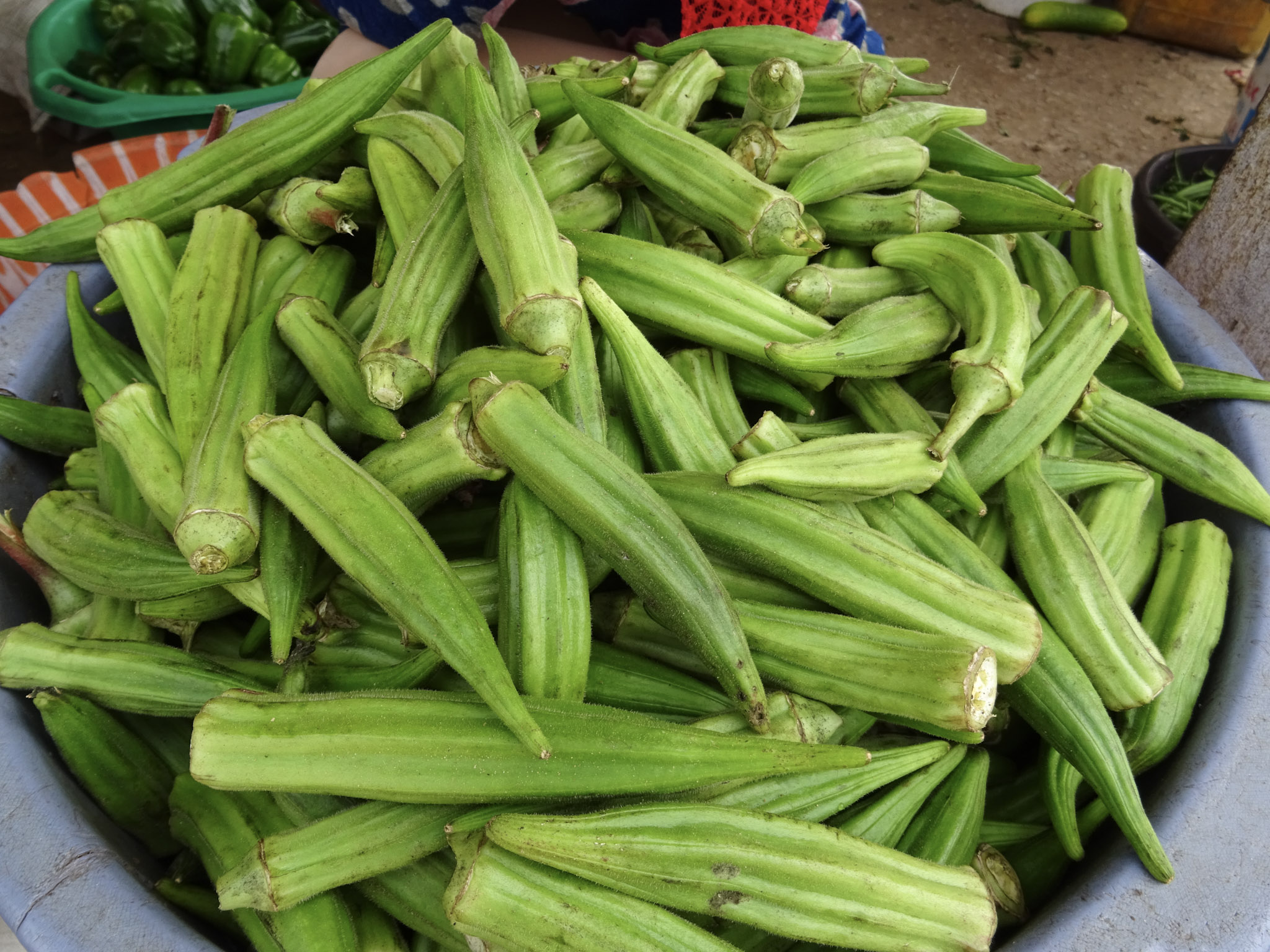
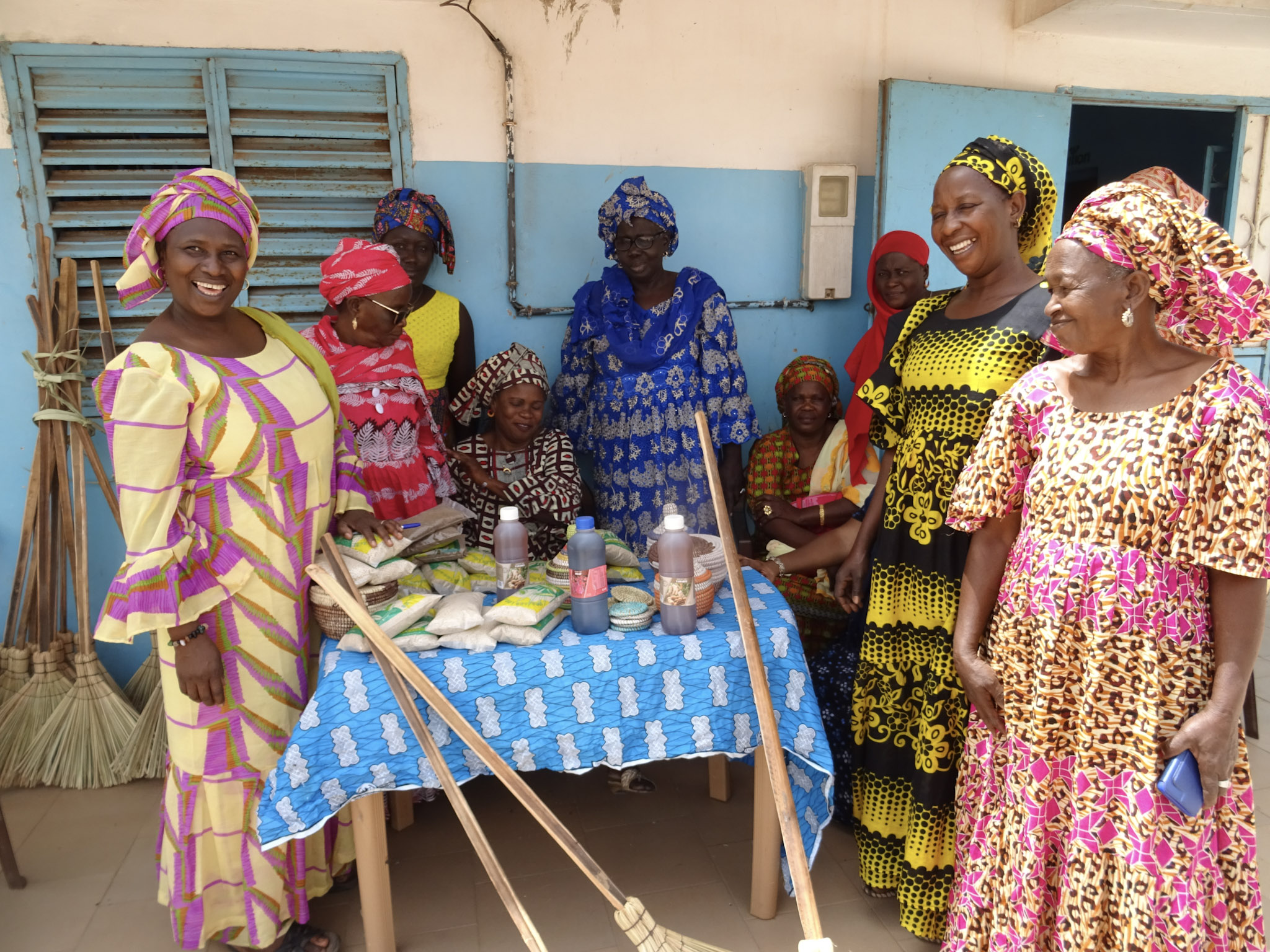
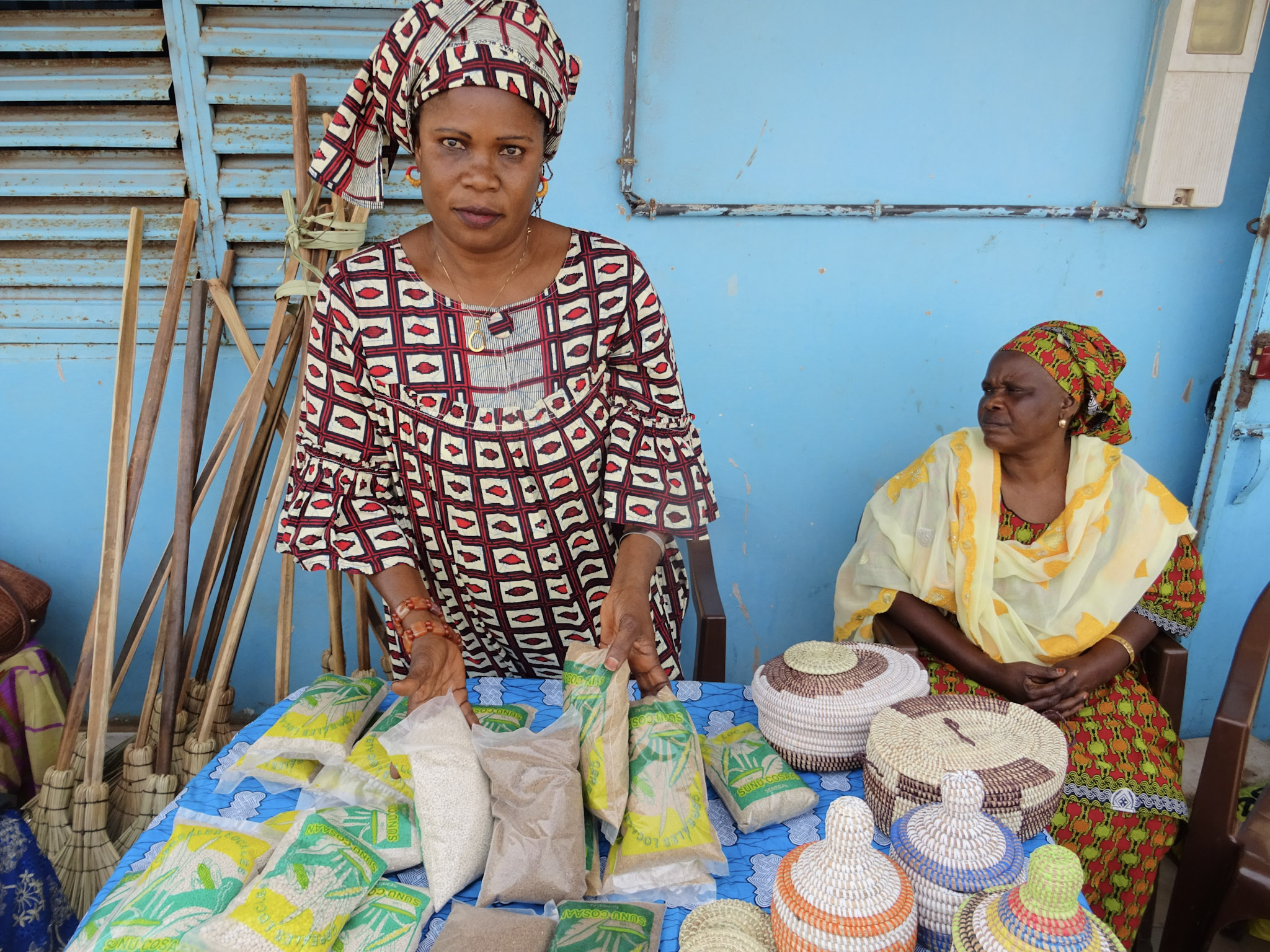
From there, we go to the Unité de transformation et d’exposition de produits alimentaires et artisanaux a local food processing and demonstration centre for produce and artisanal works, operated women.
The centre is run by the Rural Women’s network. There is a sister centre further North equipped with a millet processing unit for local grains. This centre mostly processes fruit (for fruit juice and syrups), and for making woven baskets and other handicrafts from rônier (palm leaves). There are approximately 40 groups of women from the surrounding villages and towns that use this centre to process their produce which finds its way to one of three organic farmers’ markets that ENDA Pronat helped establish in Dakar.
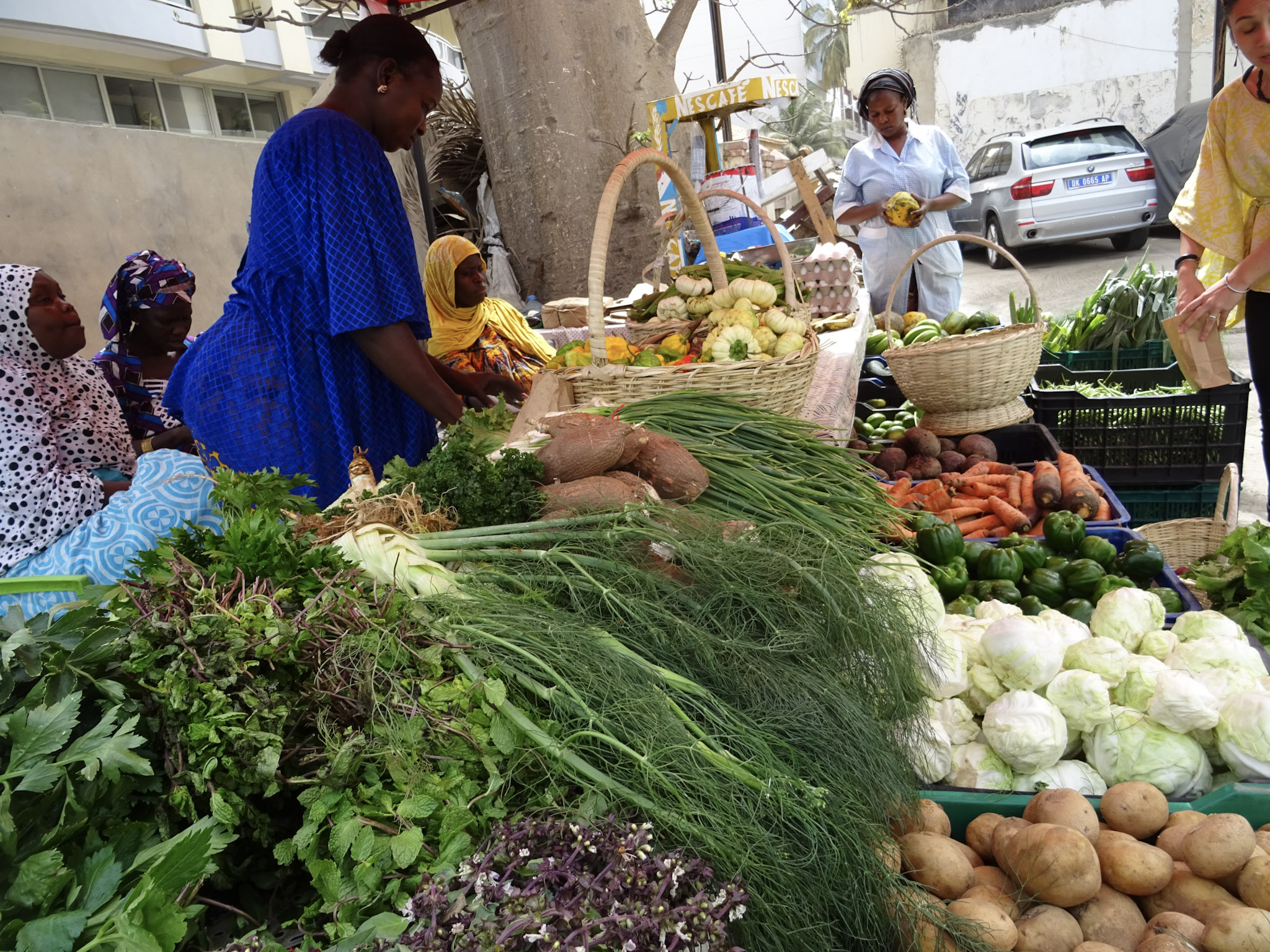
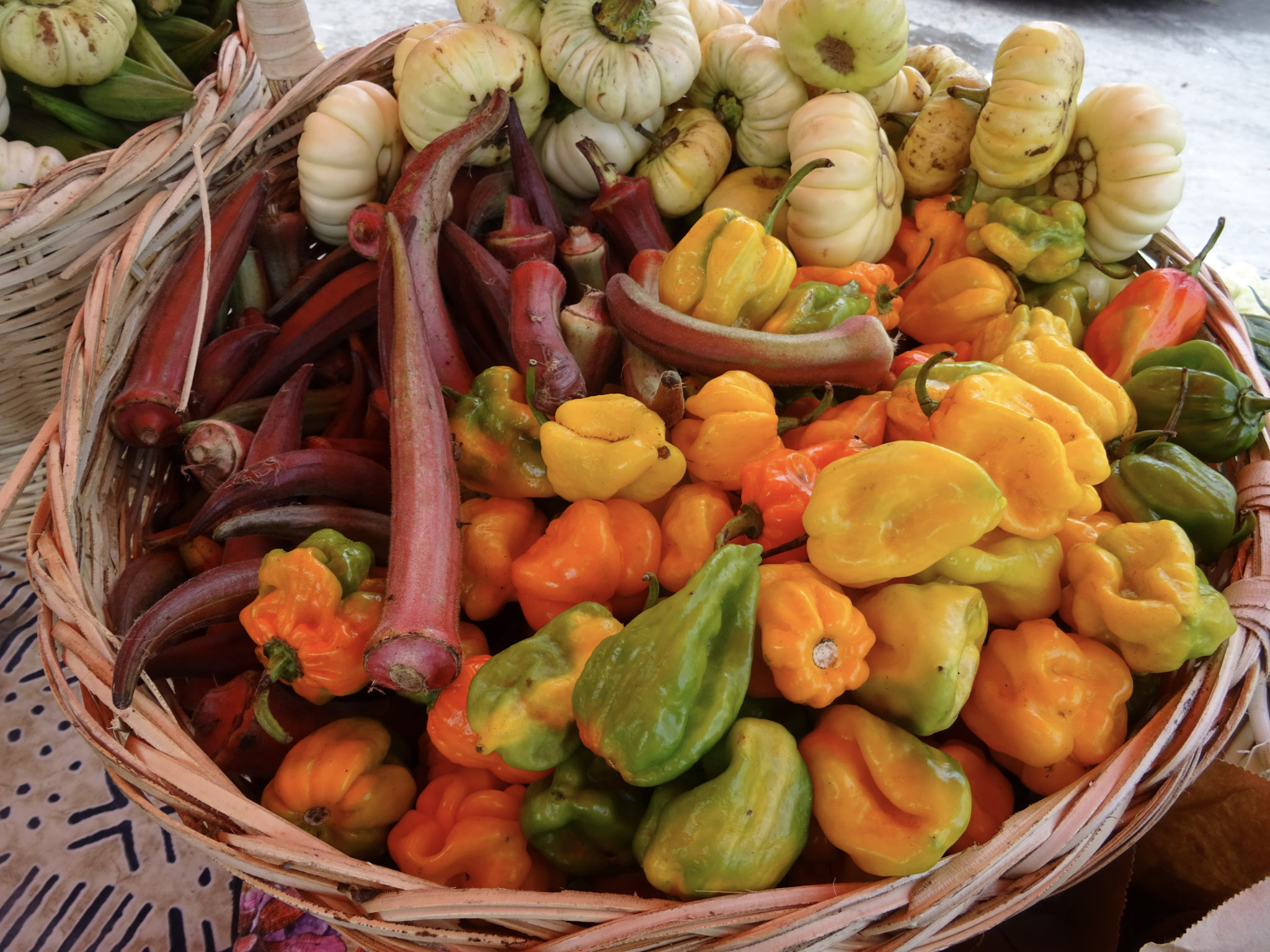
Sell Sellal, is a farmers’ cooperative that runs farmers’ markets in downtown Dakar. All the produce is fresh and organic, and comes from nearby farms. There are three of these markets so far, where 100 market gardeners sell their produce.
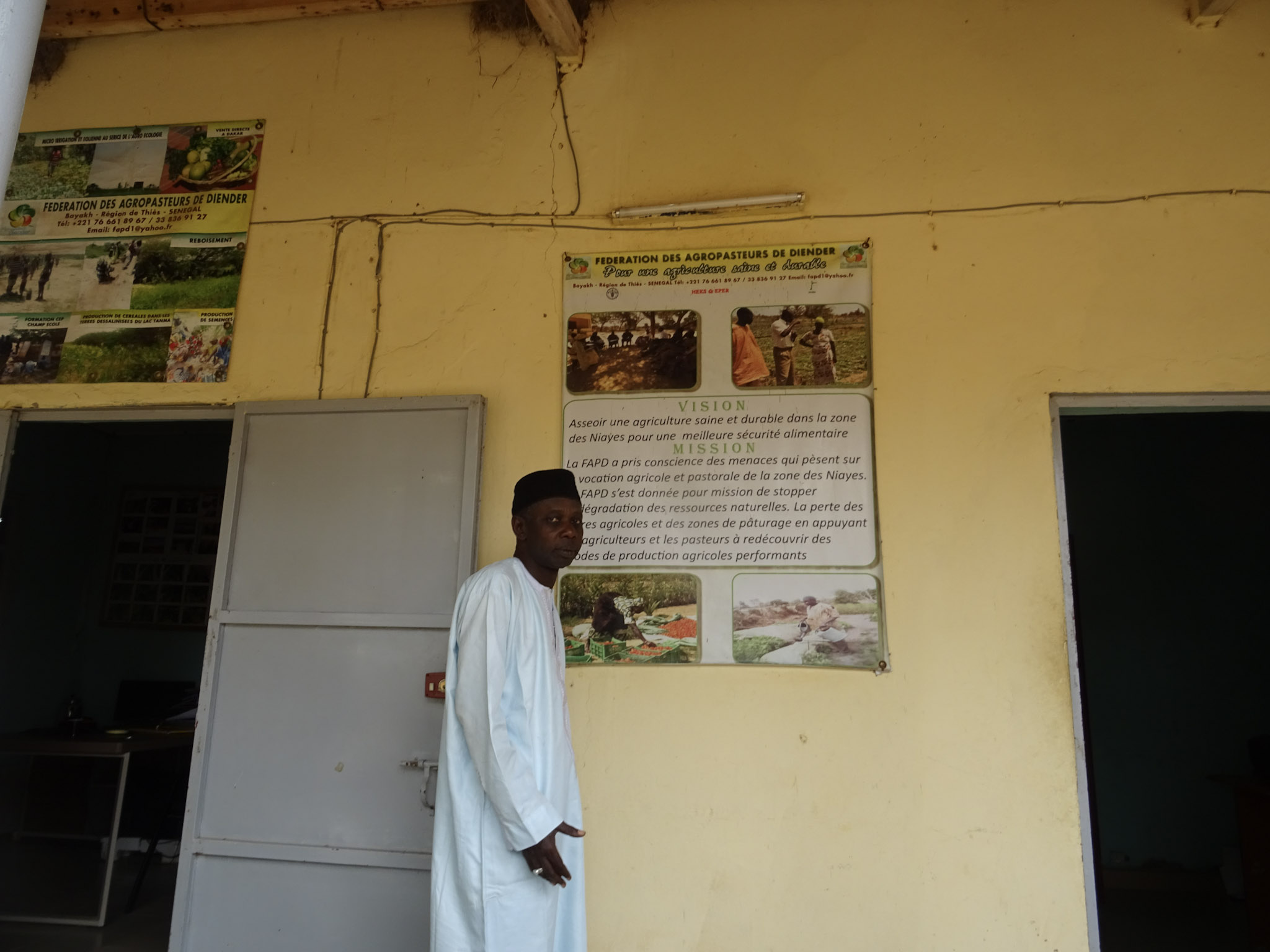
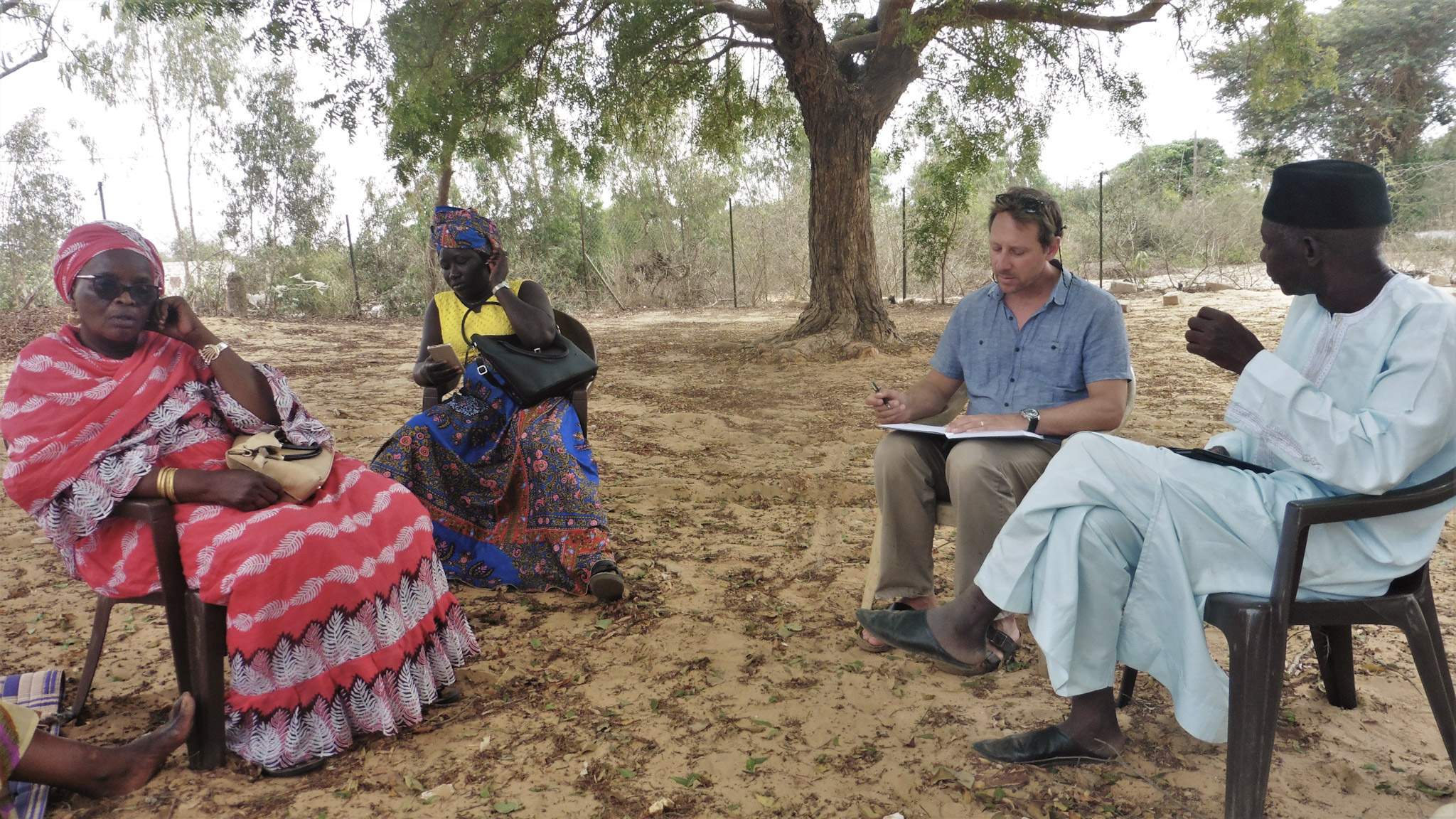
We leave the centre to visit the Fédération des agropasteurs de Diender. This is a federation of pastoralists and farmers (men and women) that are also members of the the Rural Women’s network. Under the comfortable shade of a large tree we discuss some of the main issues in the region. There is a lot of land speculation and urban sprawl.
While Diender is over 65 km away from Dakar, it is feeling the effects of burgeoning Dakar and property is in high demand. The area is also being drained of its freshwater, with wells and pipelines drawing down the water table, to satisfy an ever thirstier Dakar. The members of the federation point out that while water is being extracted from their lands, there is no compensation for local communities “not even a fire hydrant or a well has been built” as one member points out.
The land speculation has also meant many families selling their lands for “emigration.”
“They sell their lands to send their sons to emigration (to Europe). But if emigration fails, and the son comes back, he has no land to live off of,” explains Matar Ndoye, president of the Federation.
From Diender, we travel to the coast and go to one of Dakar’s main fishing ports. The area is filled with hundreds of fishing boats (pirogues). I learn that this is where Abdulaye boarded a pirogue eight years ago, and that just last night, another pirogue filled with migrants left the port. I notice the large swell off the coast – and am struck by how precarious these pirogues must be, packed with people, in the open ocean.
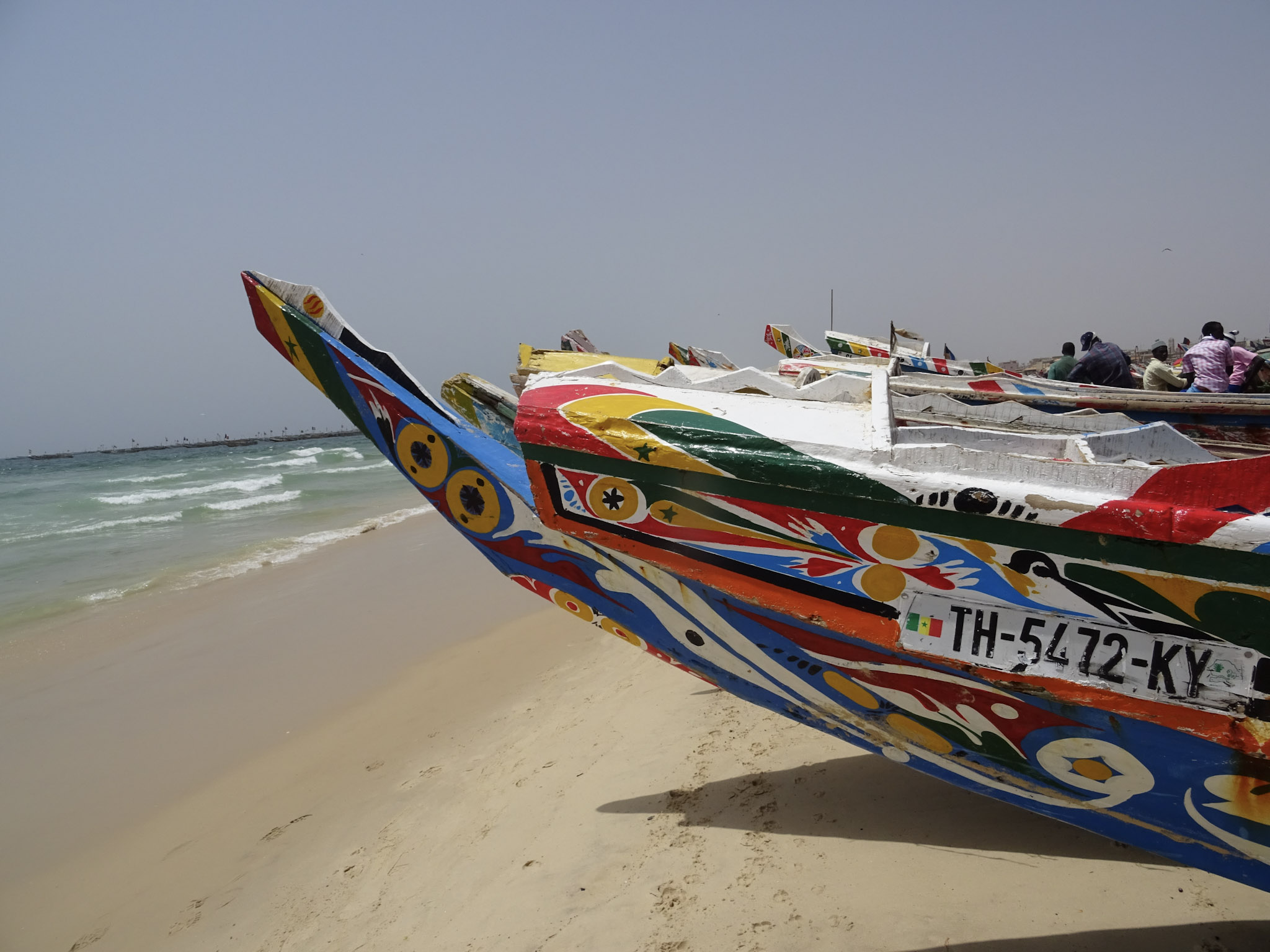
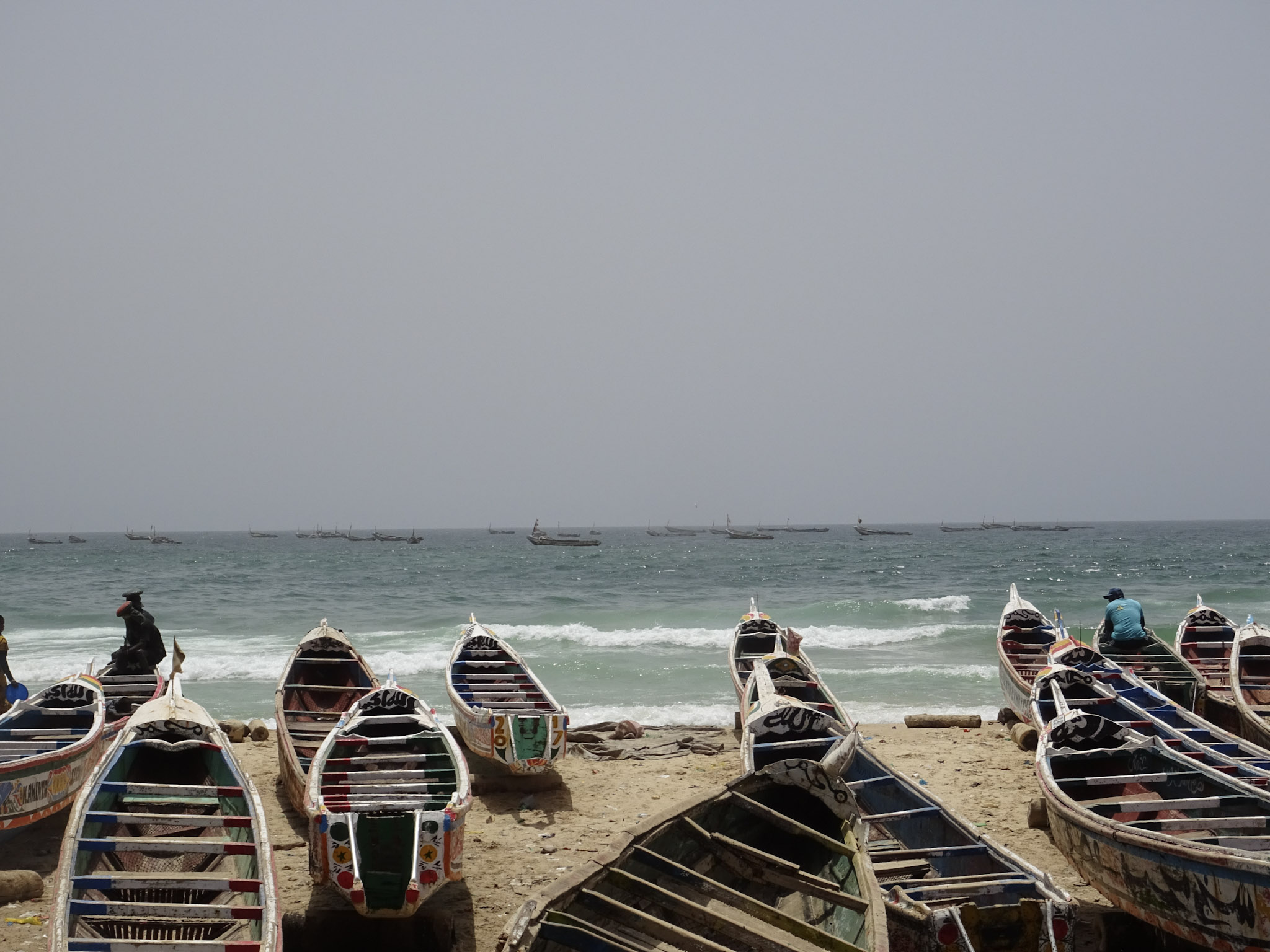
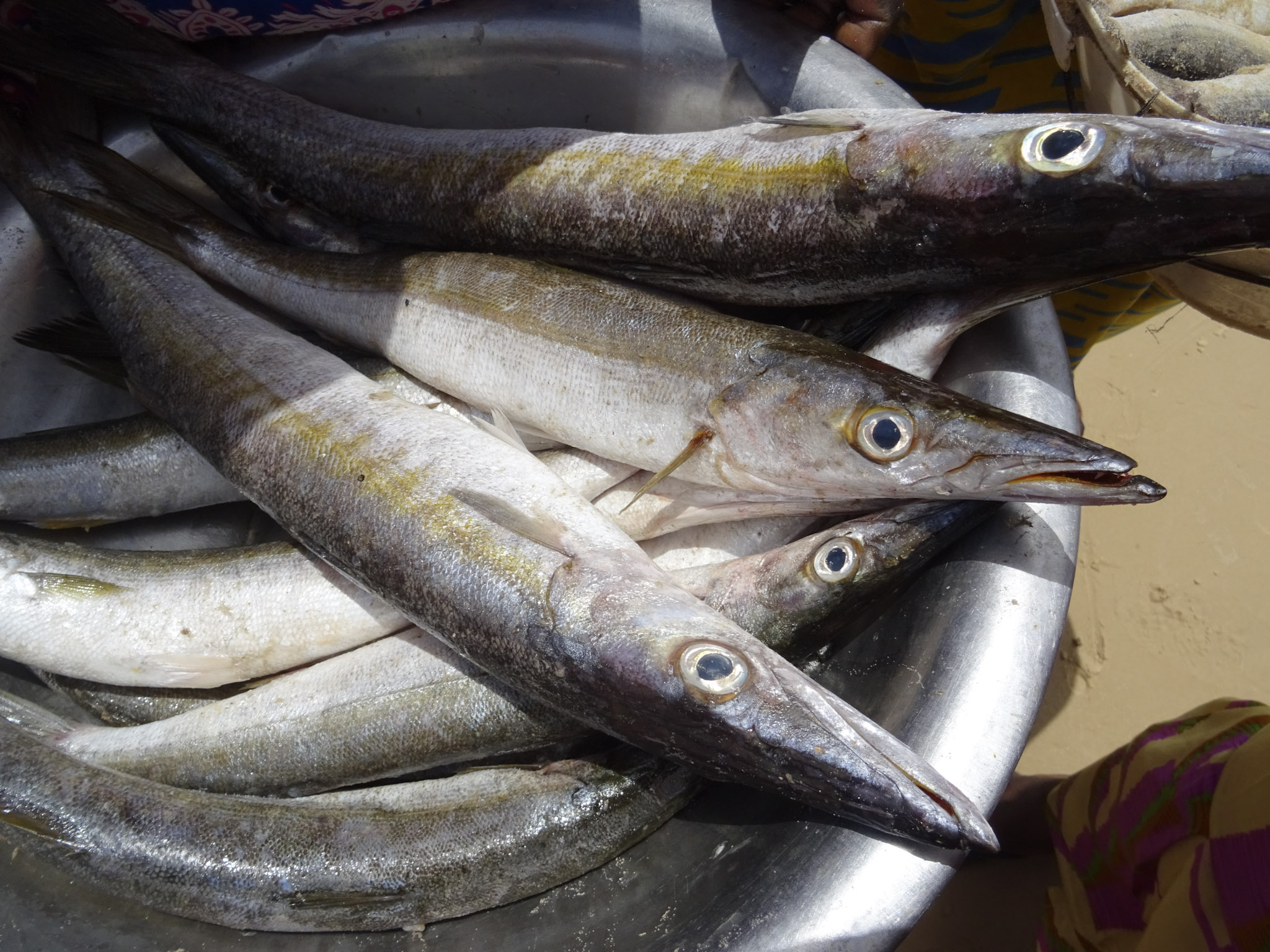
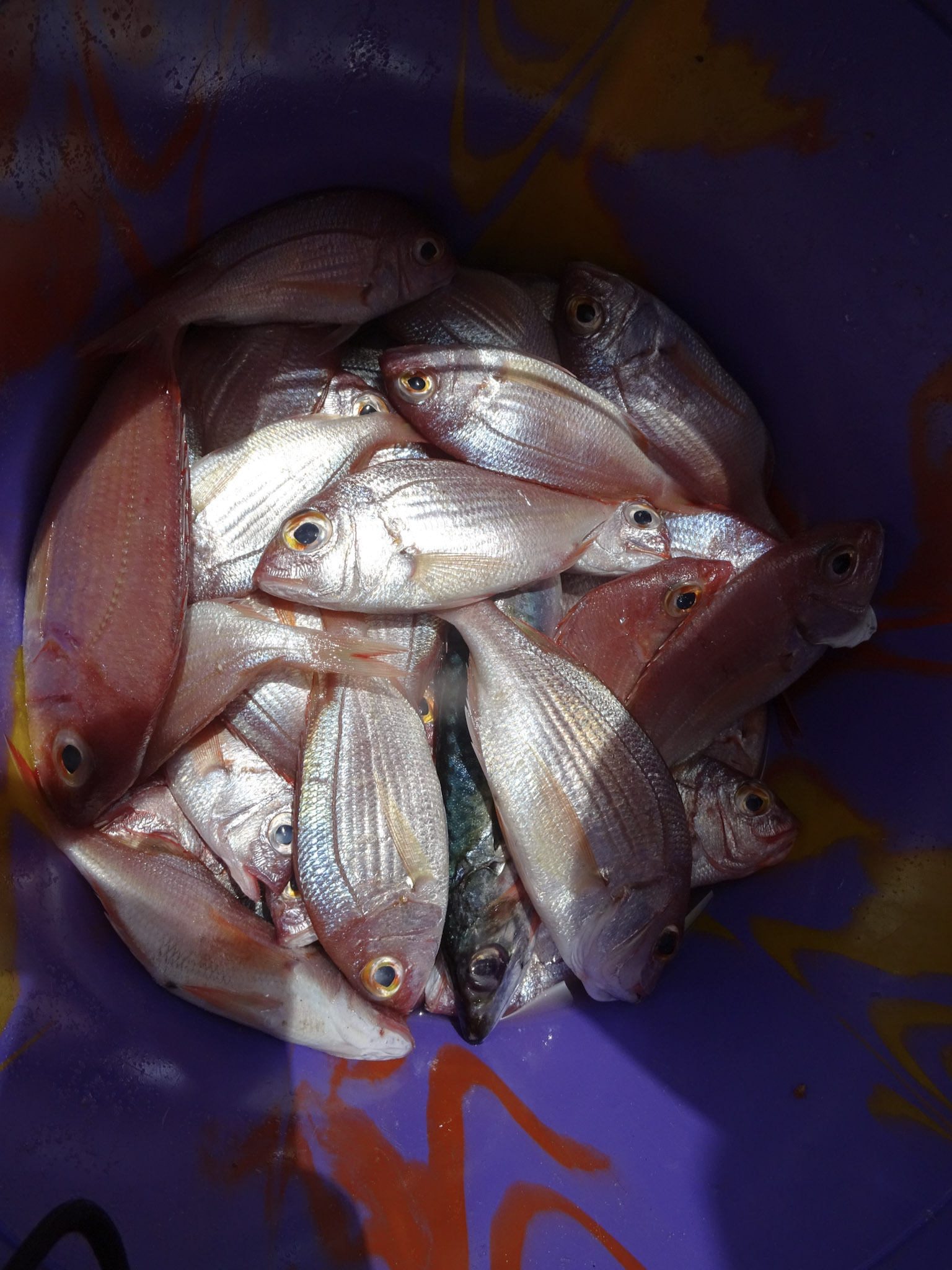
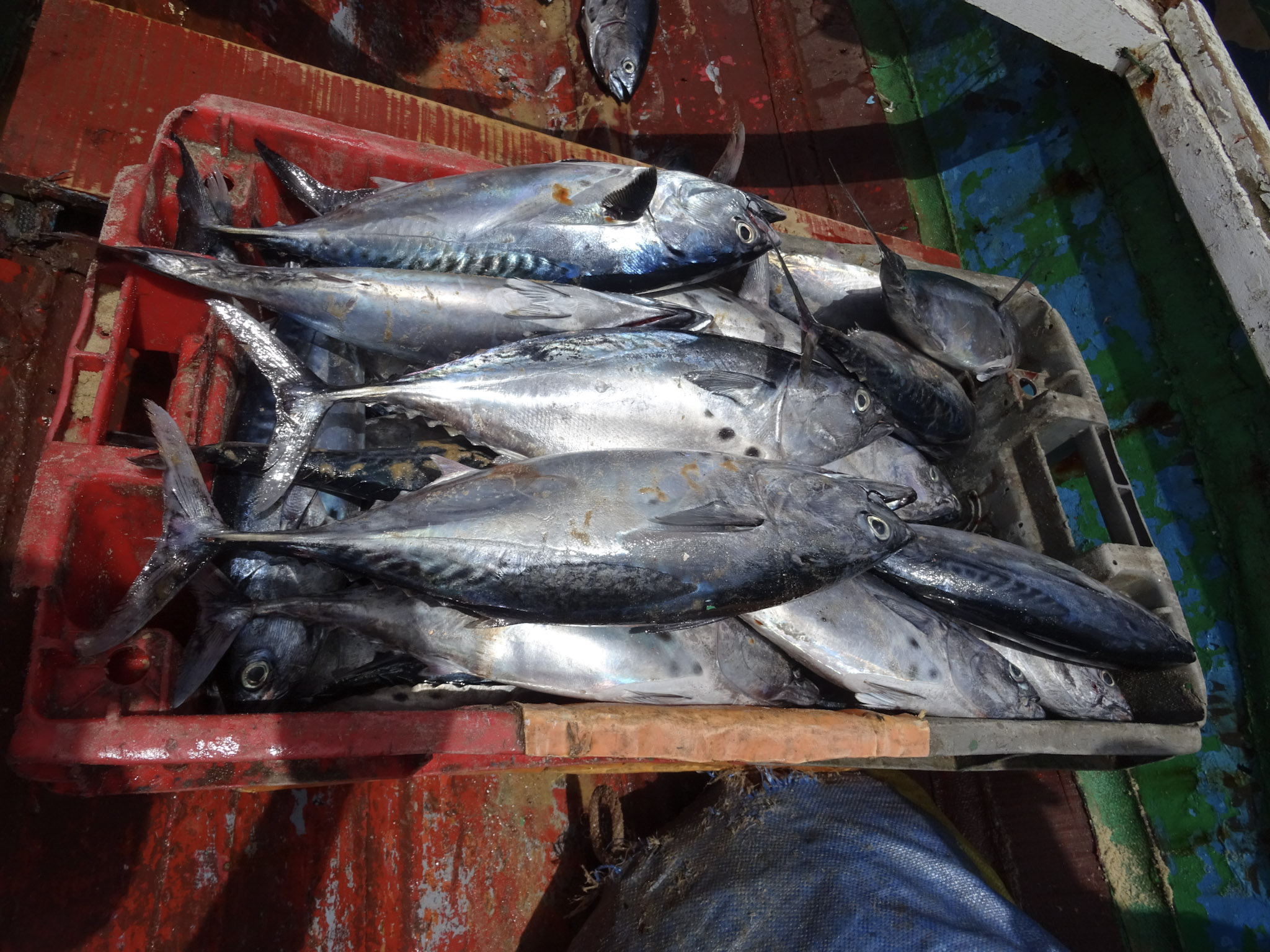
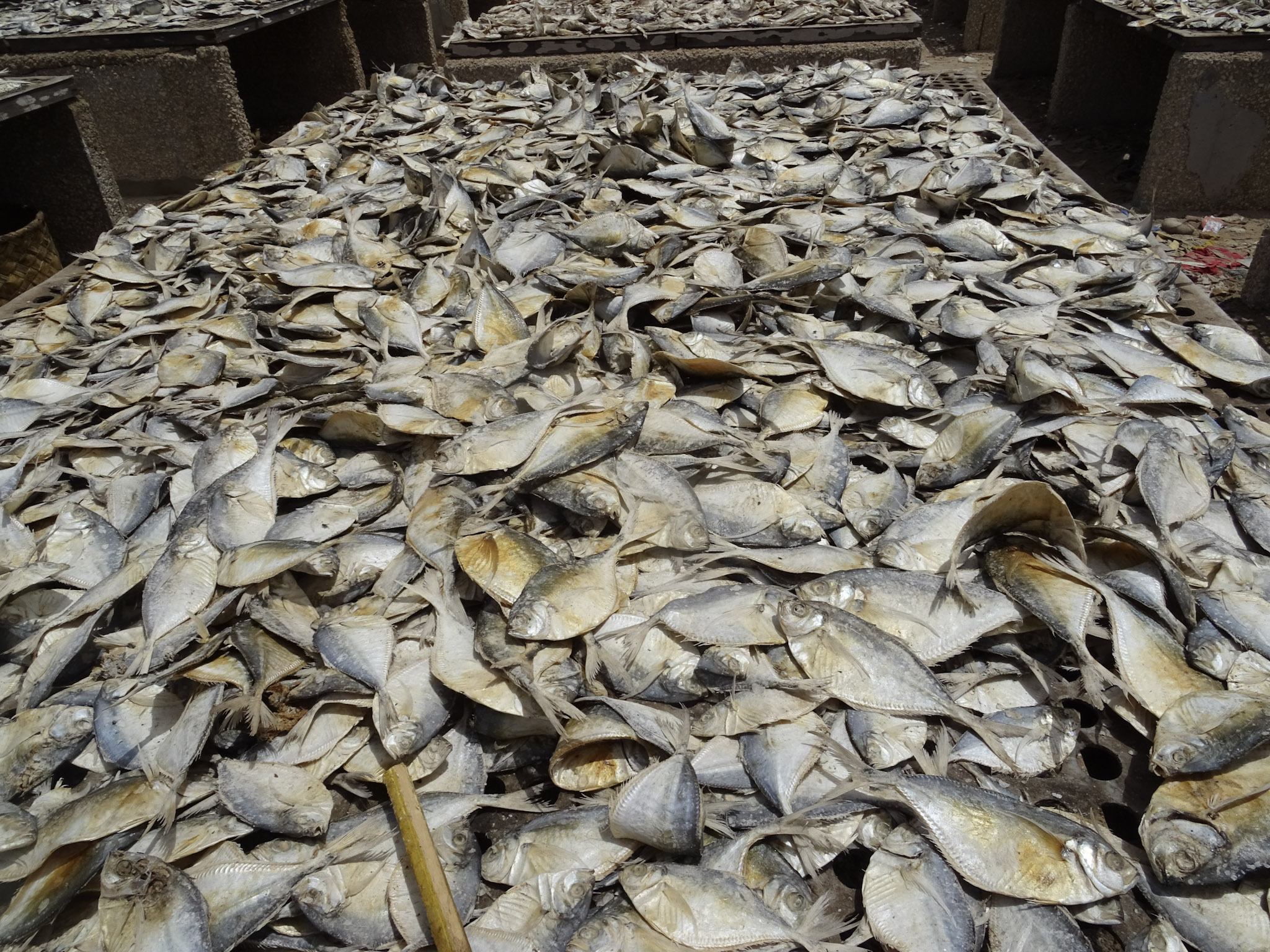
The pirogues come back filled with fish. Brochet, white tuna, grouper. While the men go out to fish, the transformatrices de poisson busily clean the catch and salt or smoke it and then sell it. We walk to where the fileted fish is laid out and salted for drying in the sun and chat with some of these women who are also part of the Rural women’s network.
The following day, I meet with Mariam Sow, the Executive Secretary of ENDA Pronat. Mariam was born in the town of Guédé, in the Senegal River valley. Her family are agro-pastoralists and so the connection to the land is deeply meaningful to her. This comes across right away as we first meet and she launches into a passionate plea for supporting farmers and agroecology.
“To counter the exodus of youth, we need to interest them in agroecology. It is possible to live well from the land,” says the mayor and president of REVES.
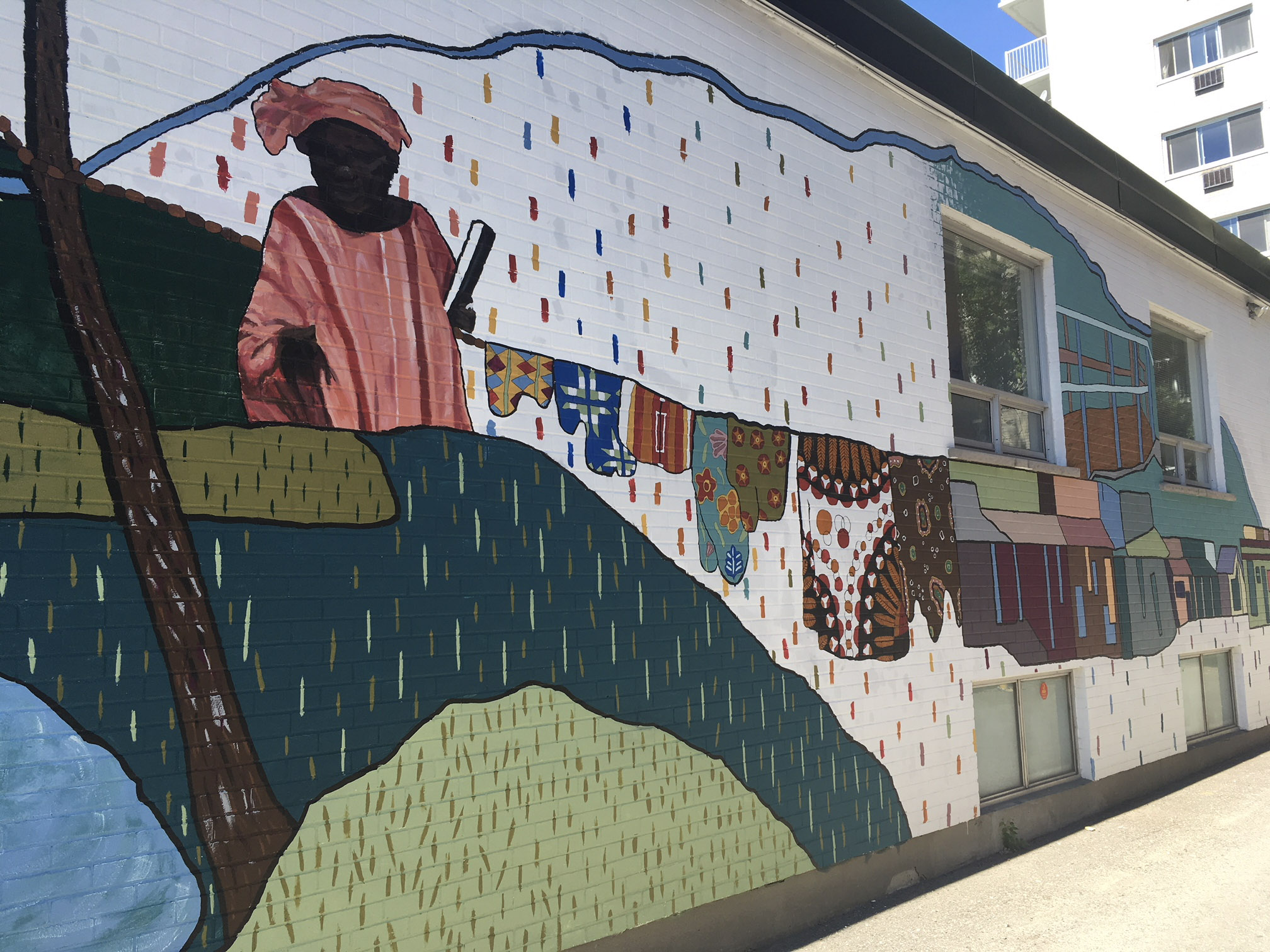
These words ring true as I think back to Abdulaye, and to the many rural women that I had the chance to meet on this visit to Senegal. On my first day back at the office in Ottawa, I notice students putting the finishing touches on a mural on the side of the building. In the centre of the mural is the portrait of Tiné. Inter Pares provided hundreds of photos to students from De La Salle Public High School to choose from. I am happy to see the portrait of this dynamic rural woman adorning our building.