

September 1, 2026
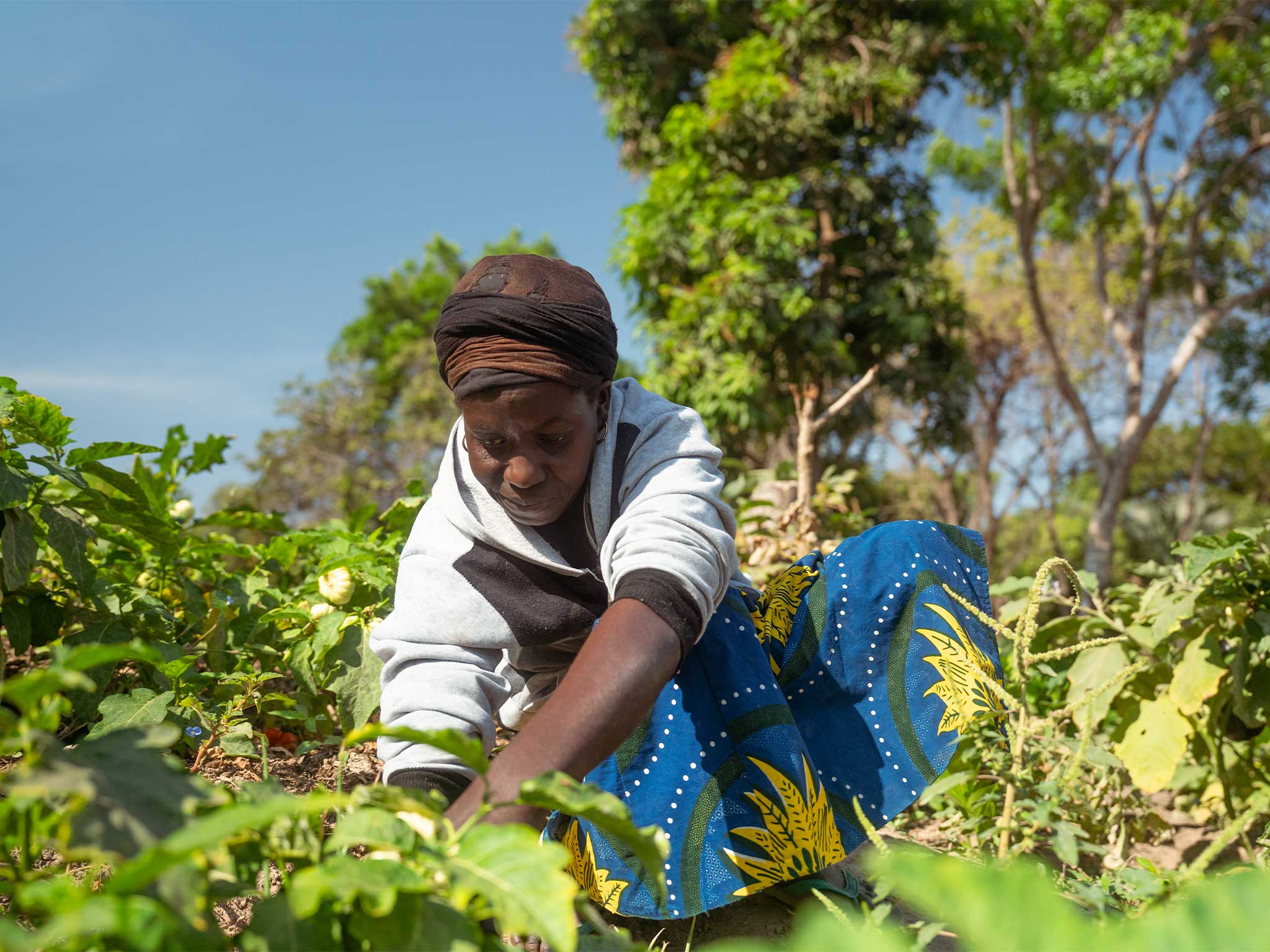
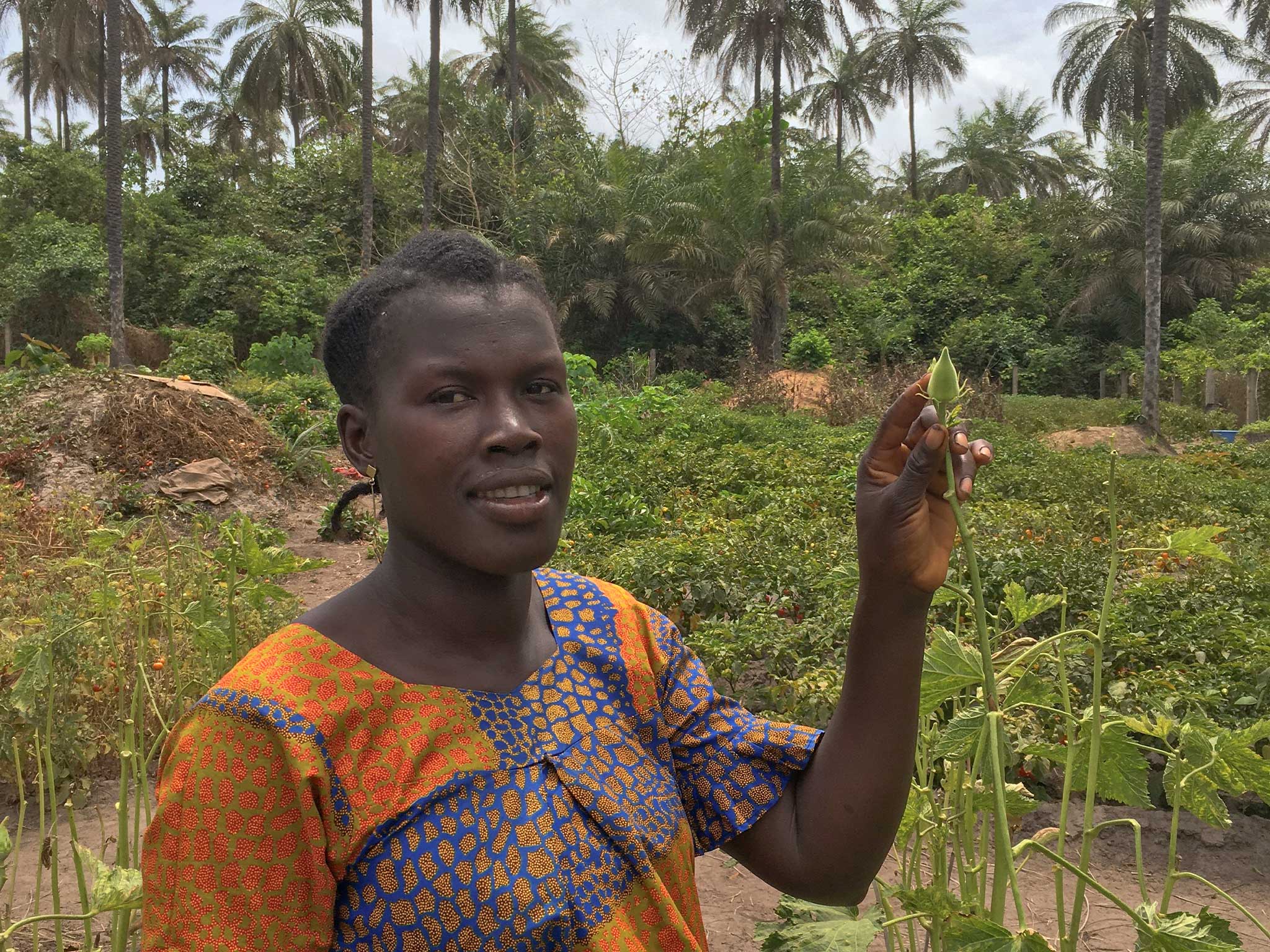
Coumba Barr harvests bitter eggplant in her garden in Senegal. Women farmers play a central role in producing food, sharing knowledge, and sustaining their communities.
Credit: Cherif Khoury
Agroecology is more than a set of farming practices.
It’s an approach to agriculture that works with nature. It’s communities growing healthy food while stewarding the environment. It’s women accessing land and resources and shaping their local food systems. It’s a climate solution and a movement.
In your Bulletin, we explore agroecology through a conversation with a gender expert from Burkina Faso. We look at how stronger local markets support women’s economic autonomy. And our counterparts reflect on how exchanging local knowledge strengthens solidarity and community-led solutions across West Africa.
A gift today strengthens food sovereignty, advances women’s leadership and builds lasting, locally led solutions.
In your September Bulletin, we explore how agroecology is more than a set of farming practices.
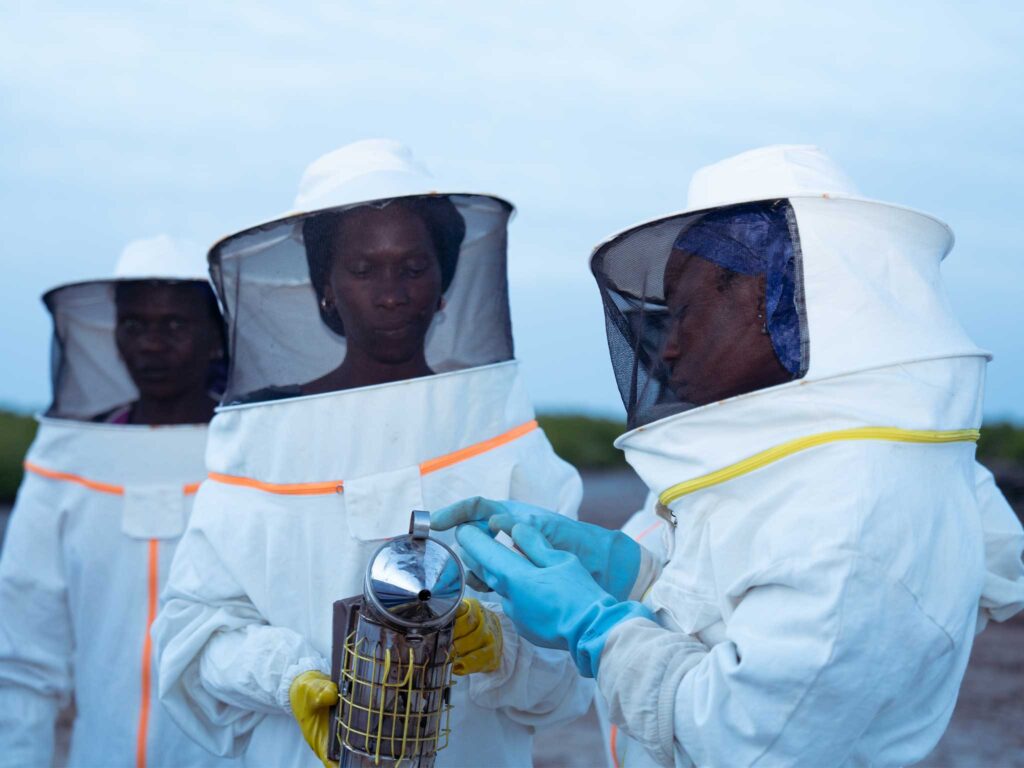
Over four days in spring 2026, women farmers from Guinea-Bissau joined their peers in Senegal to learn from each other.
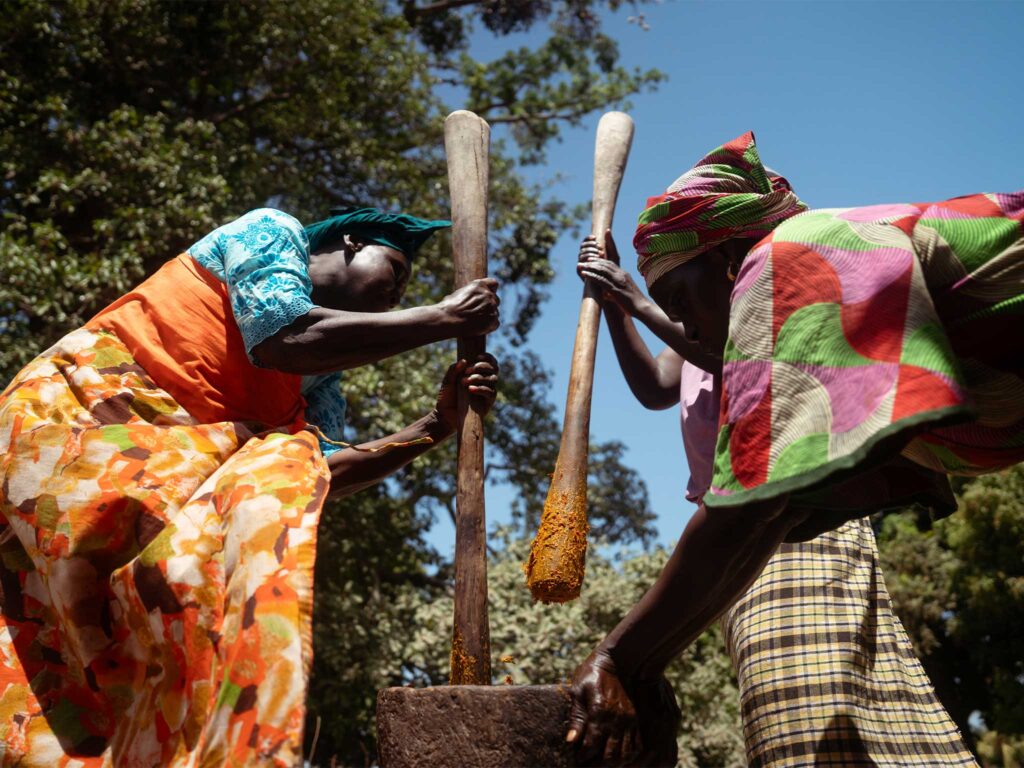
Across West Africa, women farmers are learning how to ensure their effort to nourish communities is recognized—and valued.
We recently spoke to Mariamé Ouattara, who has worked across West Africa to advance gender equality and women farmers’ rights for most of her life.
Inter Pares acknowledges Global Affairs Canada for its financial support.
Above: Benvinda Có is part of the Boataï community, in which women use holistic and sustainable agricultural practices to develop community gardens and diversify their income sources. Photo: Eric Chaurette/Inter Pares